 December
17
December
17
Kalgoorlie and the Goldfields
December 14 to 17
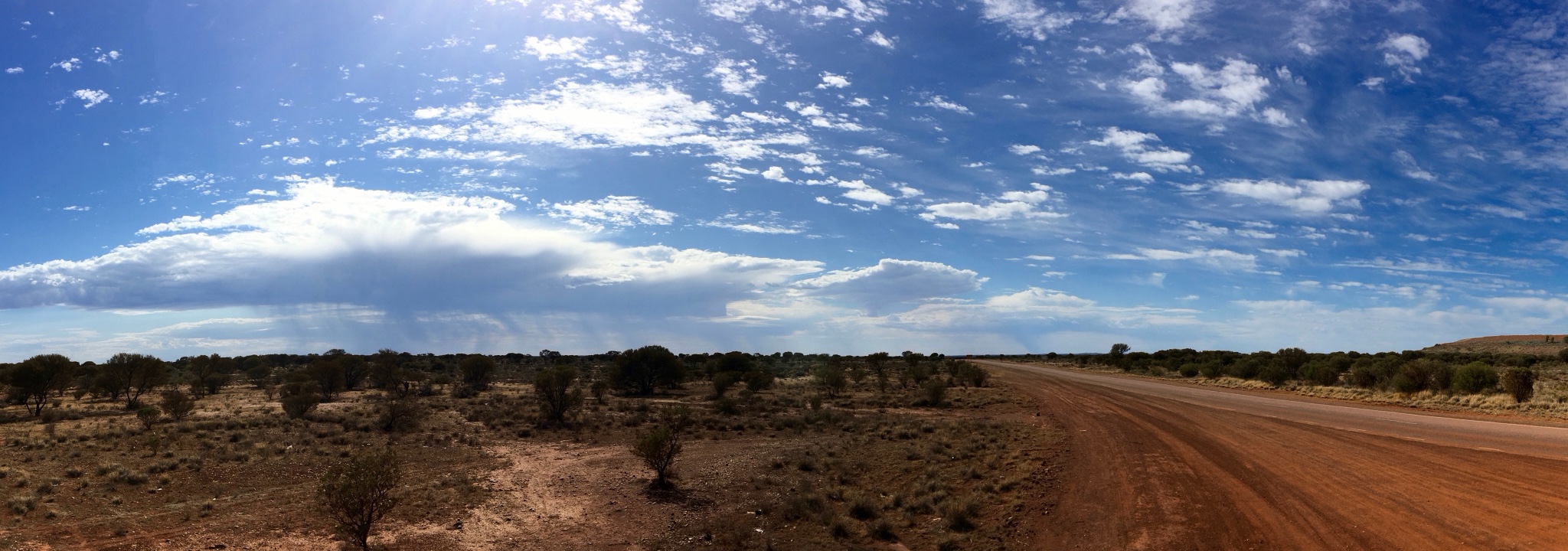
Desert rain... amazing to see!
From the southern beaches we have headed north to the Goldfields and based ourselves in the town of Kalgoorlie-Boulder. It has been a really interesting couple of days wandering around the outback discovering the highs and lows of gold mining in Australia.
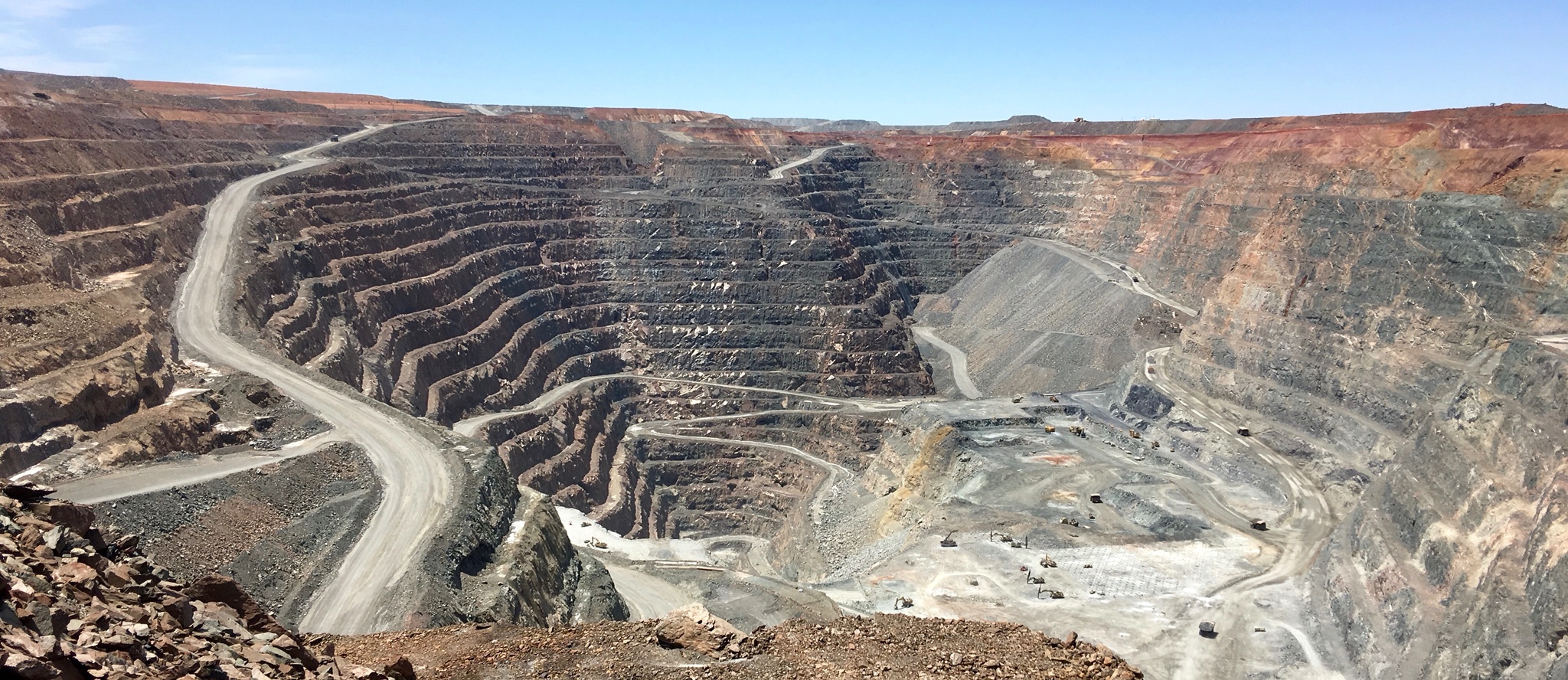
The KCGM Superpit, Kalgoorlie
The wealth and population shifts are incredible. In the 1890-1900's gold rush the population of the area reached around 200,000 people and many of the opulent buildings from that era still dominate the streets, adding lots of character and ambiance. The population and wealth are considerably less now, but there is still a feel that “Kal” is hanging onto to its wild west and colourful history!
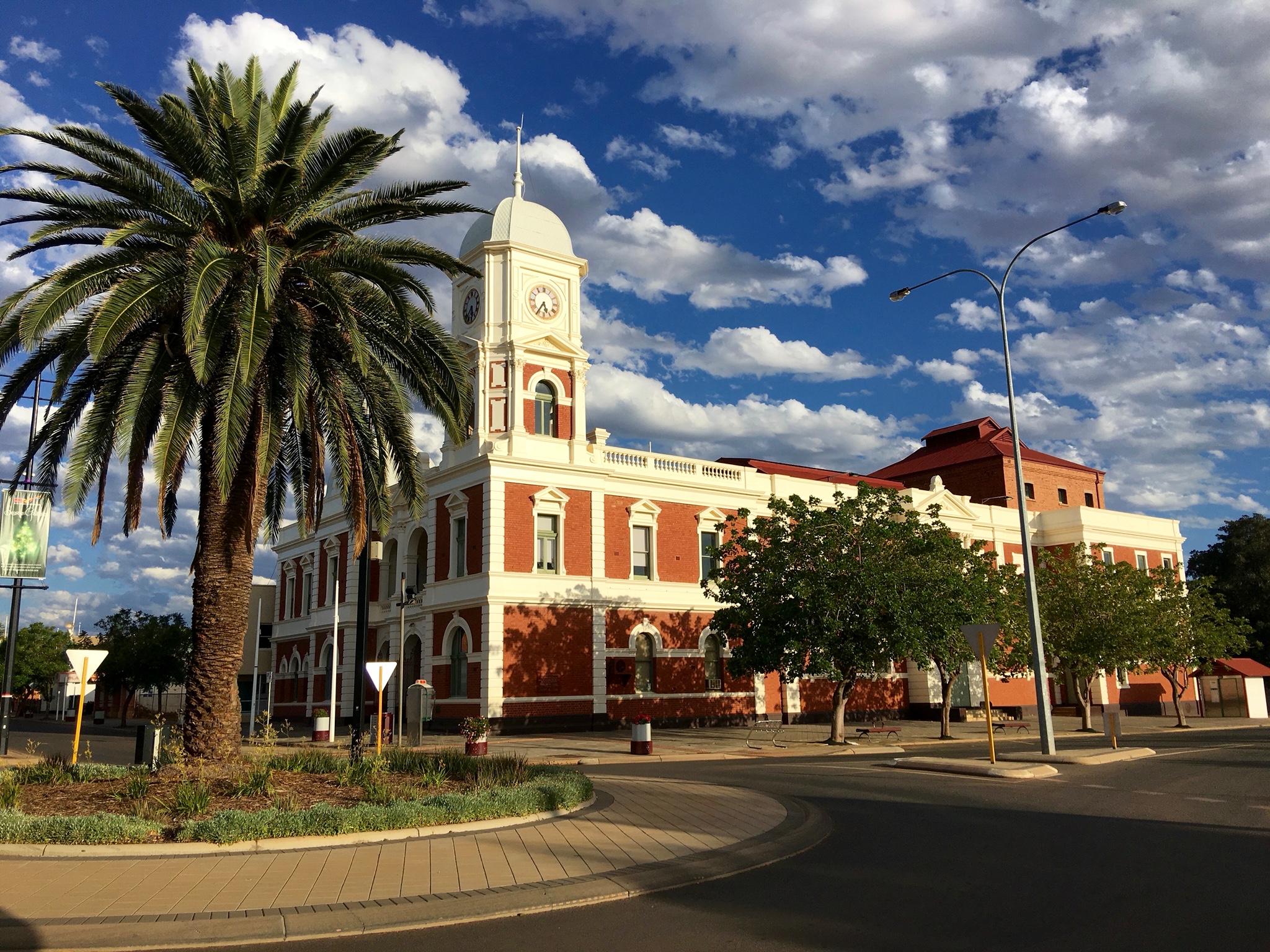
Amazing grand buildings from the turn of the century
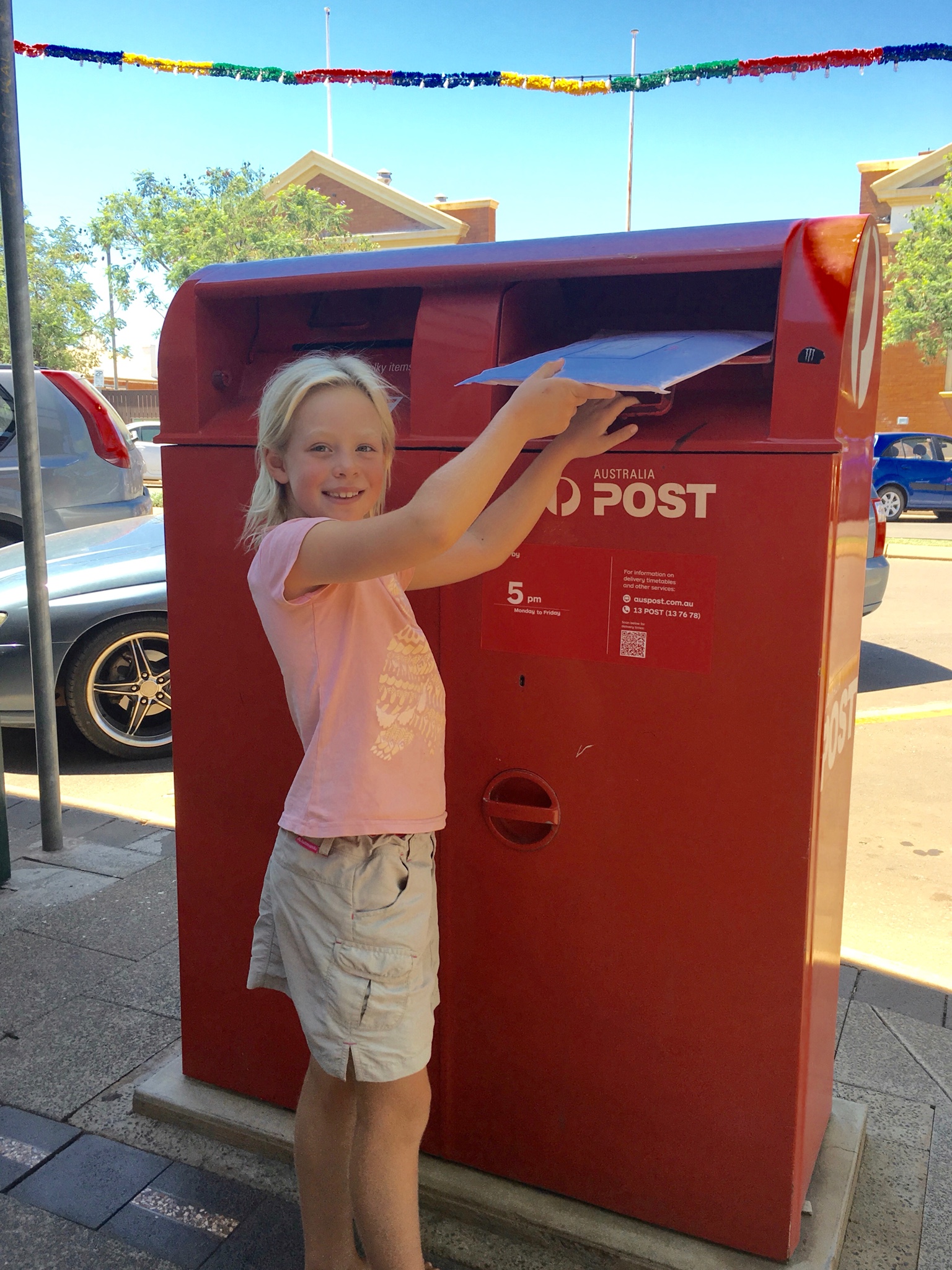
School holidays... the last distance education package gets returned! Celebration!
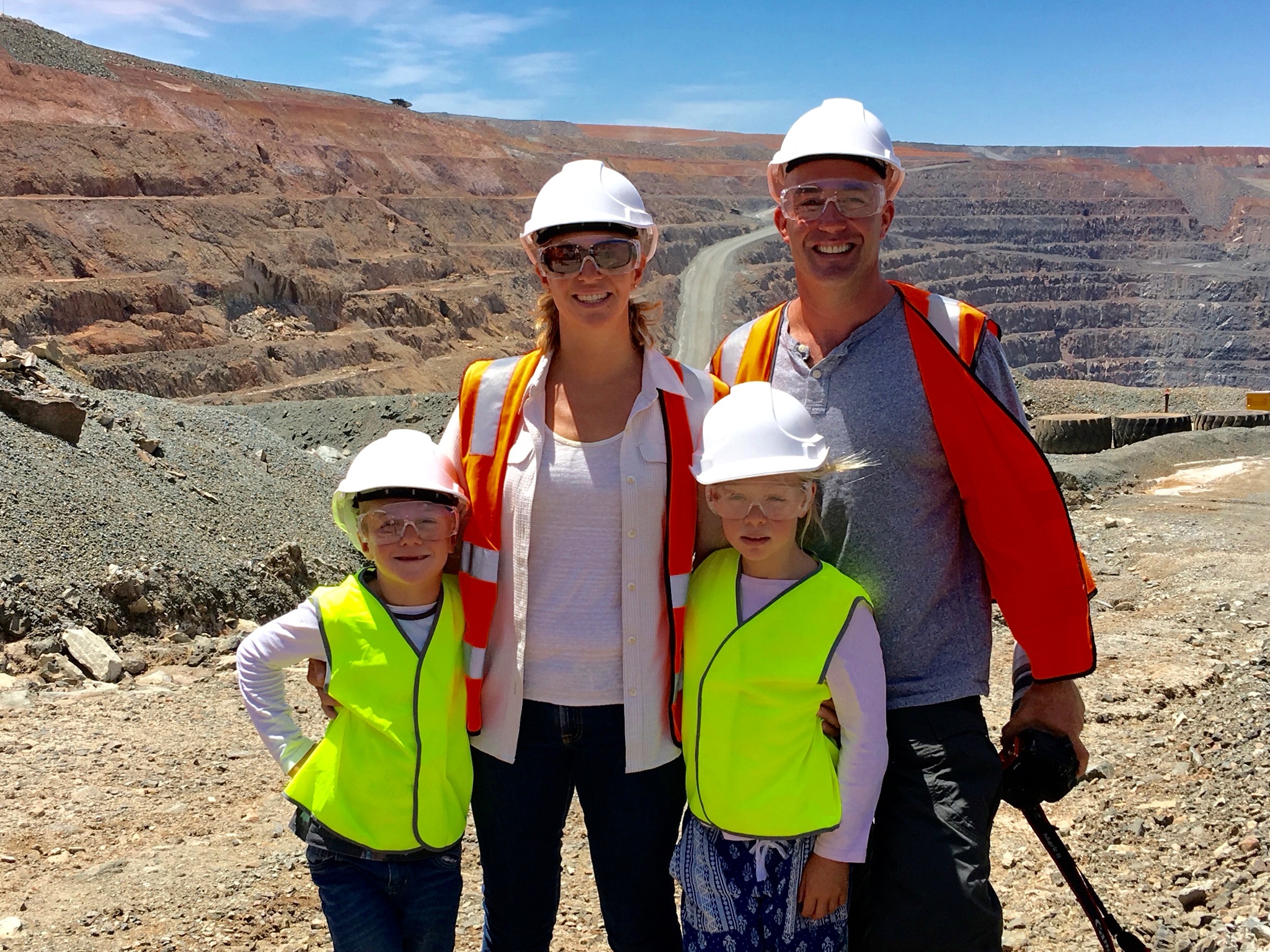
The eastern side of the town is dominated by the 'Golden Mile' and is one of the richest deposits of gold in the world. The 'mile' is actually an area 5×2 kilometres and 1.2 kilometres deep with gold ore deposited in over 1000 fault lines (called lodes) in the granite base rock. It is littered with current and abandoned mine shafts but is dominated by the KCGM Superpit, an open cut mine 3.5 kilometres long, 1.5 kilometres wide and 630 metres deep that is large enough to be seen from space.
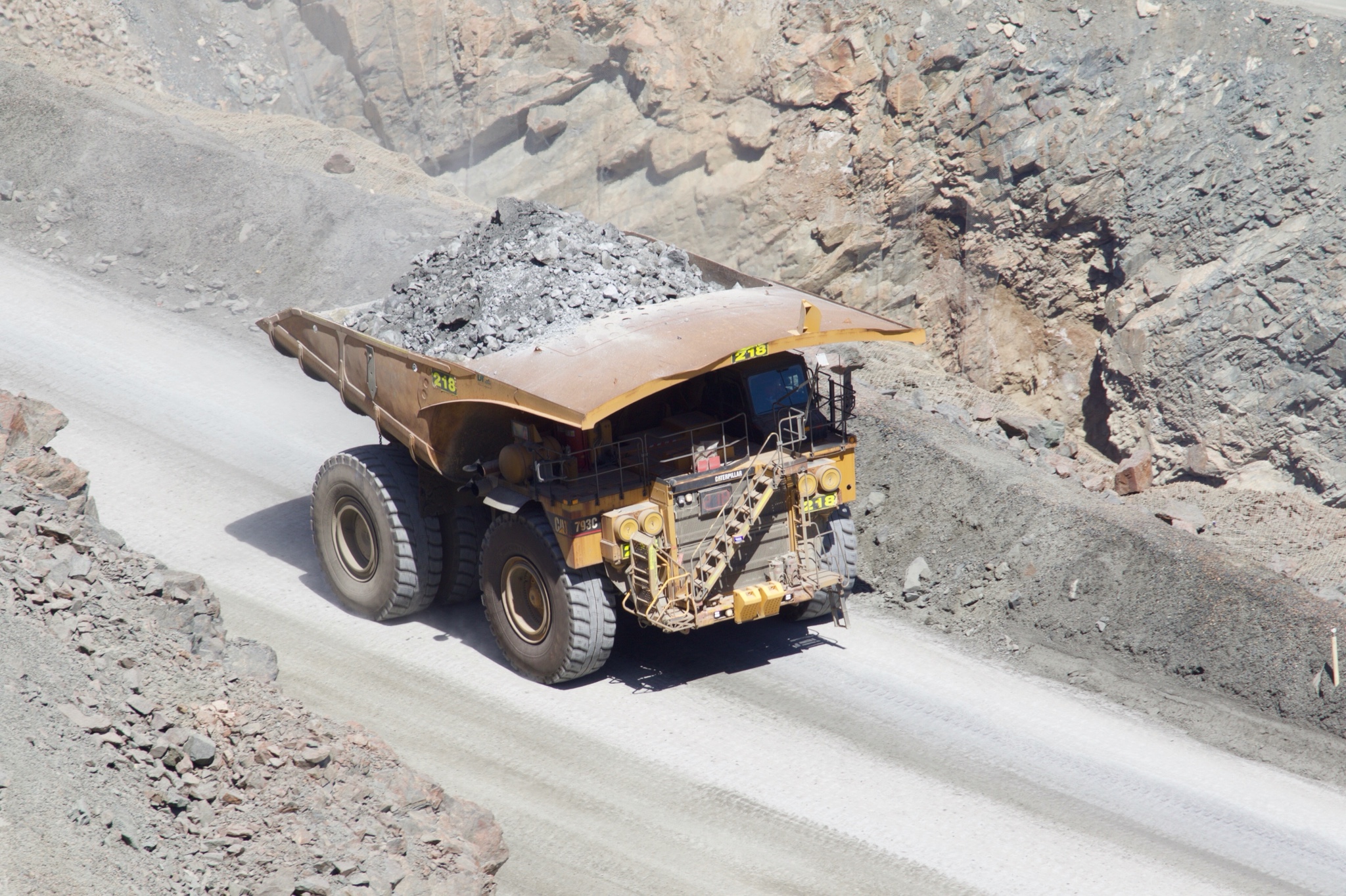
The massive Caterpillar dump truck labours out of the mine at 10kph with its 260t payload
We spent a morning touring the mine and revelling in the enormity of everything….the massive hole, the trucks, the diggers, the money! Each of the massive Caterpillar trucks coming out of the mine carries 260 tonnes of rock. The rock from seven of these is crushed and processed but only yields a lump of gold the size of a golf ball. The mine operates 24/7 365 days a year, employs a quarter of the population of the area and produces 28 tonnes of gold a year.
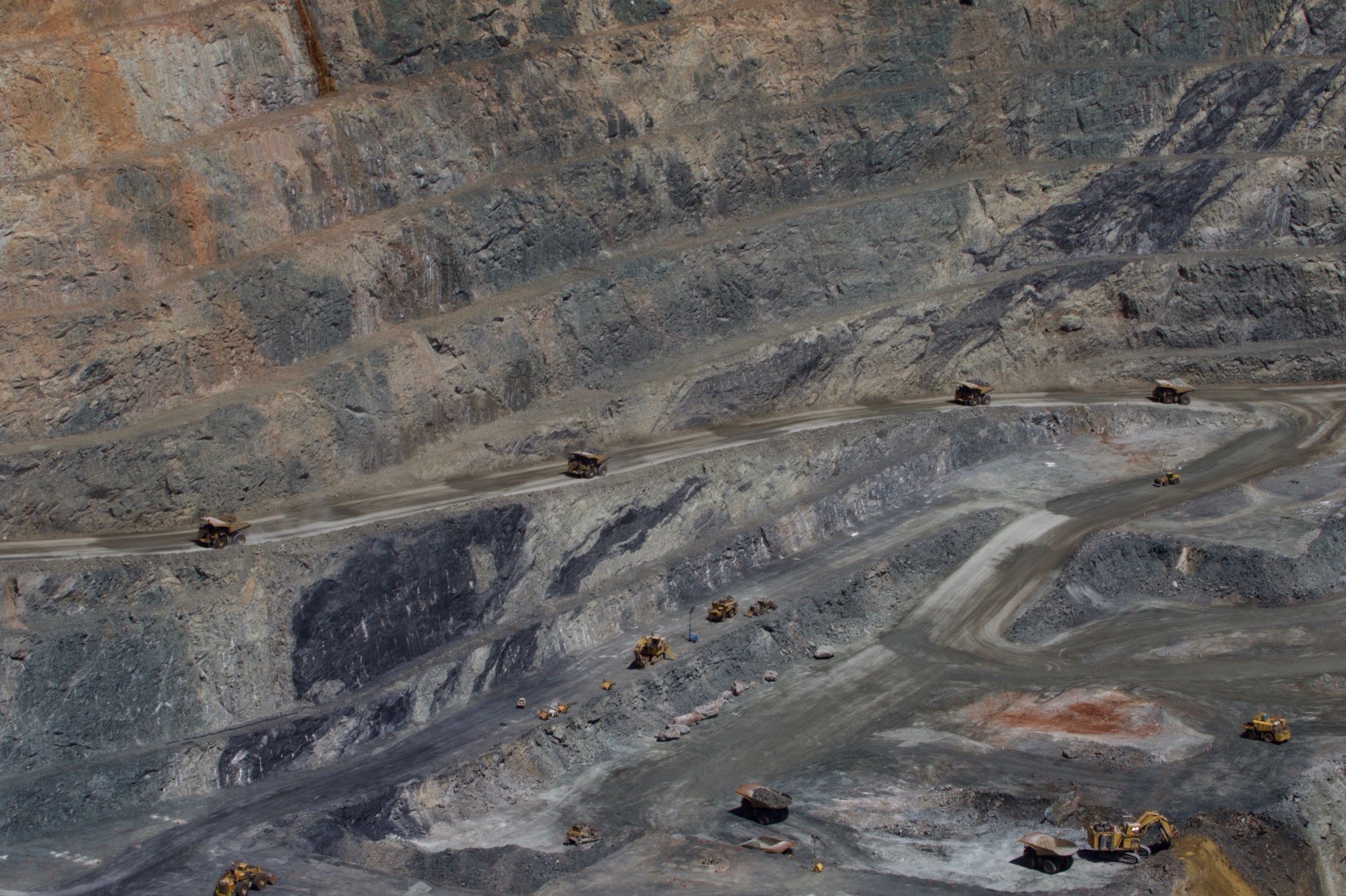
Check out the size of the trucks!
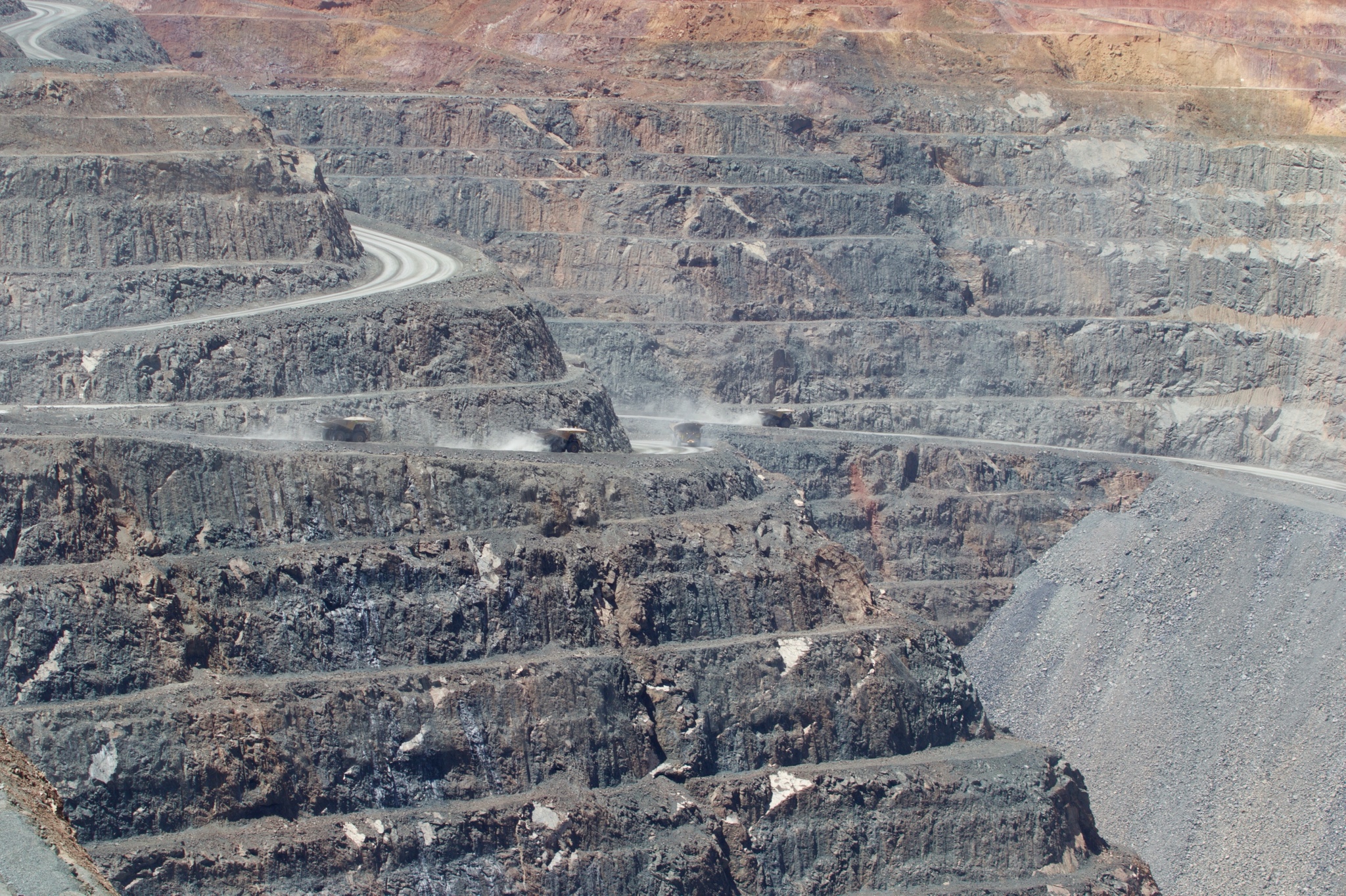
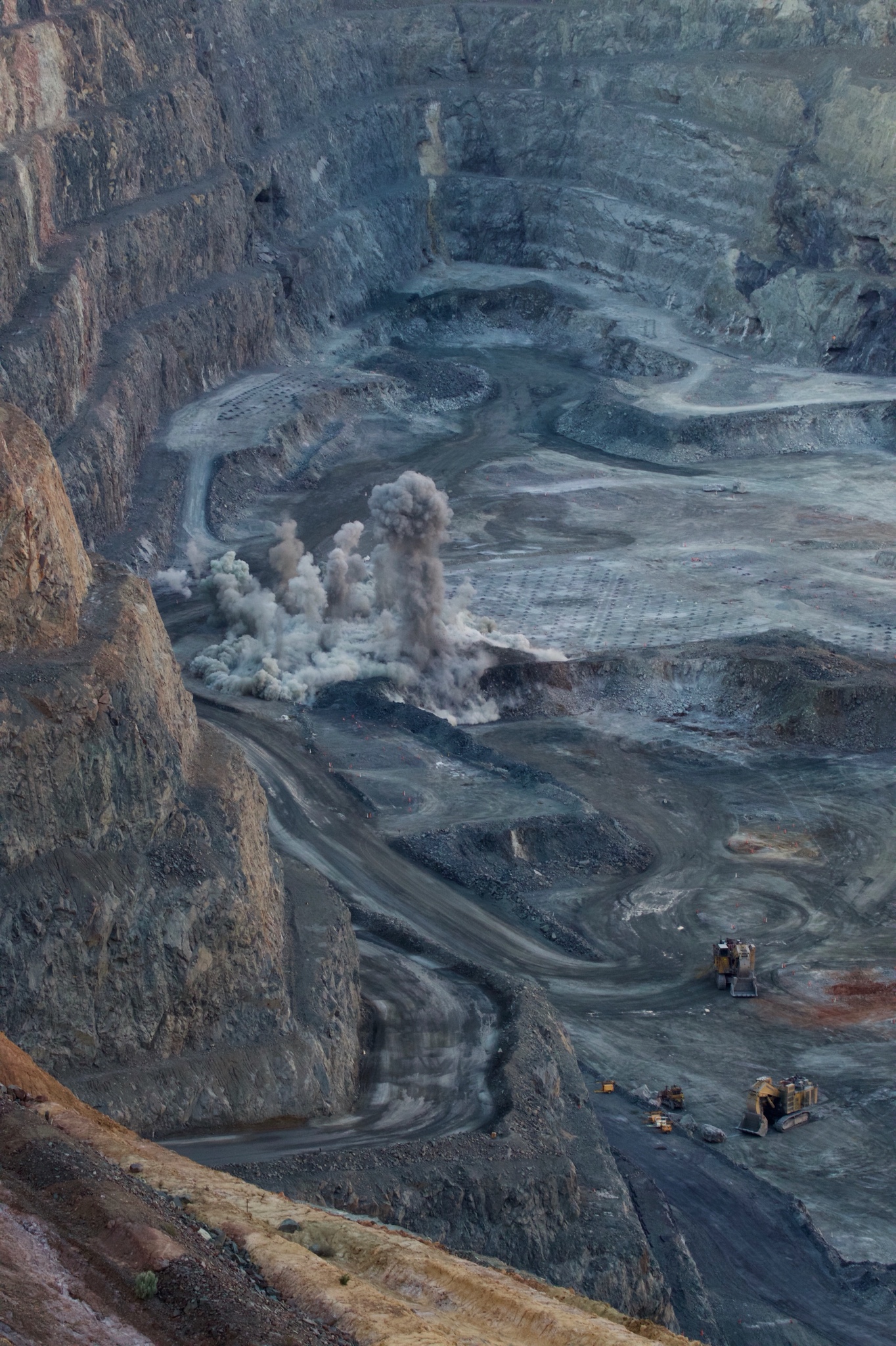
Blasting
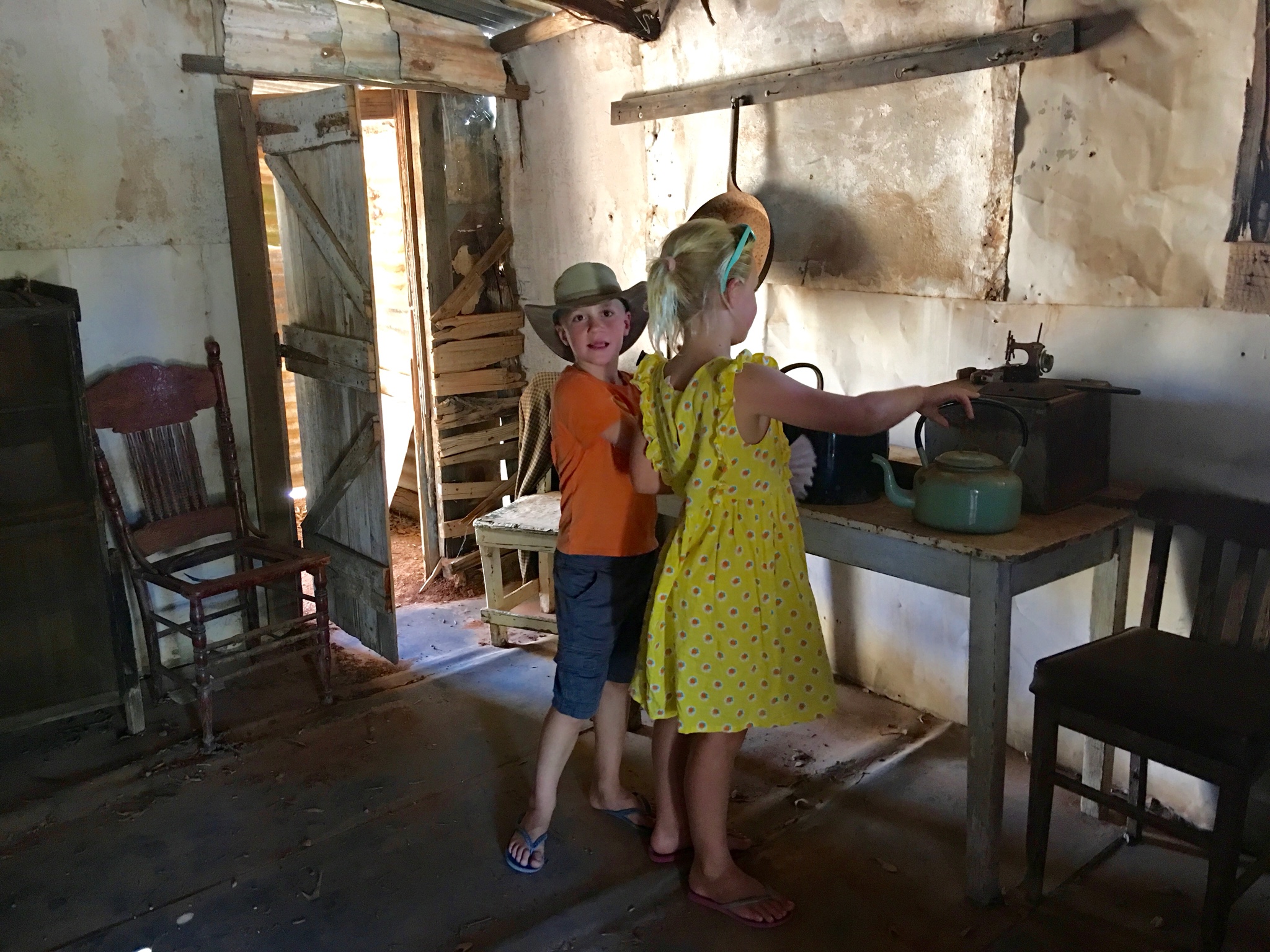
Playing house in an old miners shack
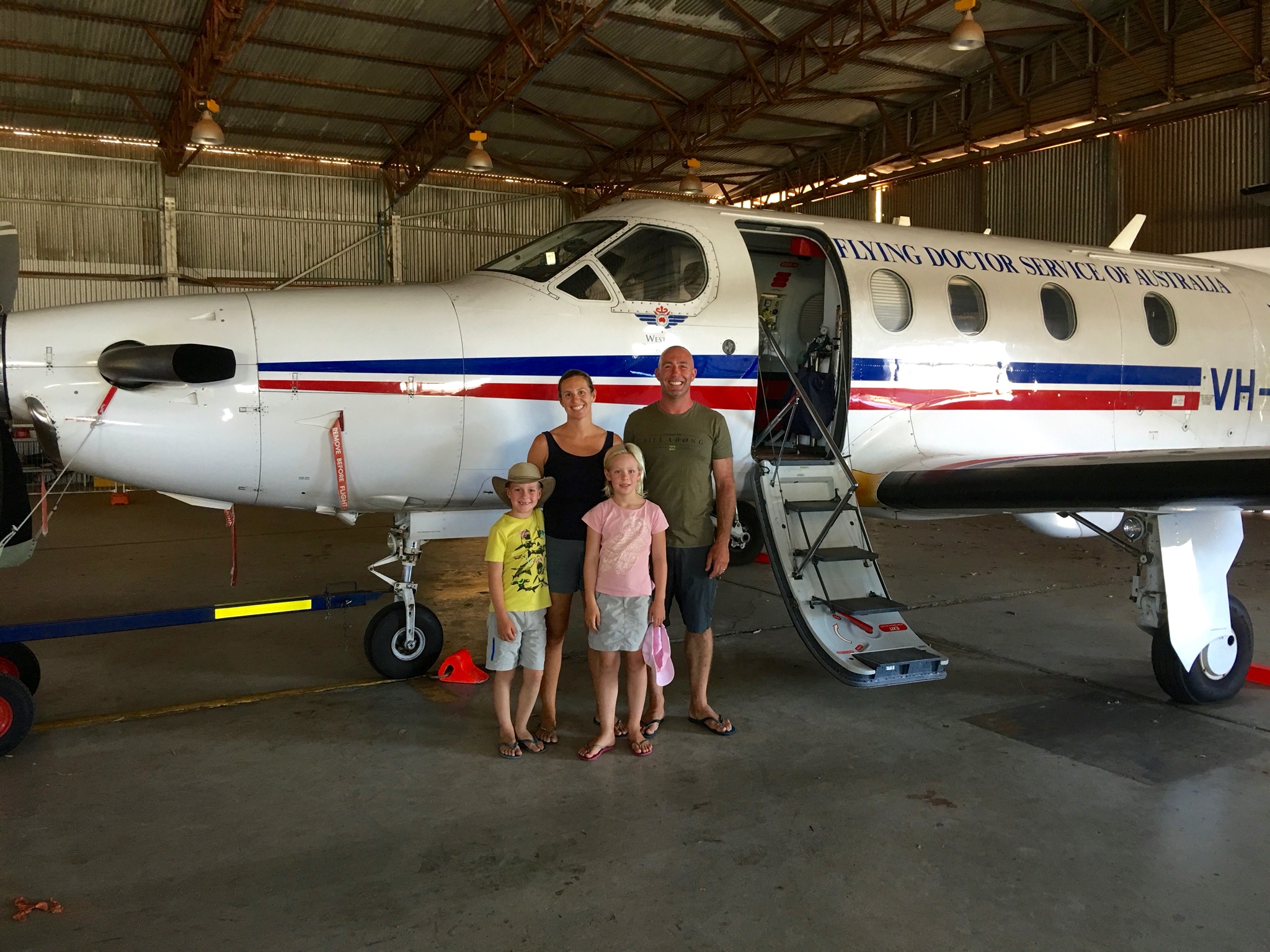
It has been reassuring carrying the distinctive sticker with the contact details for the Royal Flying Doctors Service (RFDS) during our trip. Kalgoorlie presented an opportunity to tour one of the 5 RFDS bases that service 2,500,000 square kilometres of WA. We all know them as the emergency and retrival service for the bush, but they are so much more. They are the local doctors travelling to vast areas of the continent by plane, they run local health clinics (18,583 last year in WA) and are the reassuring voice on the other end of the phone or radio (41,200 consultations last year) prescribing from one of thousands of prepackaged medicine boxes that they supply to the remotest areas.
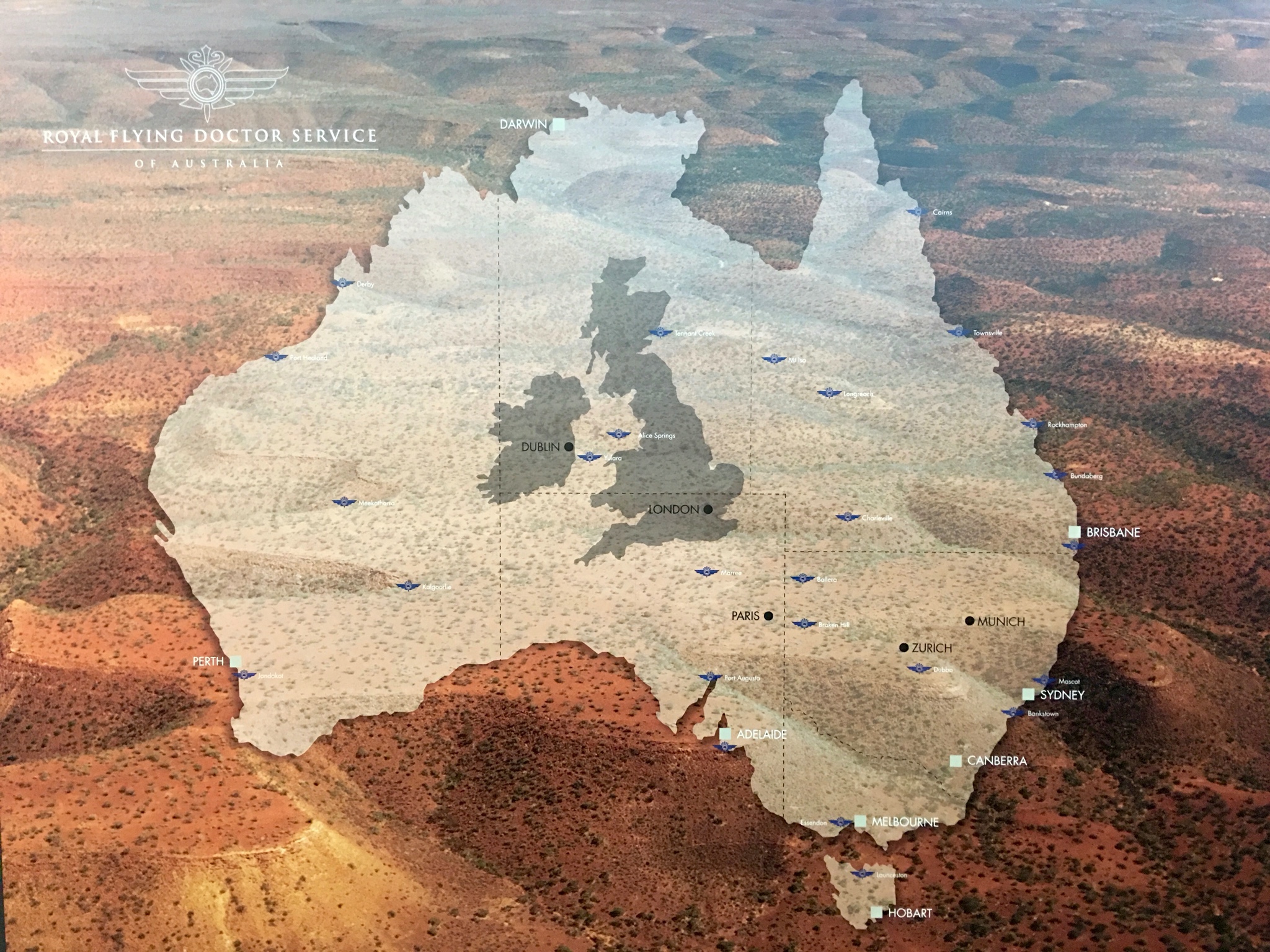
RFDS Service area compared to Europe
They fly out anywhere at the drop of a hat to help someone in trouble, a fact that makes them Australia's fourth largest airline, not that you would choose to use it. In WA they have 15 aircraft that last year flew 9,132 patients (15 per day), made 18,823 landings and flew just over 8 million kilometres. This work load is enormous and increasing annually, especially as outback tourism and nomading increases. Amazingly, for such an essential service only half their funding comes from government, the rest is purely from donations, 20-30% from the public and the rest from the mining companies.
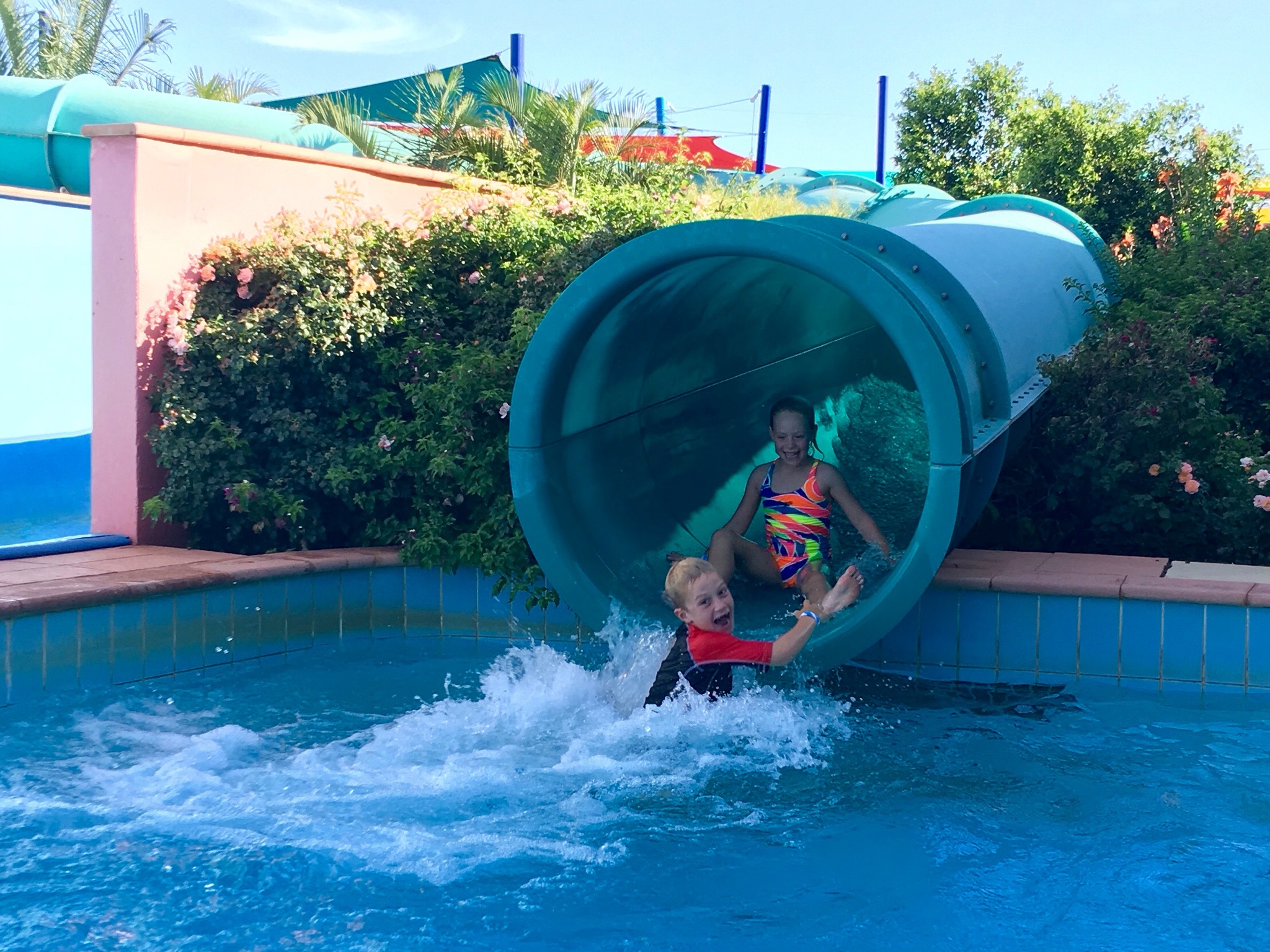
Be careful what you wish for was a common thought as the afternoon and evening temperatures sat between 38 and 42 degrees! We spent our afternoons in parks or the 'Kalgoorlie Oasis' with its waterslide for the kids and lap pool for us. Fortunately only one of the nights stayed hot, mostly it dropped to around 20 degrees.
The Goldfields loop is a driving trail that takes you a couple of hundred kilometres further north through a number of deceased mining towns. It was an incredible drive through surprisingly colourful outback desert with moody skies and temperatures of 43 degrees. The 'towns' are weird. They are either completely deserted, or looking like they are about to be deserted, but have grand buildings in various stages of decay or restoration as reminders of the past prosperity. They seem like a sage reminder of how fickle an investment in mining can be!

Abandoned mining town of Gwalia
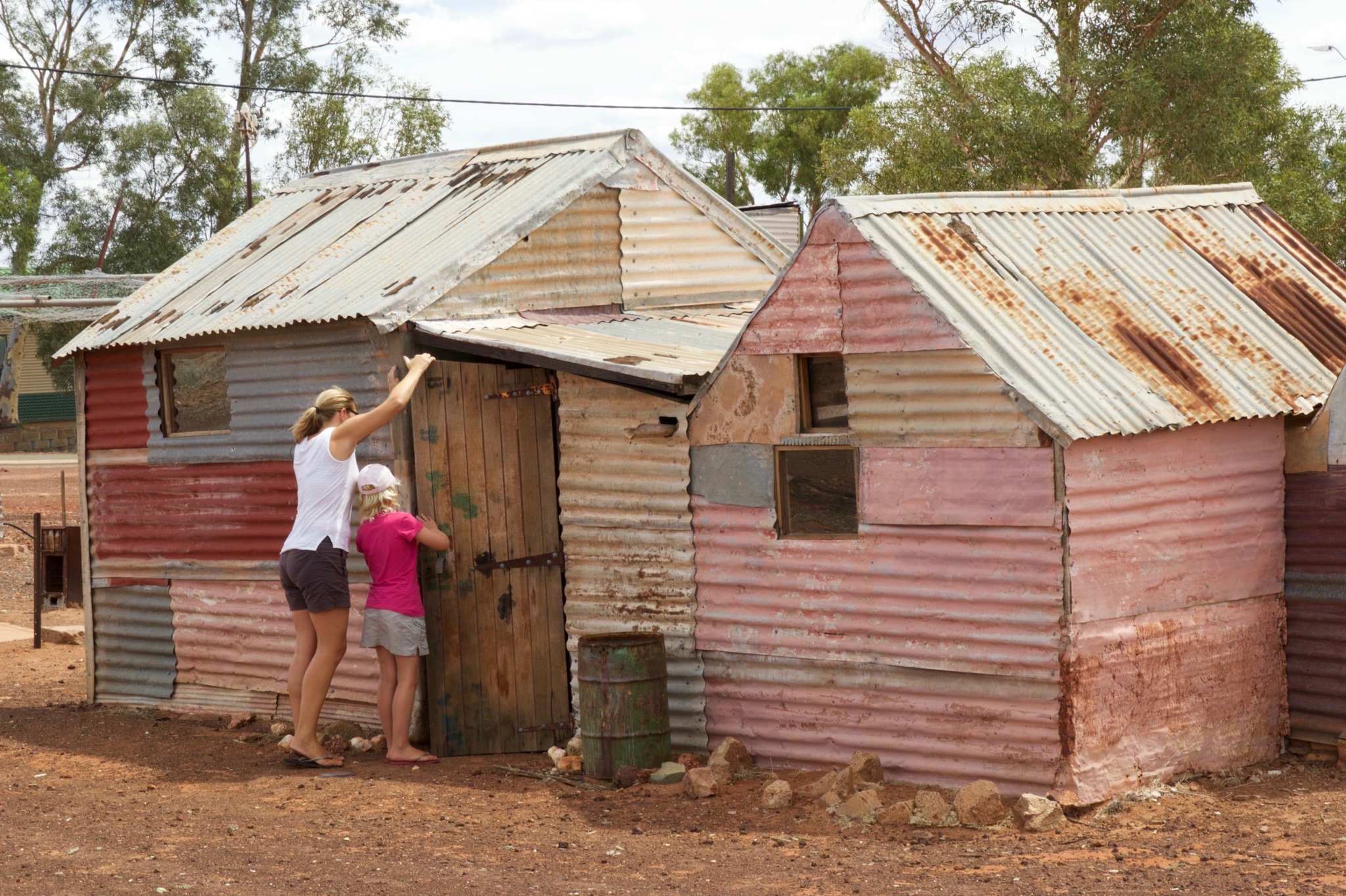
Pink house
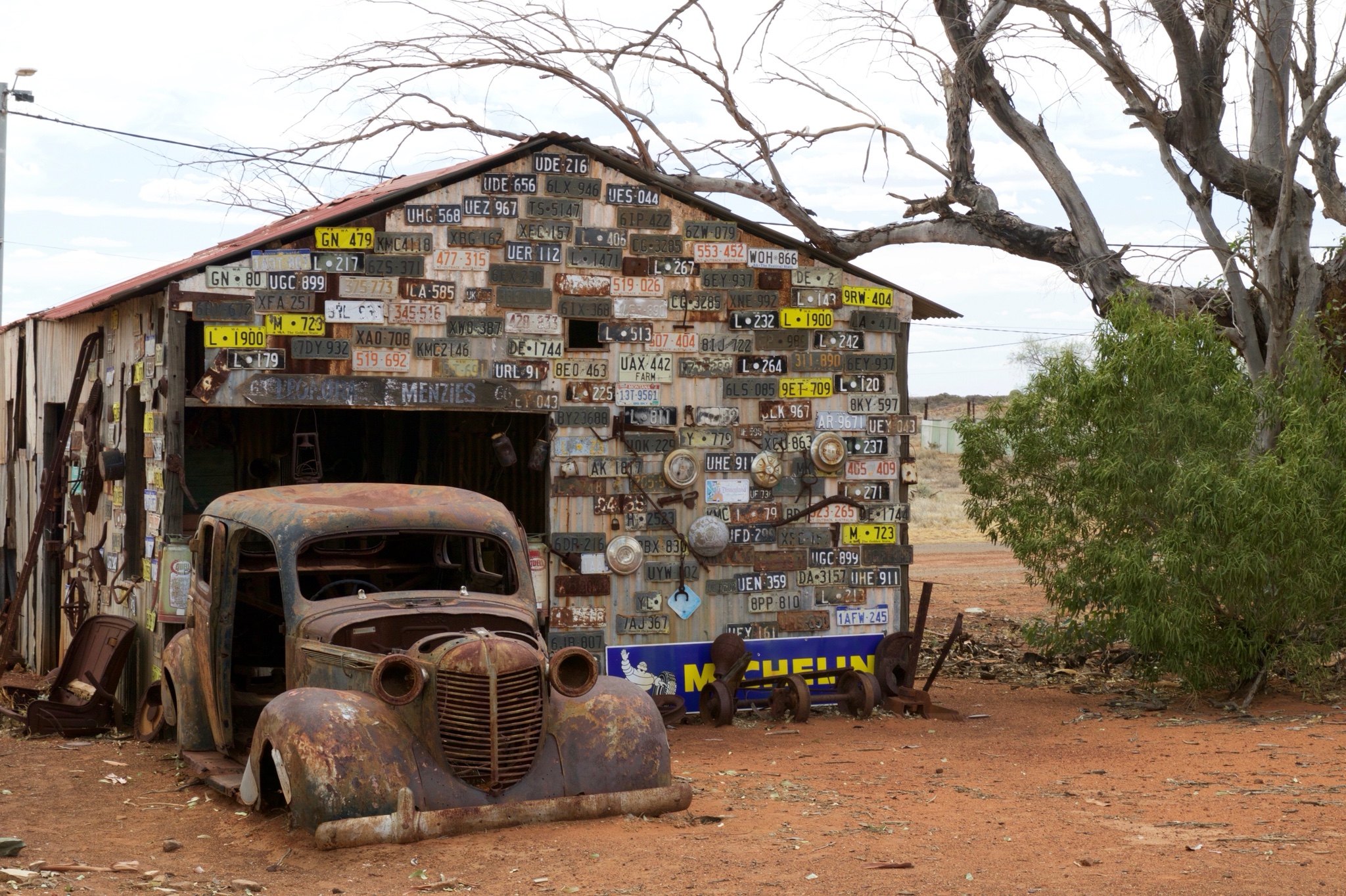
The local garage, Gwalia
We spent a night on the Goldfields loop at Leonora in a miners FIFO (fly in, fly out) demountable. The stop allowed us to explore Gwalia, an abandoned miners shanty town. It was like a living picture of the day everyone left in 1963 after an accident suddenly closed the mine. The housing was put together with scraps of corrugated steel, timber and hessian, really basic but much more homely than our demountable!
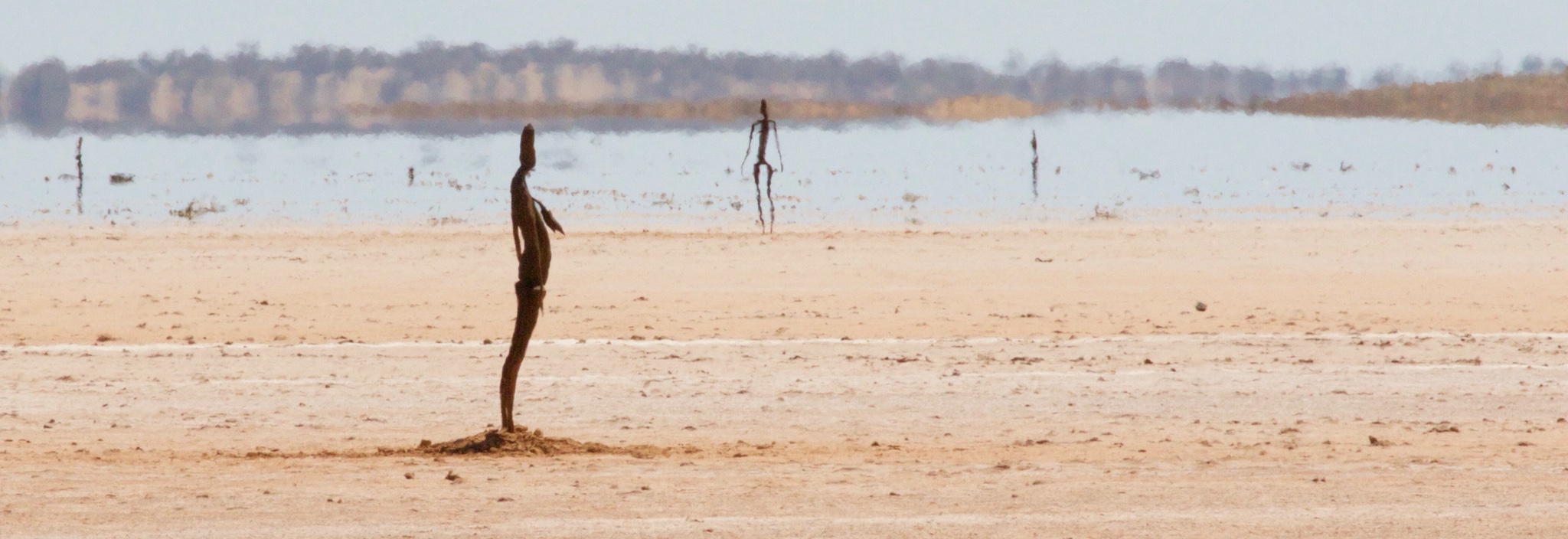
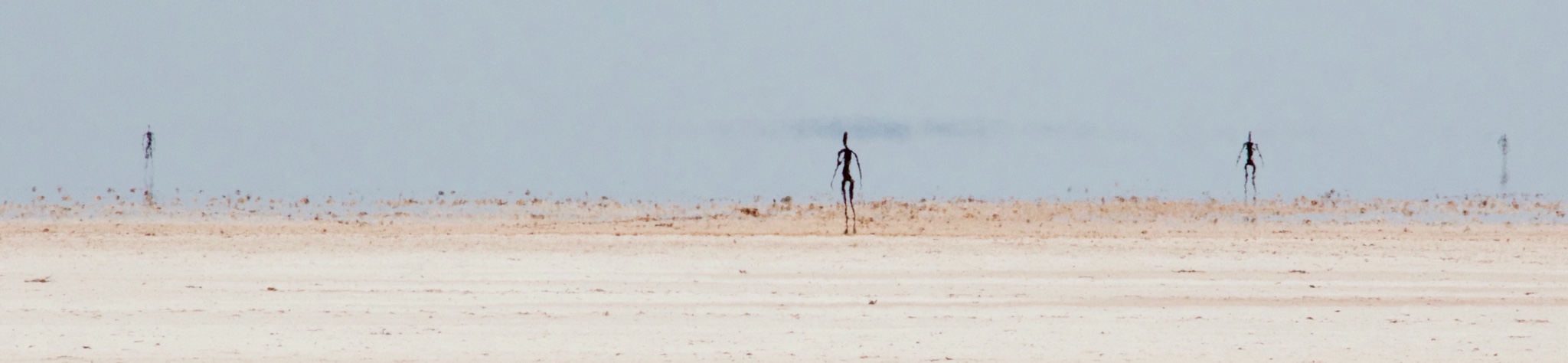
Antony Gormley's Inside Australia instillation at Lake Ballard was really really stunning. It consists of 51 stylised metal sculptures of the local people of Menzies and is spread over 10 square kilometres of an ephemeral dry salt lake. The natural beauty of the lake and its surrounds contrasts with the striking statues shimmering in the heat haze. It was commissioned in 2003 to commemorate the 50th anniversary of the Perth International Arts Festival and now remains in place as a local attraction.
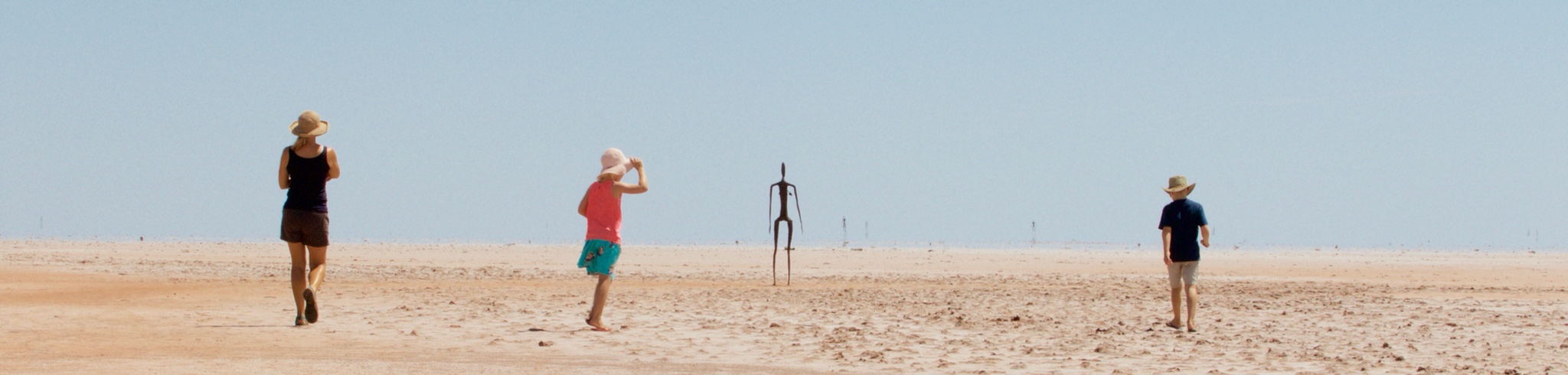
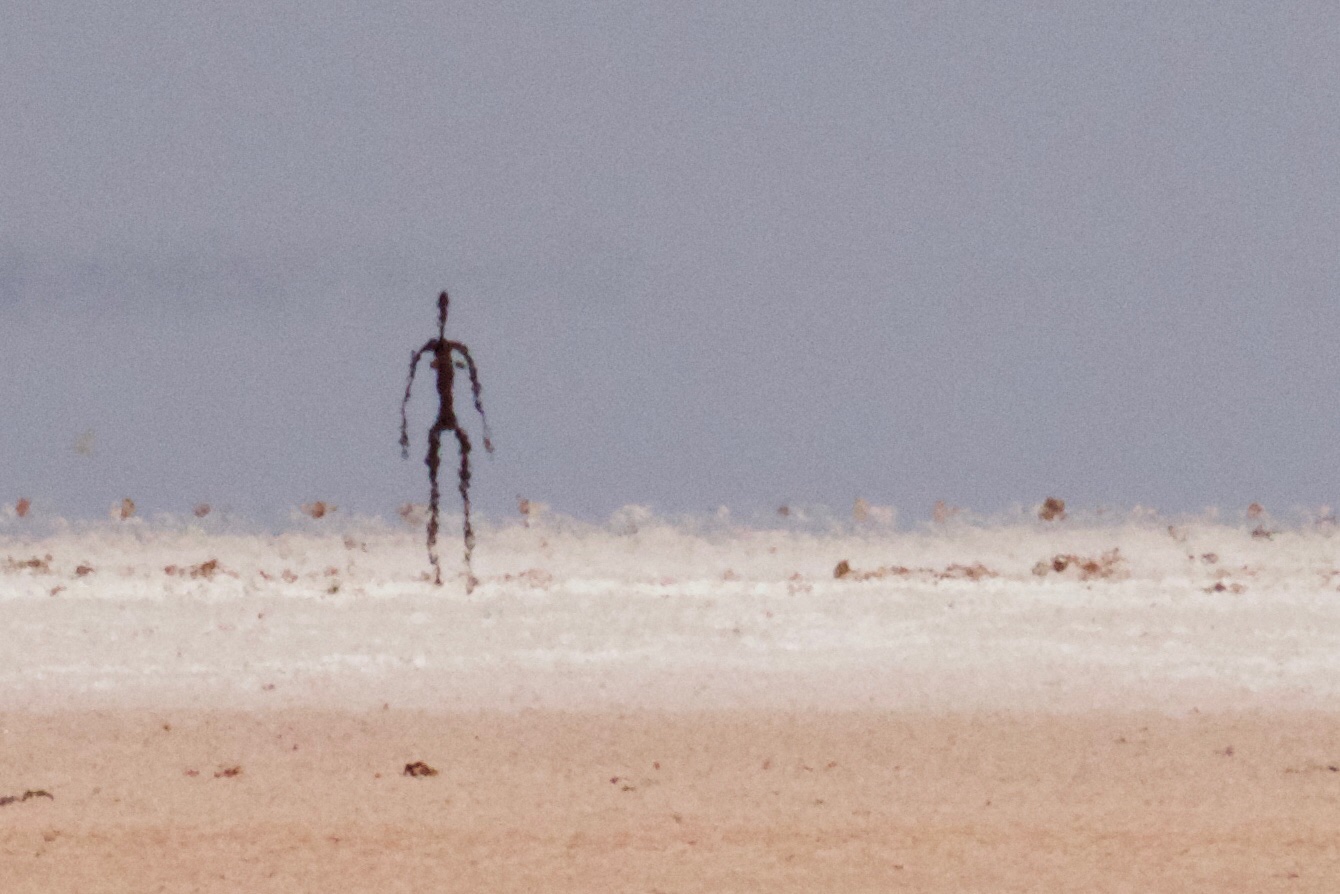
Shimmering in the heat
Next we head east again, across the Nullarbor Plain.
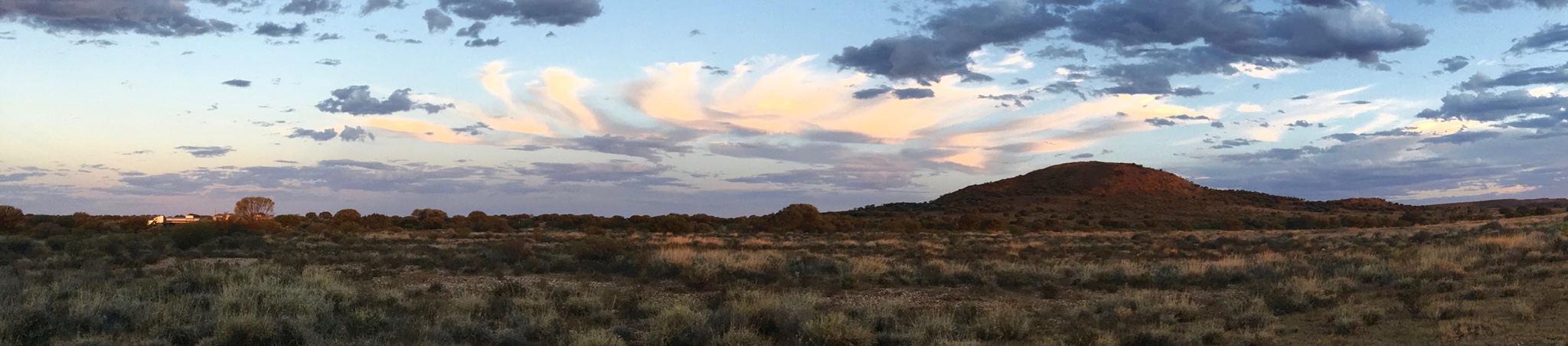
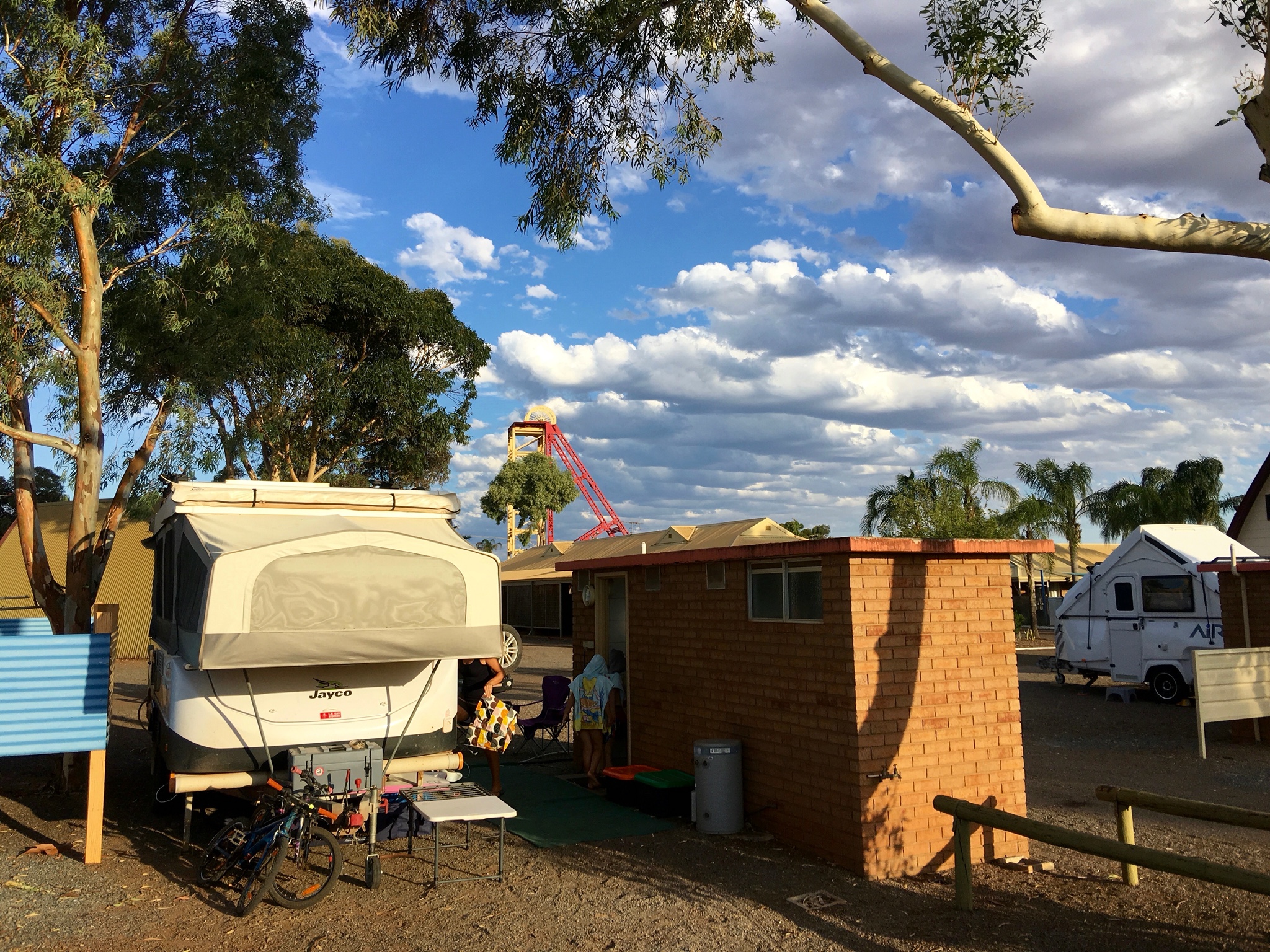
Luxury campsite... Ensuite toilet!
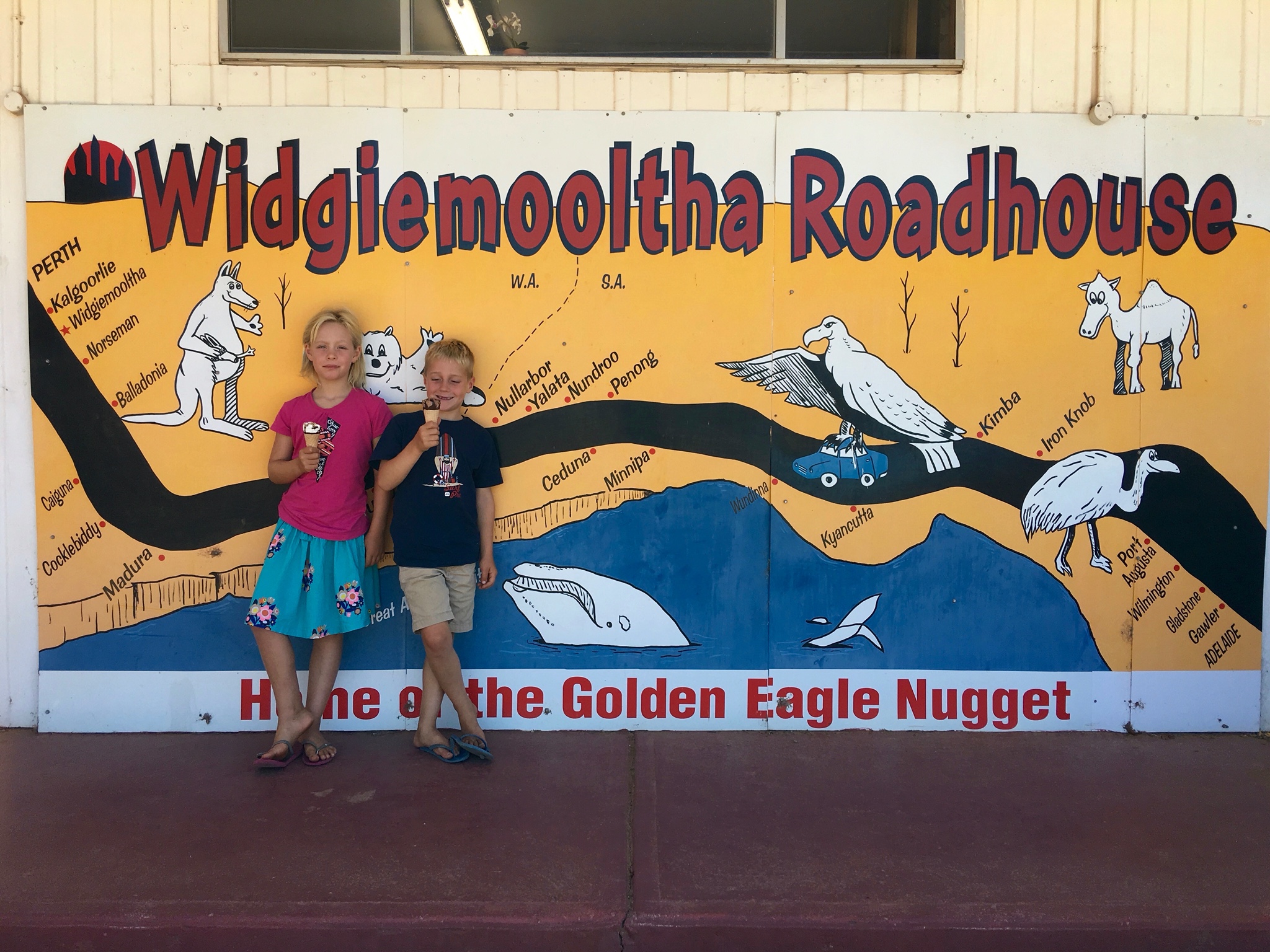
The Golden Eagle Nugget was found here in 1931, it weighed 32.2kg! Now it is a deserted town, with a road stop for ice creams!
 Posted with Blogsy


 Chasefloow Around Oz
Fascinating once again – moving descriptive story. Xxx Dad
LikeLike
Now you really are being pampered-en suite toilet camping Granny Helen
LikeLike
So amazing for you all……. Gormely is so amazing…….. Hugs E
LikeLike
Hi Alex
It looks like you are having lots of fun, but it looks hot! Have you found any gold yet? I hope you are still having a good time.
See you back at school next month.
William
LikeLike