 October
03
October
03
Tom Price, Karratha and Natural resources
September 29 – October 3
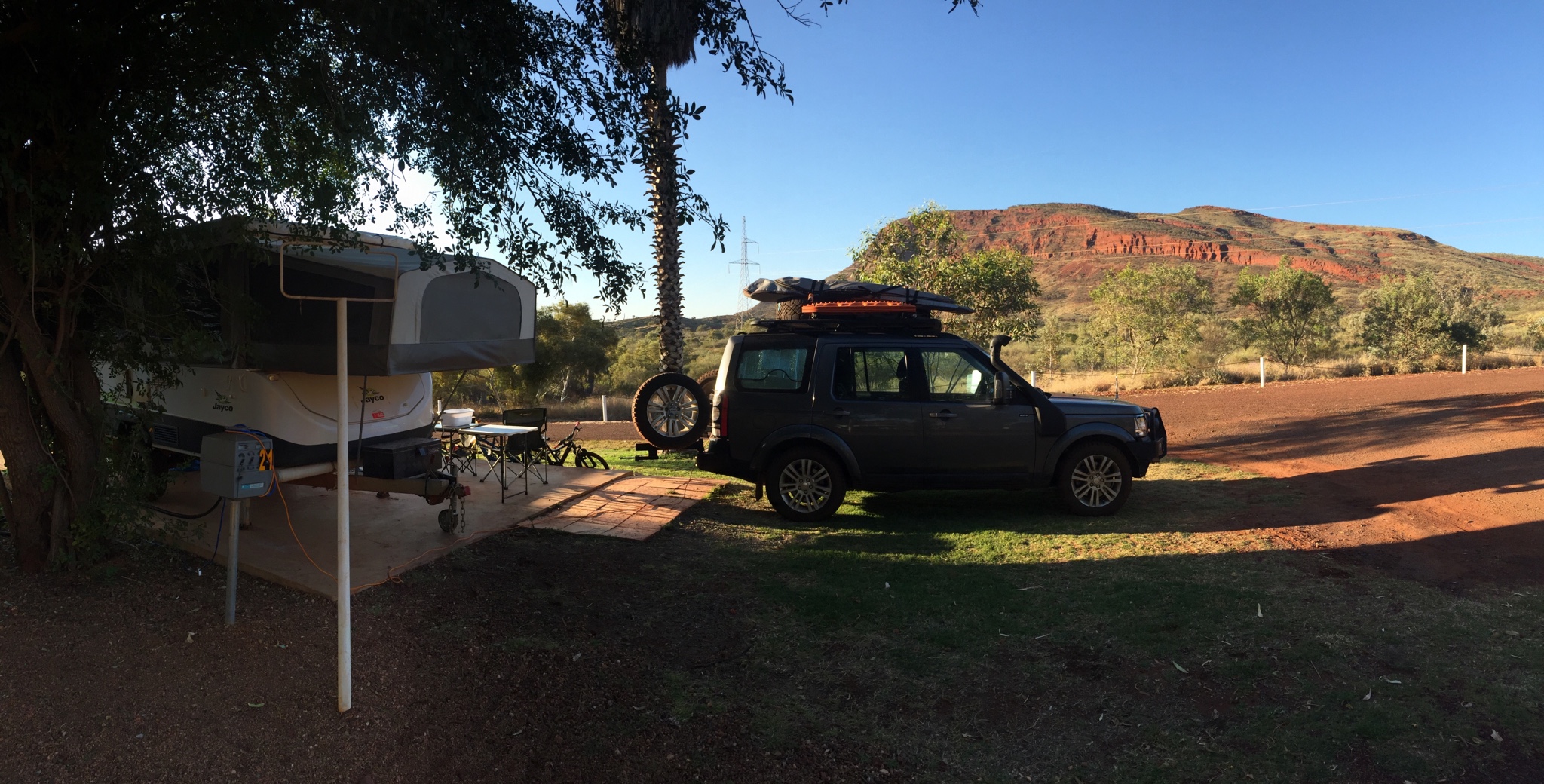
Tom Price campsite at the foot of Mount Nameless
From the natural wonders of Karijini we spent a while in the mining centres of Tom Price and Karratha. The sheer scale and ingenuity of the effort that goes into mining the resources is incredible, and might just dominated this blog! But first the usual stuff…

Lazy afternoons - wine, nails and a good gossip mag!
We spent two nights at Tom Price at an incredible camp site under the foot of Mount Nameless. The town was only established in 1965 and is named after an American gentleman that recognised the potential of the Pilbara as a mining centre and lobbied the government for approval to mine the area. The guide of our mine tour commented that “it is a drinking town with a mining problem!”, which seemed a little unfair. For a small town it has decent facilities (pools, schools, sports grounds, hospital, etc) and with a population of only 5000 it has 900 kids. We were also shown the only gold mine in the town… the Shell garage!
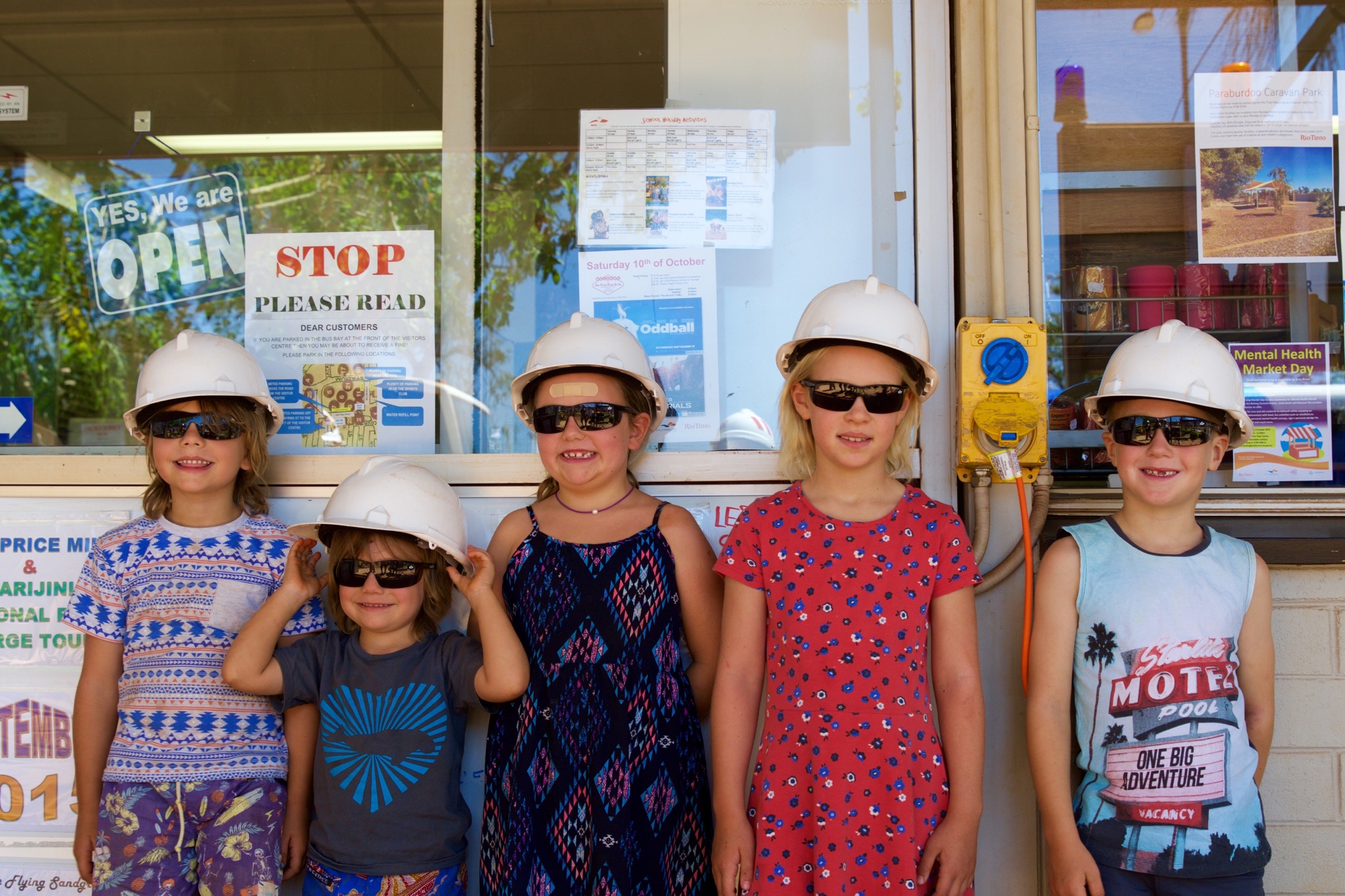
Safety first
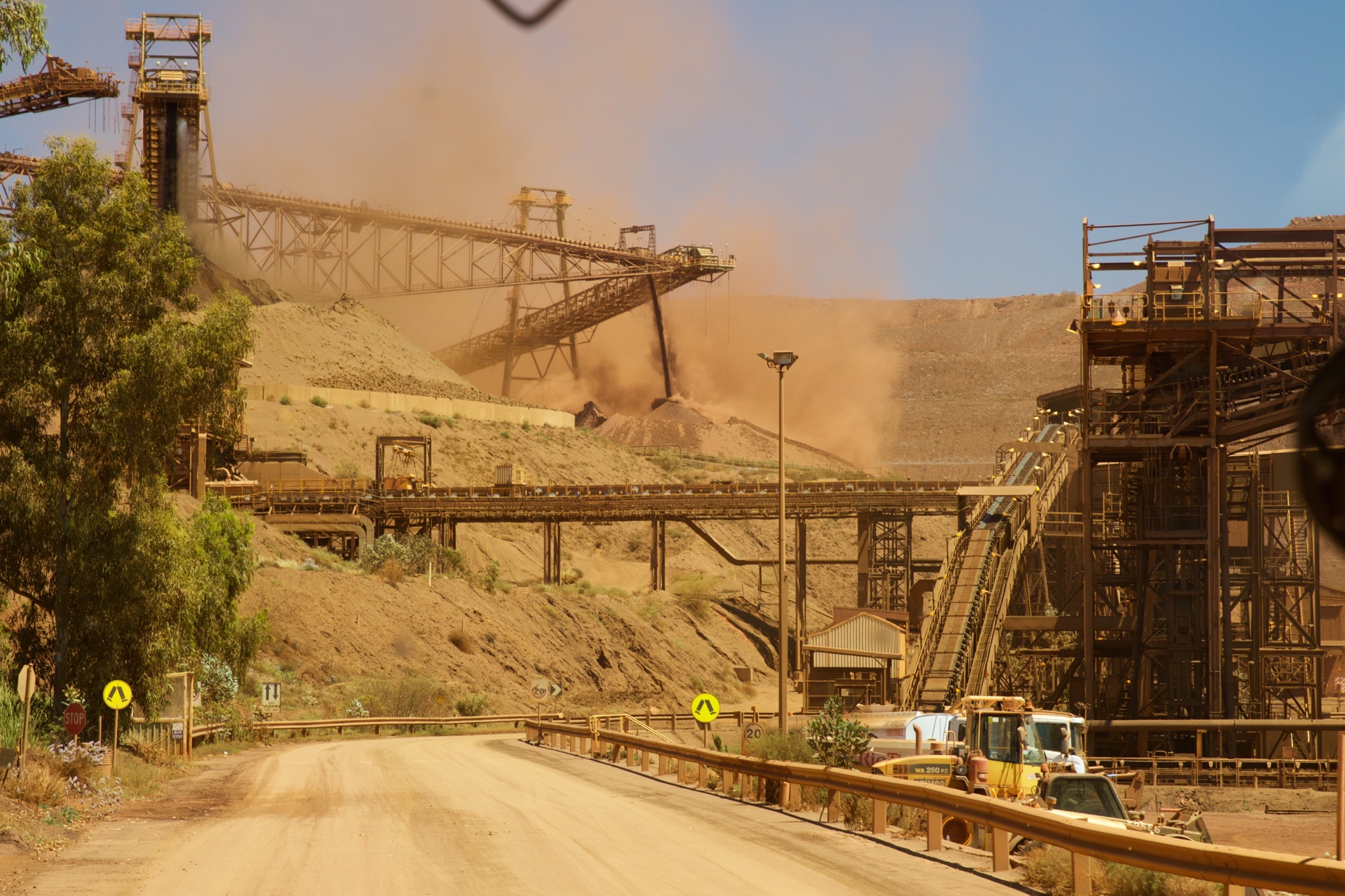
Tom Price Iron Ore mine, km of conveyor belts to transport the ore
The most fascinating part of these few days was the extreme contrasts of the northwest! On the one hand there is the industry of Karratha and its surrounds that are peppered with iron ore and salt mines with their storage and loading facilities (Point Parker, Intercourse Island, and Point Lambert), and the Woodside gas refinery. On the other hand you have the stunning turquoise Indian Ocean, the islands of the Dampier Archipelago, beaches for fishing and swimming, incredible mountains and rock formations, and the Murujuga National Park that contains over 10,000 petroglyphs (drawings etched into the surface of the rocks) that are up to 20,000 years old.
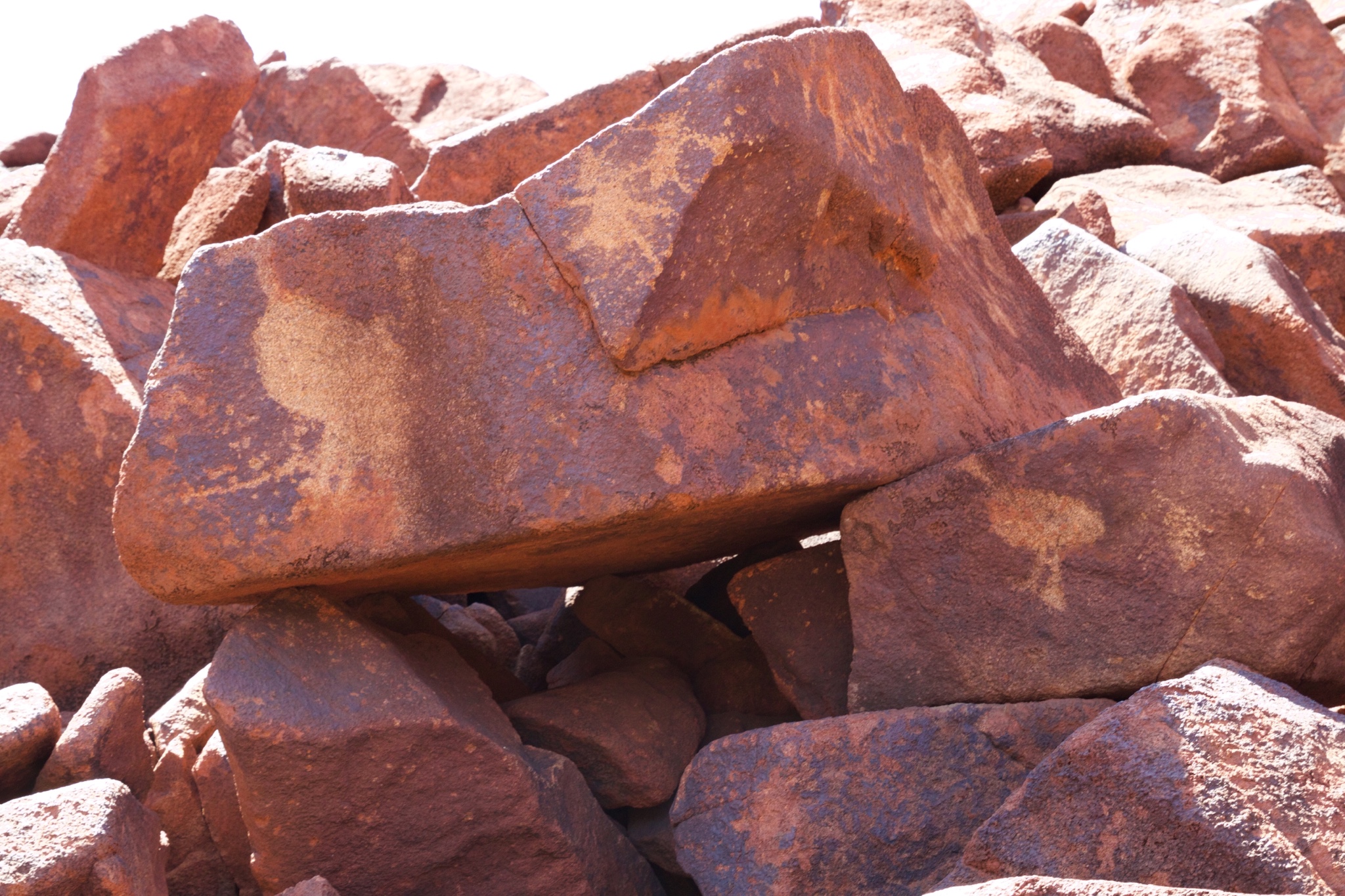
Petroglyphs
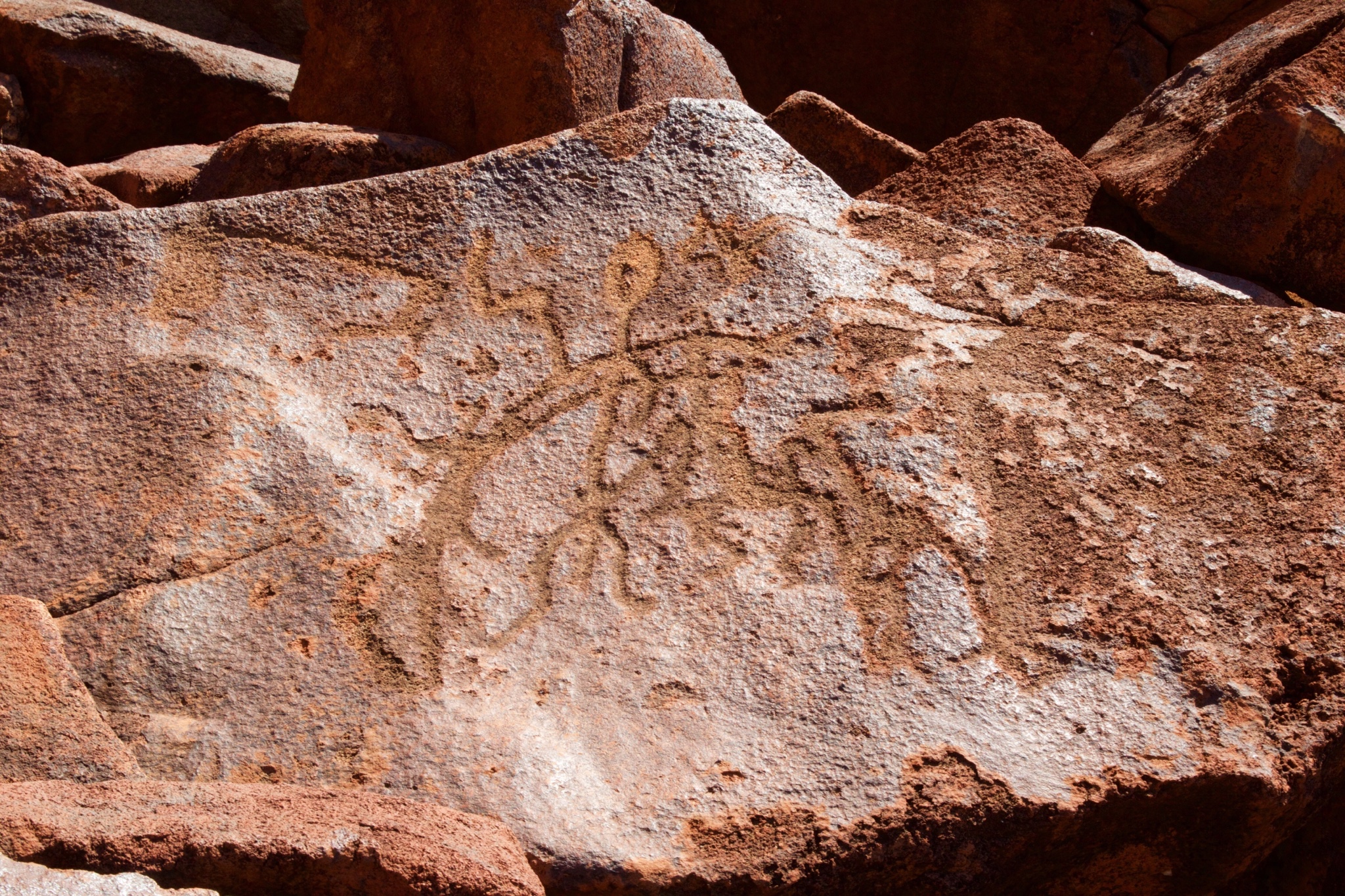
Karratha has a nice feel to it. It looks fresh and new and despite the downturn in mining profits it is continuing to expand. Its population has just exceeded 20,000 (making it eligible to be a city) and development seems to be ongoing. They have just updated the airport and high school, have a state of the art leisure facility, and are in the process of building a new arts centre, medical centre and hospital. The houses in the new estates all look very smart, and at the peak of the mining boom a few years ago cost a whooping $1.2m, but have now settled back to $400,000.
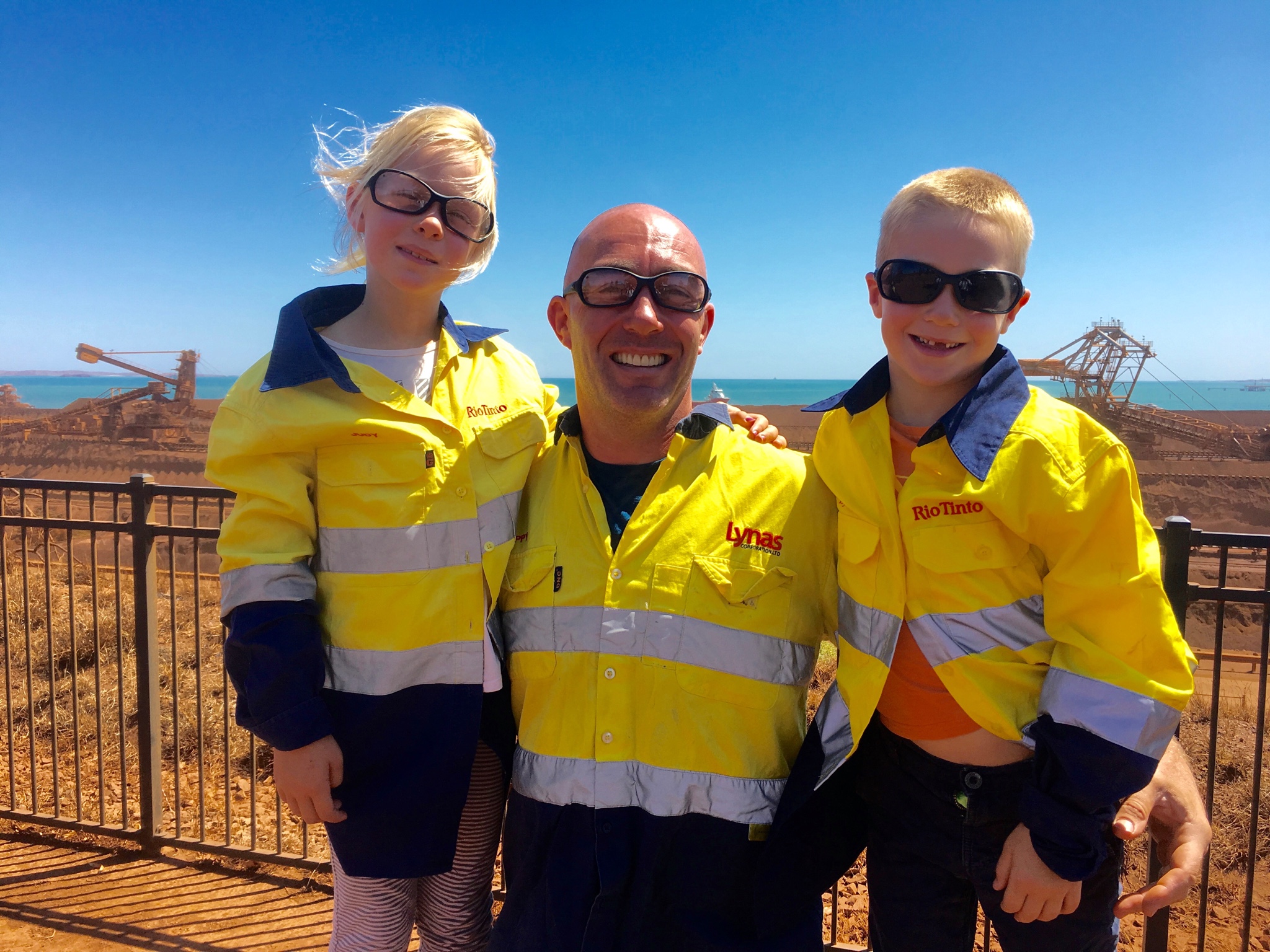
A new look for the trip... High Viz, and great sunnies
The Northwest Shelf Gas Project moves all its gas to Point Piper via a 135km underwater pipeline. The refinery and storage facility are massive and the interpretive centre gives an excellent insight into the whole process – the formation of the gas, the massive ocean platforms and the drilling process, piping the product ashore, refining and ultimately the 1600km overland pipe that transports the gas as far south as Bunbury below Perth. The special pipe coast $26 a tonne to produce and there are 1.4t per meter… amazing!

The overland gas pipeline winding its way through Millstream Chichester National Park

Memorial for those that gave their lives in setting up the gas fields, against the backdrop of the overflow flames
We toured the Rio Tinto iron ore loading facilities at Point Parker and Intercourse Island. It was an insight into the magnitude of the mining industry, its impact on the economy, and its power. The data around what they do is mind blowing, and hard to get your head around! Here are a few of them…
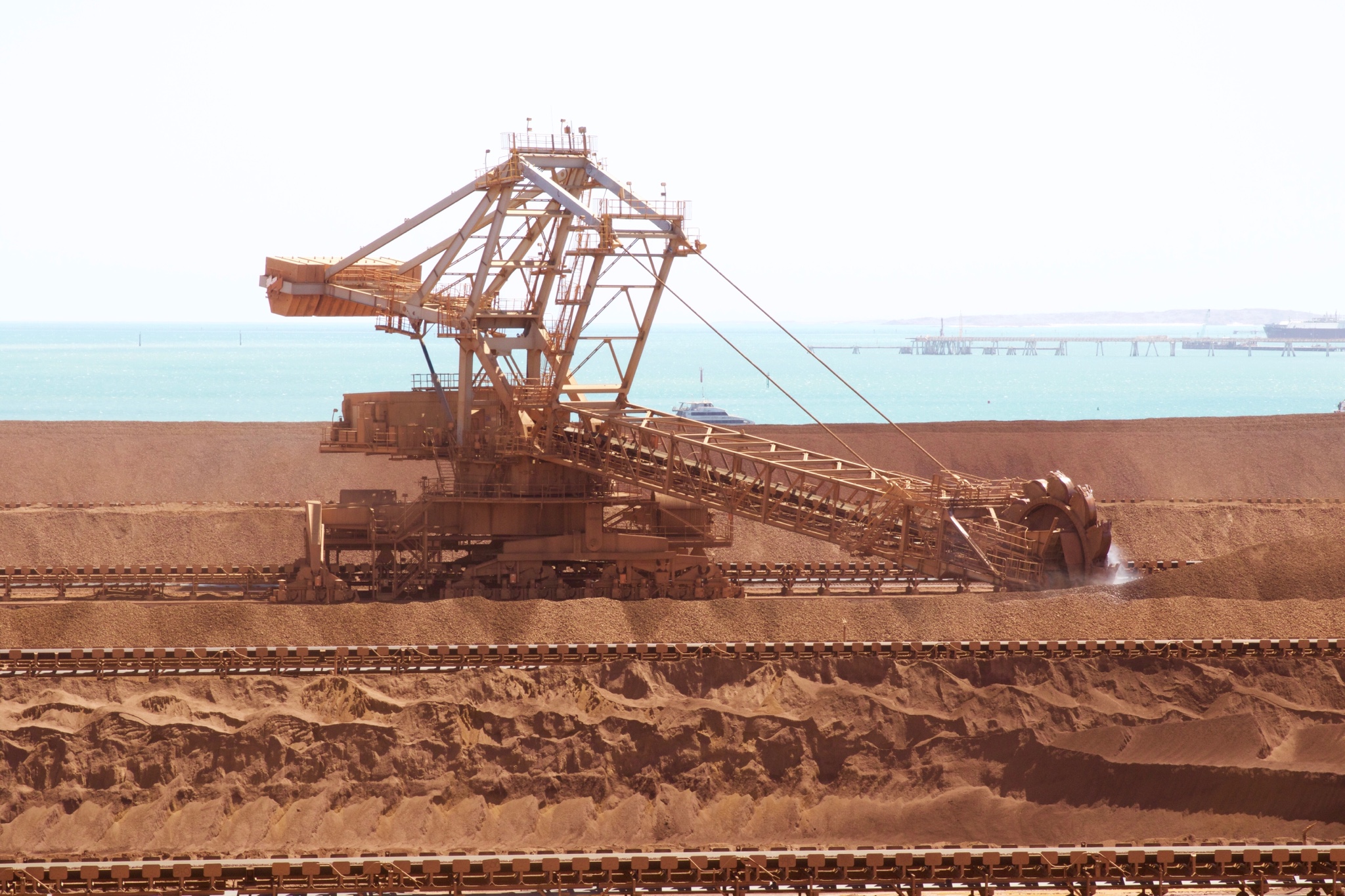
Bucket wheel moves the ore from stockpiles to conveyor belts to take the ore to the ships
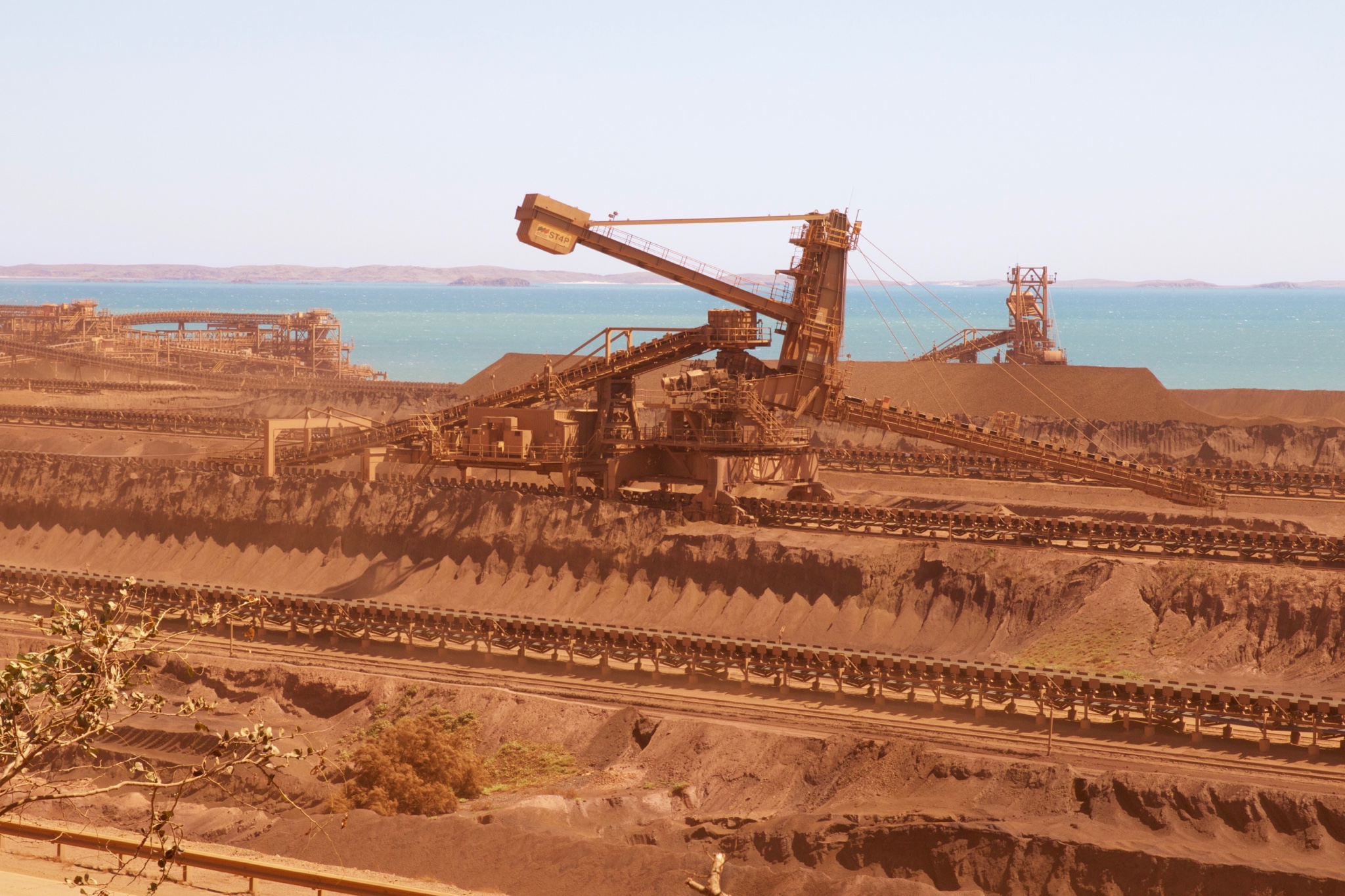
- Rio Tinto owns 15 mines in the Pilbara, in 2006 they produced 166 millions tonnes (mt) of iron ore, this year they are estimated to produce 360mt. The current price per tonne is $44, the peak was $163 a few years ago. It costs $22 per tonne to mine the ore.
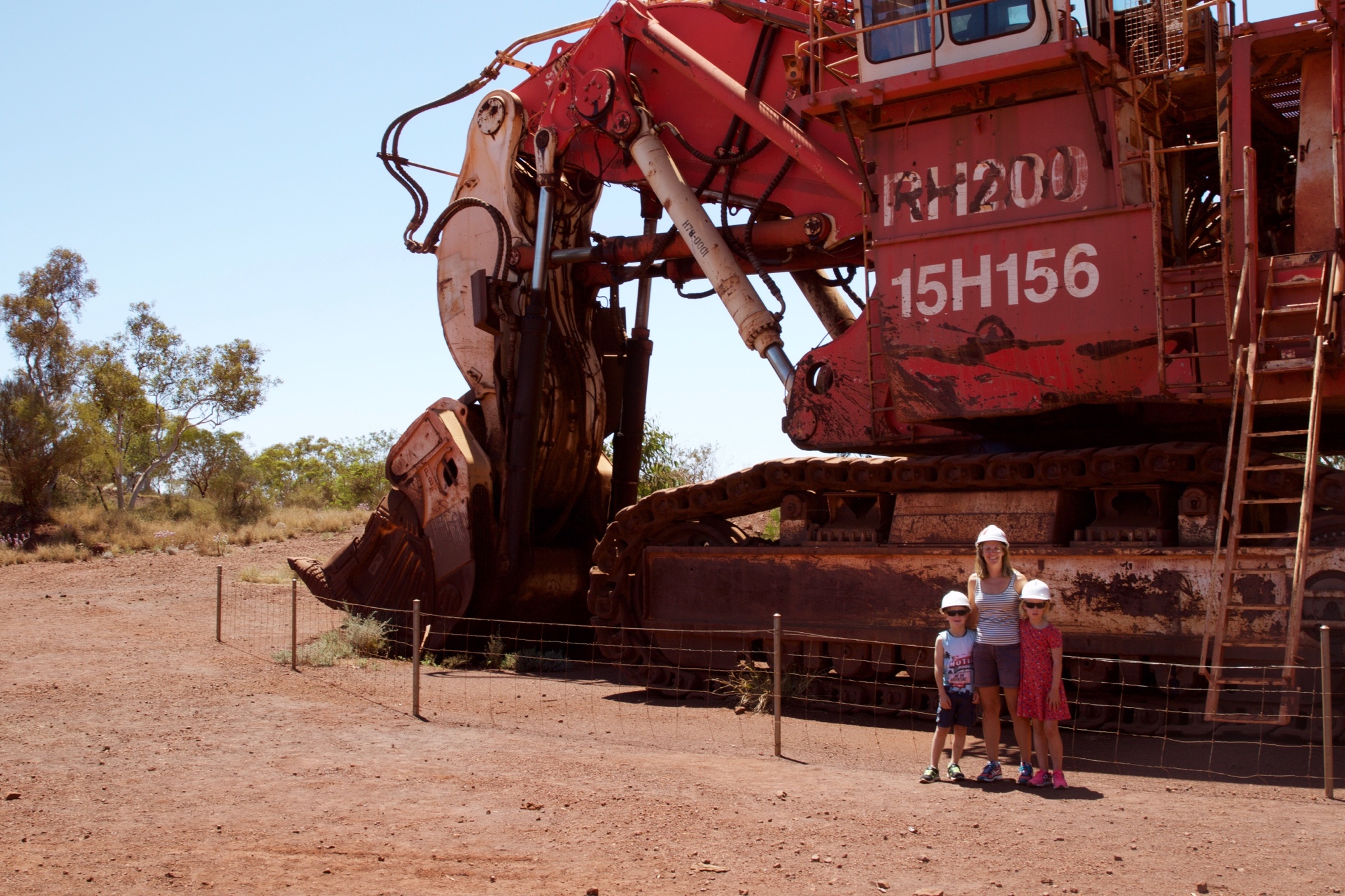
- After blasting the ore is lifted into the dump trucks by a shovel that is 17 meters cubed (a large 4×4 would easily fit in it) that uses 8000 litres of fuel a day.
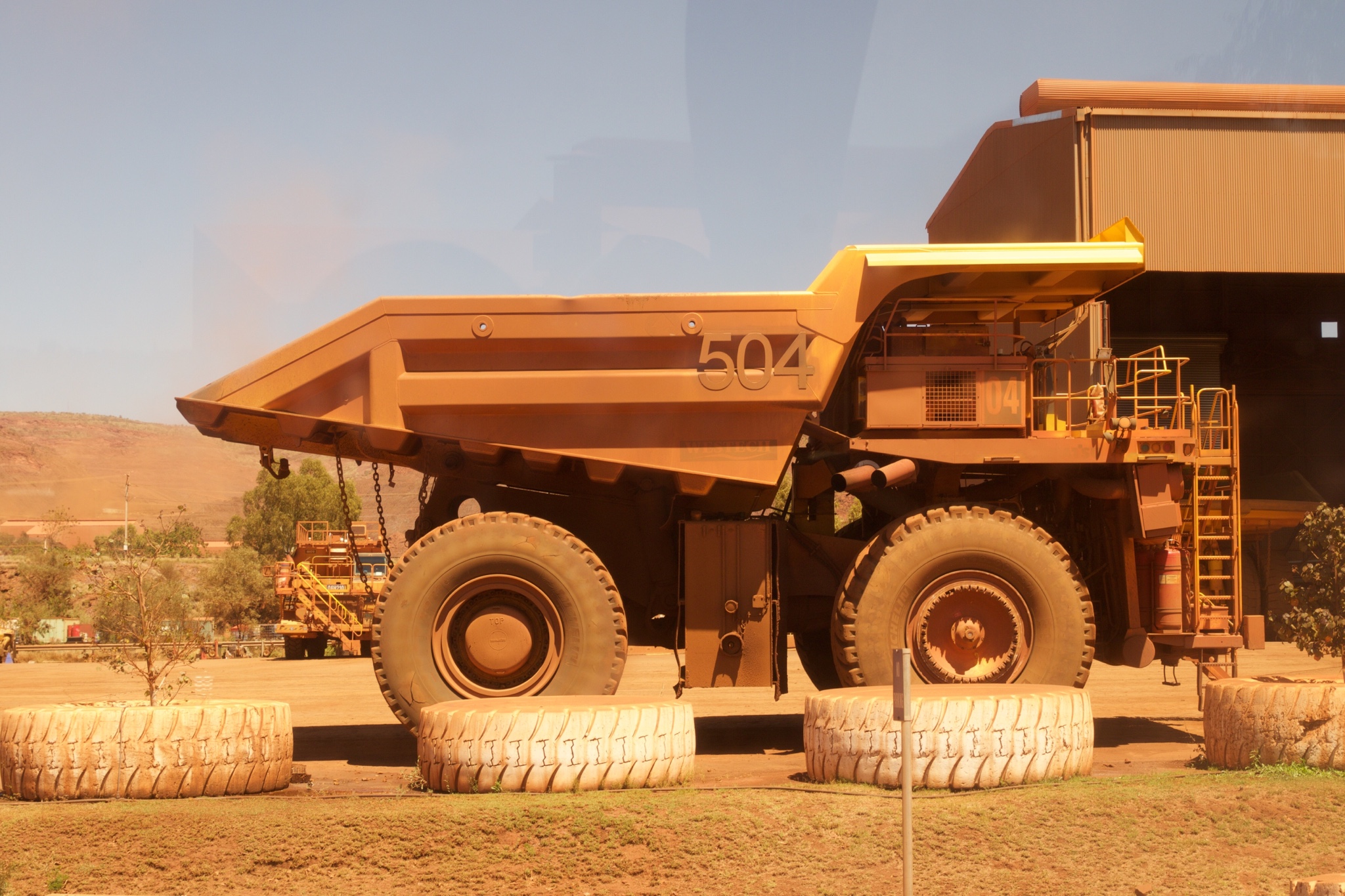
- The dump trucks that take the ore to the crushers cost $4.5m, weigh 200t, have tyres that have 3.7m diameter and cost $42,000 each. They carry 240t of ore, 5000l of diesel, and travel at 40kph using 20l of diesel per km (one litre every 50m)!
- The ore is shipped to one of the 4 shipping terminals along some of the 1700 km of privately owned rail tracks with 173 locomotives (4500hp) and 10,500 wagons. Each train is 2.5km long, has 3 locomotives and pulls 234 wagons that each hold 116t. That is 27,376t per train load, or $3.5m per train at $130 pt. The mine we saw at Tom Price works 24/7 365 days per year and averages 5 train loads per day.
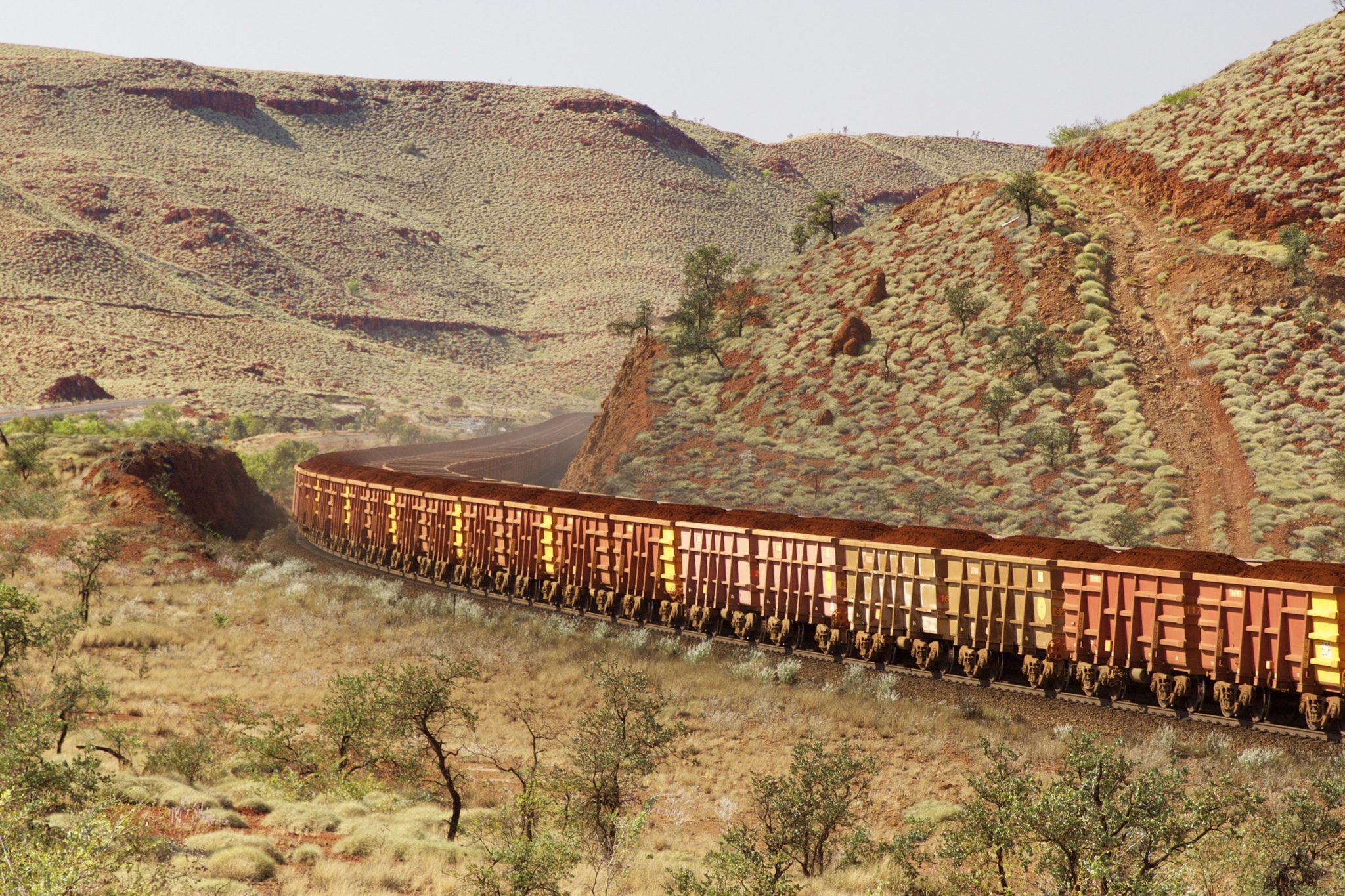
- The operation is completely controlled from offices in Perth. The ore is graded and the different trains loads arriving at the ports are blended into stock piles of various grades and size to export. It takes 2 hours to load the train, 3 hours to unload (pairs of wagons are inverted on a special automated rack). A ship is loaded in 36 hours and it takes 11 days to get to China, the major buyer.
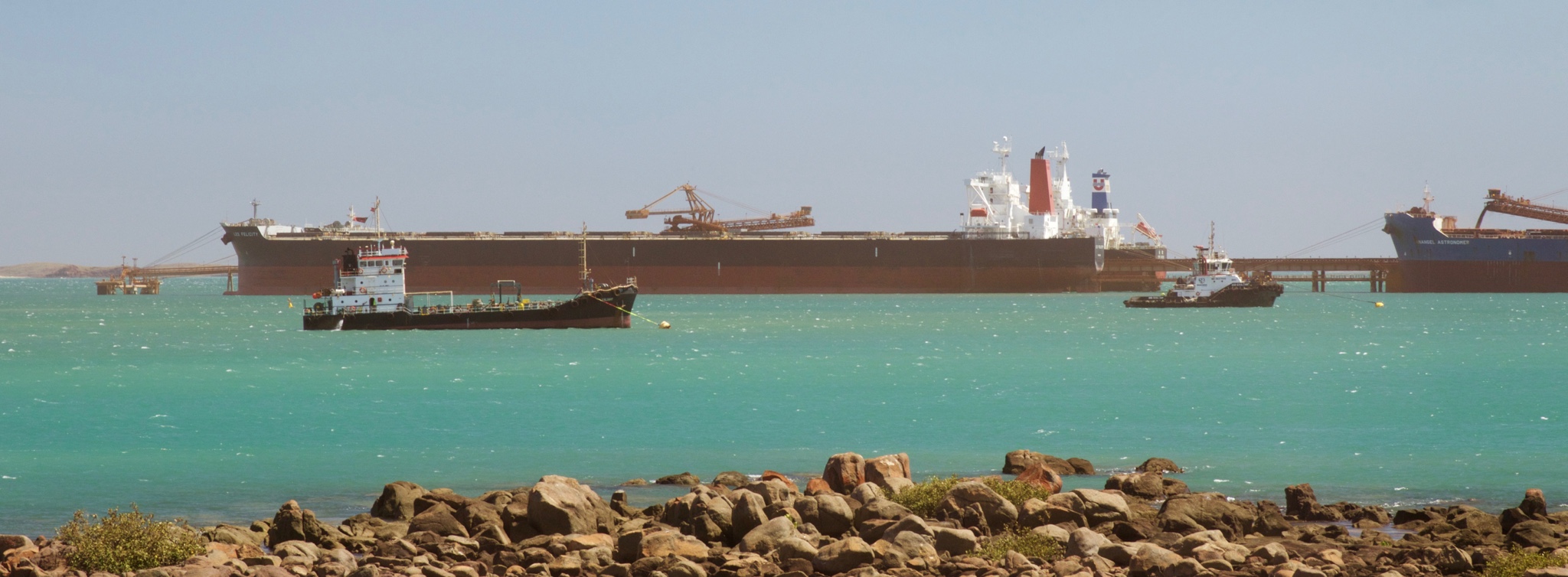

Iron ore stockpiles at Intercourse Island, notice the different colour piles for different grades, and the salt in the background
The figures around the solar salt production are equally fantastical. Dampier Salt is the largest exported of solar salt in the world, operating on pools over 10,000 hectors. The seawater is pumped sequentially through a series of of evaporative pools, with about 420,000 tonnes of water evaporating daily. It takes 18 months to evaporate the sea water into product salt, the yield is one tonne of salt from 60 million tonnes of seawater! Only about 20 percent becomes food, most of it is for chemical companies or for de-icing.
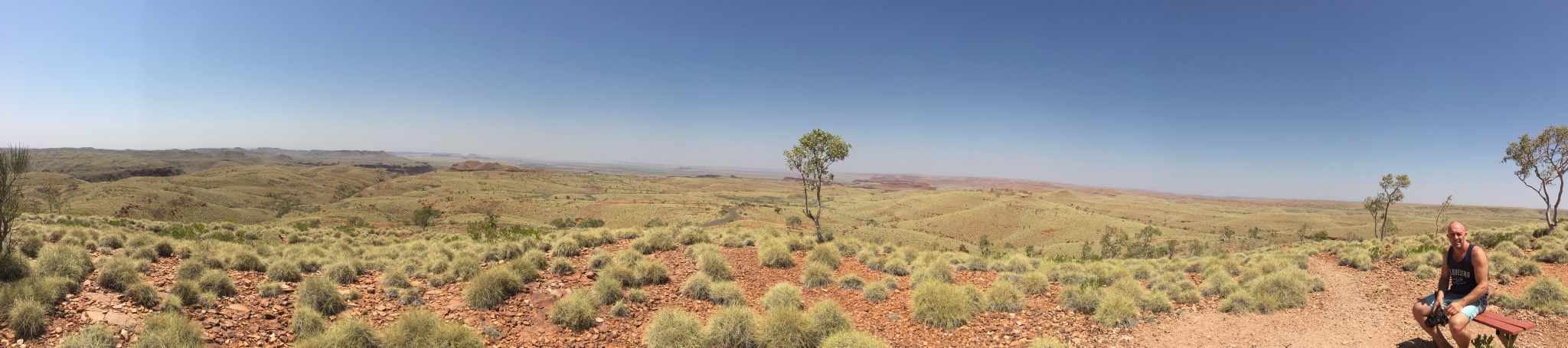
The vast landscapes at Millstream-Chichester, the tufts of Spinifex grass in the foreground extend forever!
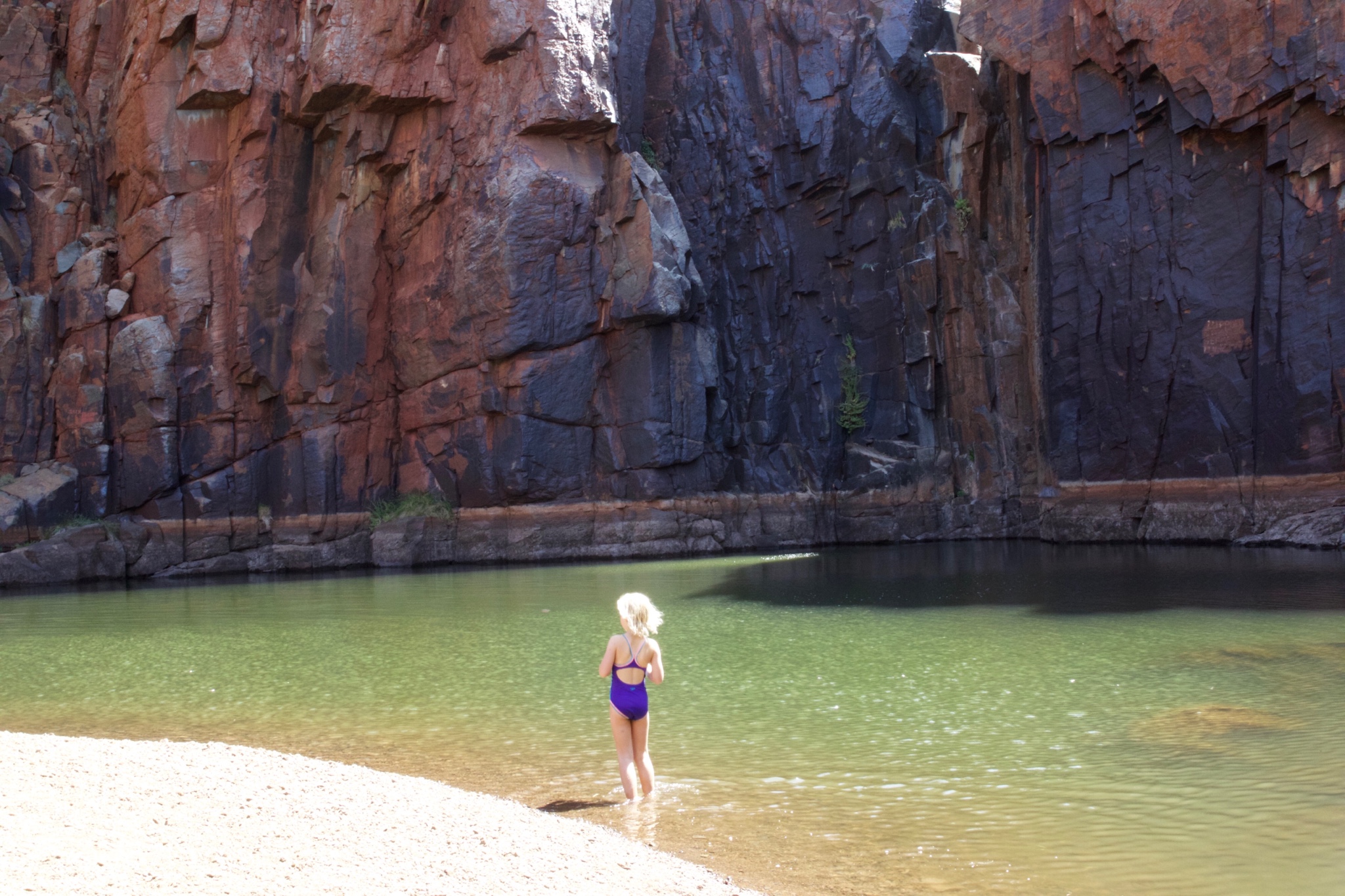
Python pool
We also took a break from the mines and travelled to Millstream-Chichester National Park. It is supposed to be a highlight in wildflower season, but we missed the boat… they had all gone! What was apparent from this trip are the massive distances between anything. Since we have left Broome the landscapes are expansive, remote, and stunning. There is really nothing between the towns except vast wide open costal plains or the semi arid desert with its red earth occasional punctuated by mountain ranges and lush vegetation. The journey towards Exmouth was 600km and on this trip we only passed a handful of vehicles and a single road house. True outback travel!
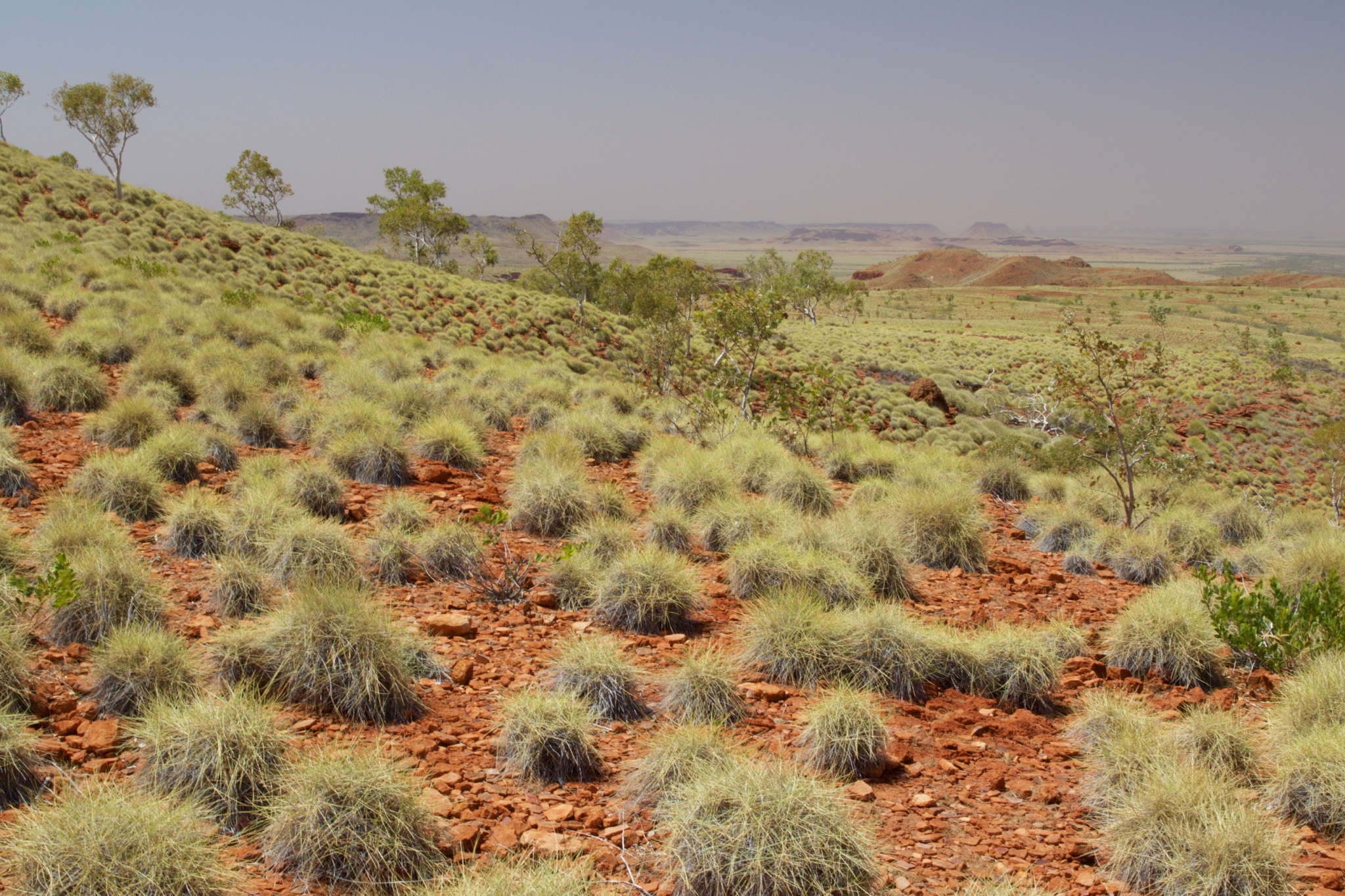
Spine flex grass of the semi arid desert... Starting to change from green to yellow as the land dries out... beautiful!
Next, back to nature and the Ningaloo World Heritage Area.
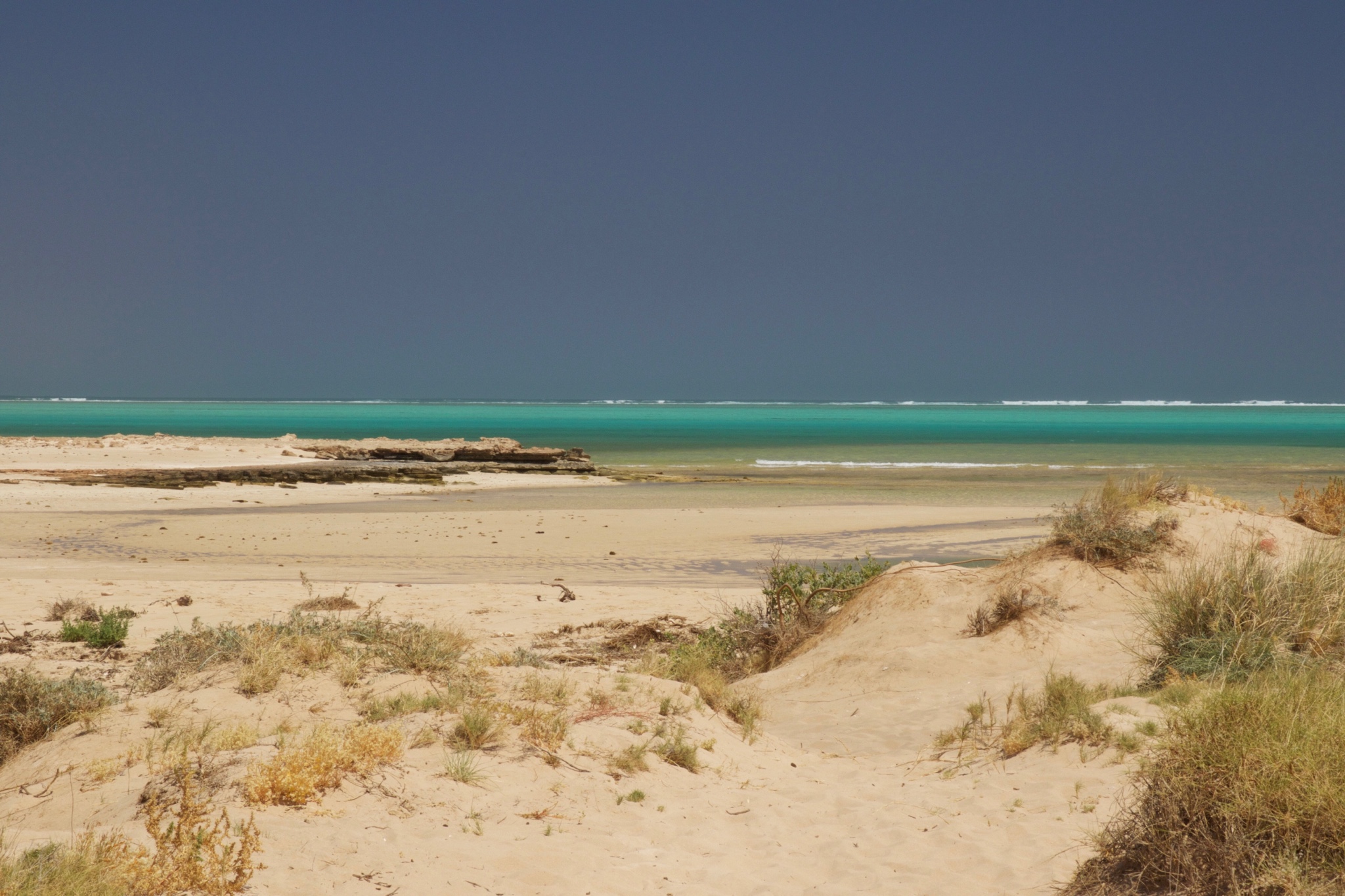
A sneak preview of the views across Ningaloo reef from Cape Range National Park
 Posted with Blogsy


 Chasefloow Around Oz
A wonderful lesson in a truly amazing part of the world
LikeLike
Holly Alex and Mummy ,have you taken Alice and wonderlands potion and shrunk? Ningaloo looks stunning!
LikeLike
Hi Alex,
It looks like you are having an awesome trip. I like reading your blog.
From
Ollie C
LikeLike