 September
14
September
14
Cape Leveque
September 7-14
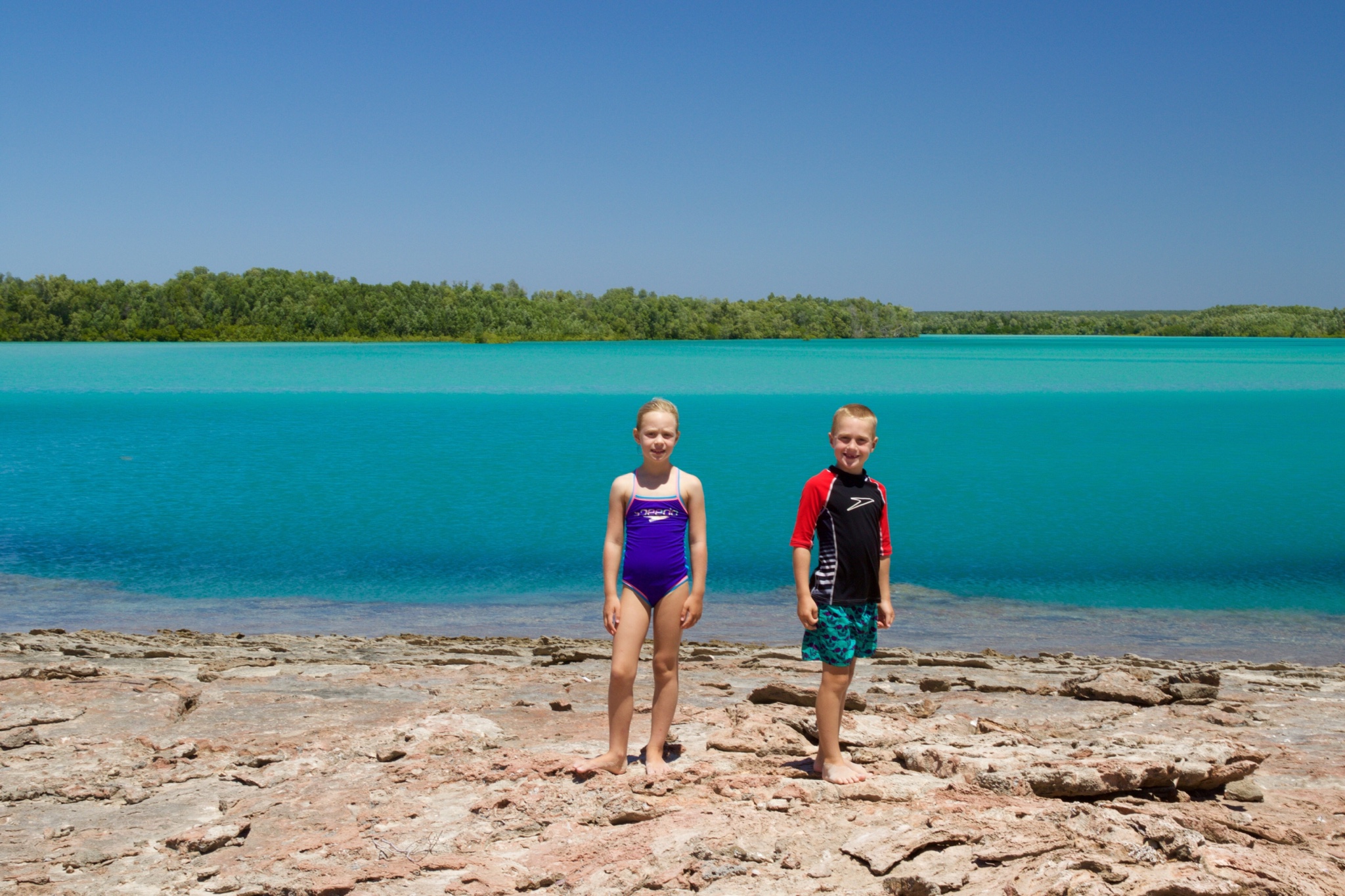
Cape Leveque is the northwest corner of the Dampier Peninsula and is the perfect postcard location. The turquoise waters of the Indian Ocean lap onto the fine white sand against a backdrop of red sandstone cliffs.

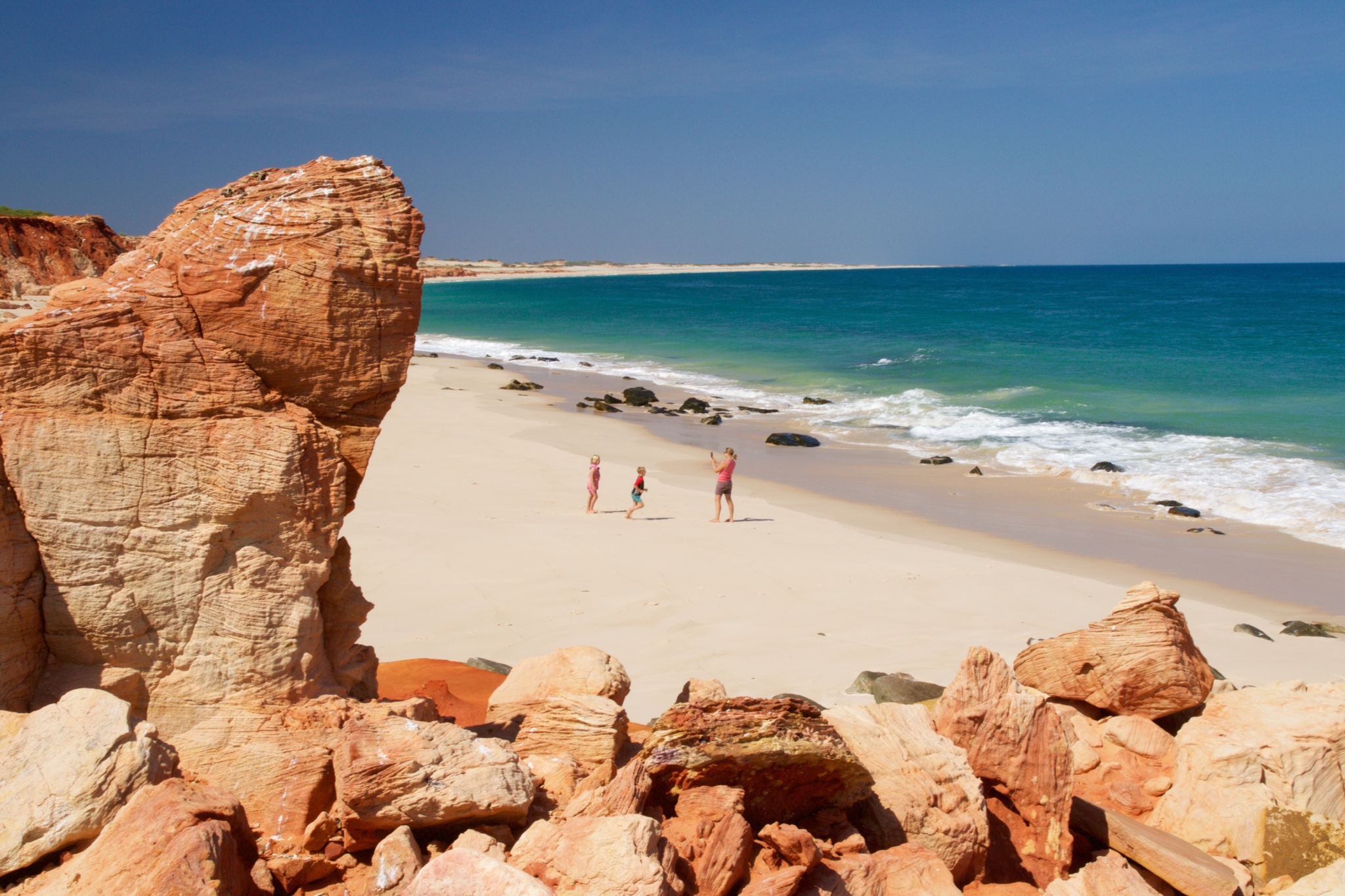


We lucked out and our beach shelter and campsite were literally on the swimming beach. I suspect that this might be something to do with my super organised wife booking this almost a year ago! The camp, Kooljaman, is owned and run by the Bardi-Jawi people of the Ardyaloon (one arm point) and Djarindjin communities and they do an amazing job of maintaining it and as a result it is booked out completely for the dry season.

Our campsite, “Eejil”
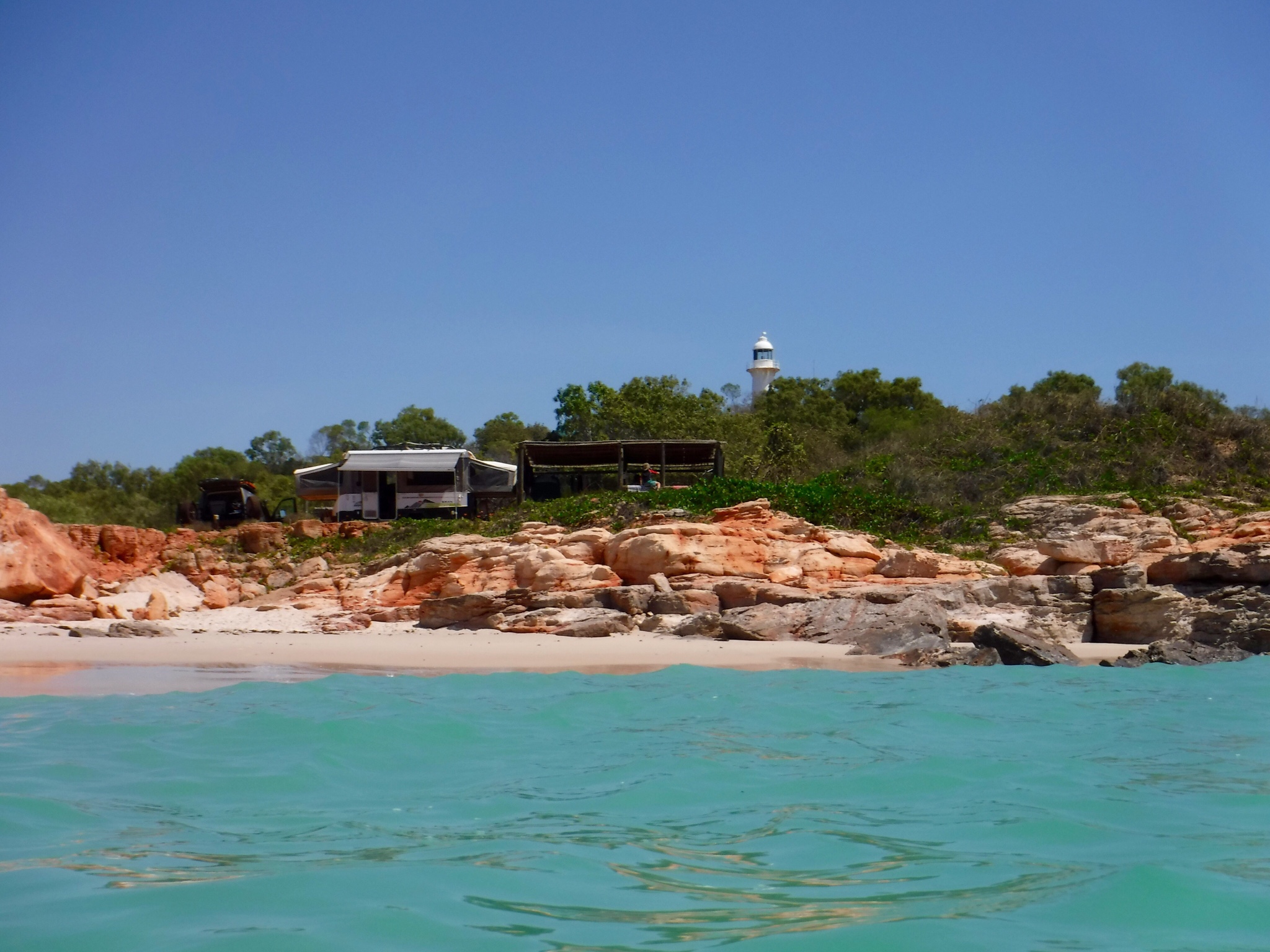
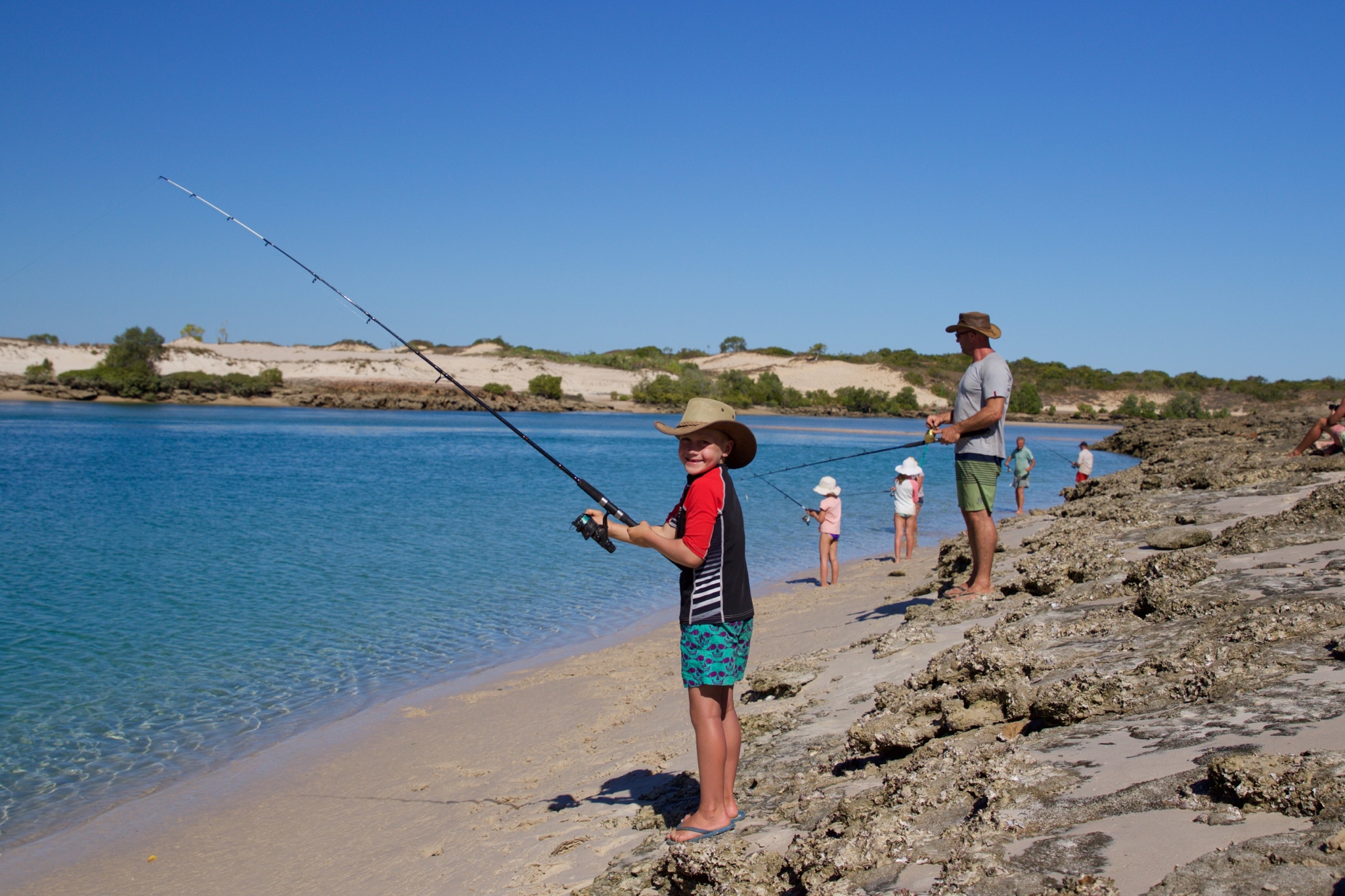
Our days were pretty lazy and a nice break after all the travels of the previous 3 months. Morning school, paddle boarding, fishing (I caught 3 flathead), and lots of swimming. It was pretty hot and humid during the days but cooled down every night when the skies became surreal with dazzling stars punctuated by the sweeping beam of light from the lighthouse marking the point.

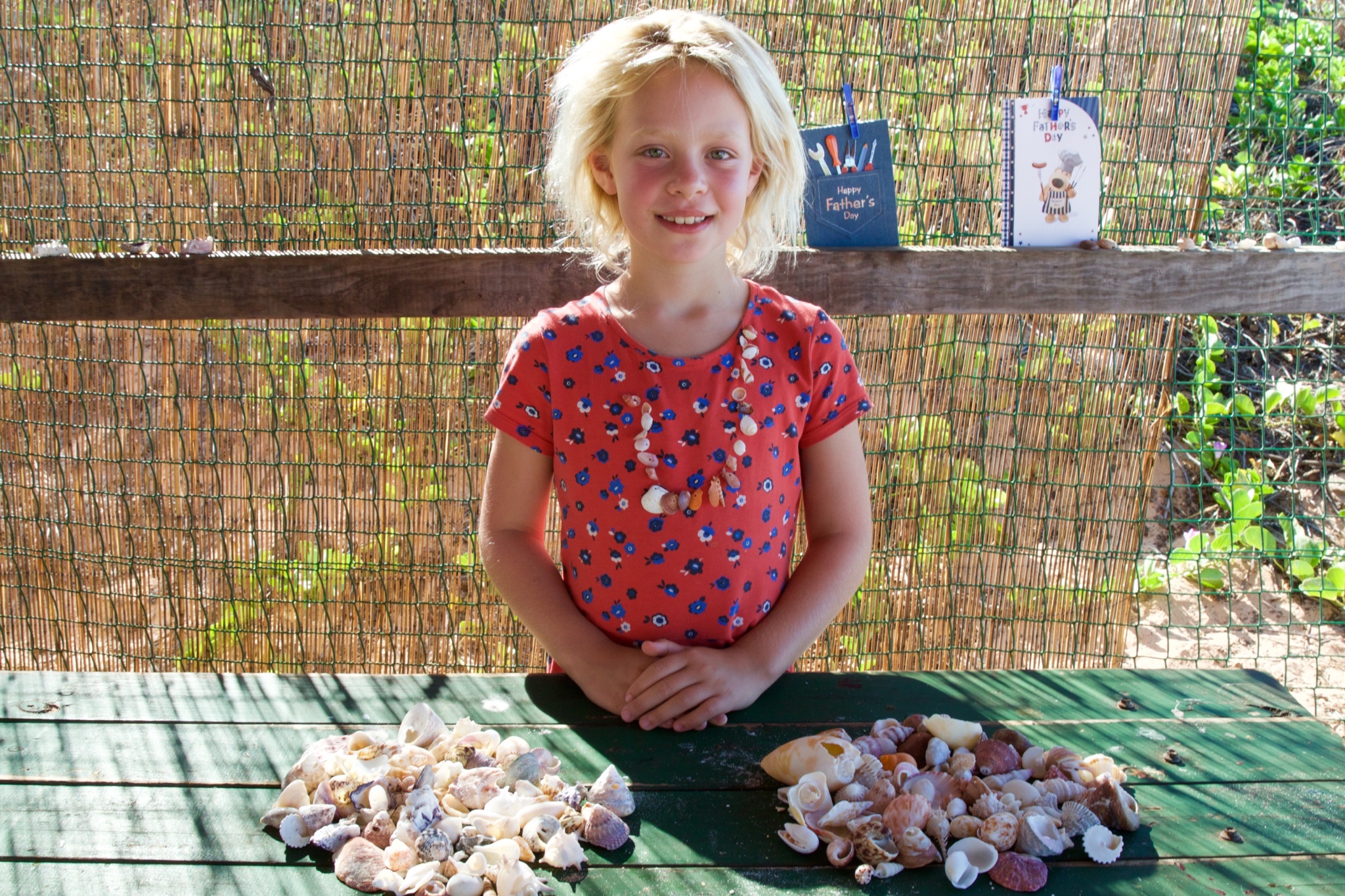
Shell collector with her necklace
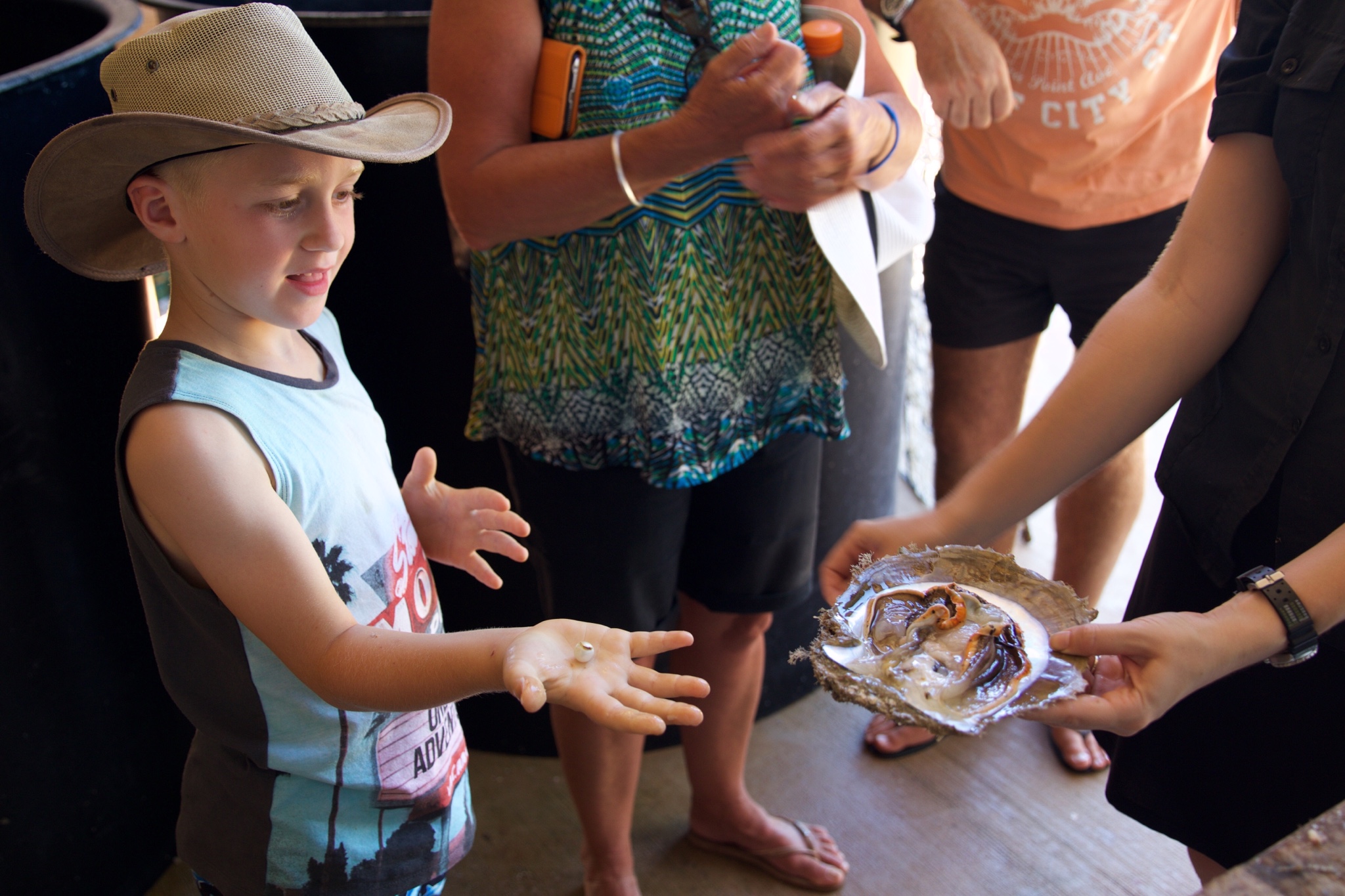
We spent a really interesting day at the nearby Cygnet Bay pearl farm and learnt all about pearl cultivation and its effects on the area. The Dampier Peninsula and 80 mile beach (north and south of Broome) are some of the few natural locations to find the large oysters (Pinctada Maxima, silver or gold lipped) used to make the pearls. The shells are lined with translucent mother of pearl created by the mantle tissue of the oyster. Around the turn of the 19th century, Broome and its surrounds became one of the wealthiest areas in Australia when this mother of pearl was in high demand for buttons, buckles and decorative effects. The Japanese were important in diving for and culturing the pearls which explains the Asian influence on the Broome area.
 The cultured pearls occur when a nucleus (small ball) is placed inside the gonad of the oyster with a piece of its mantle tissue and leaving them in the sea for two years with not an insignificant amount of maintenance! On our tour Alex and Holly got to harvest a pearl from a shell and we were shown how to decide if the pearl is ‘gem’ quality. Size (they get expensive over 13 mm), colour (silver, gold depending on the mantle colour), shape (round, teardrop, button), lustre and skin of the pearl we discovered are all important.
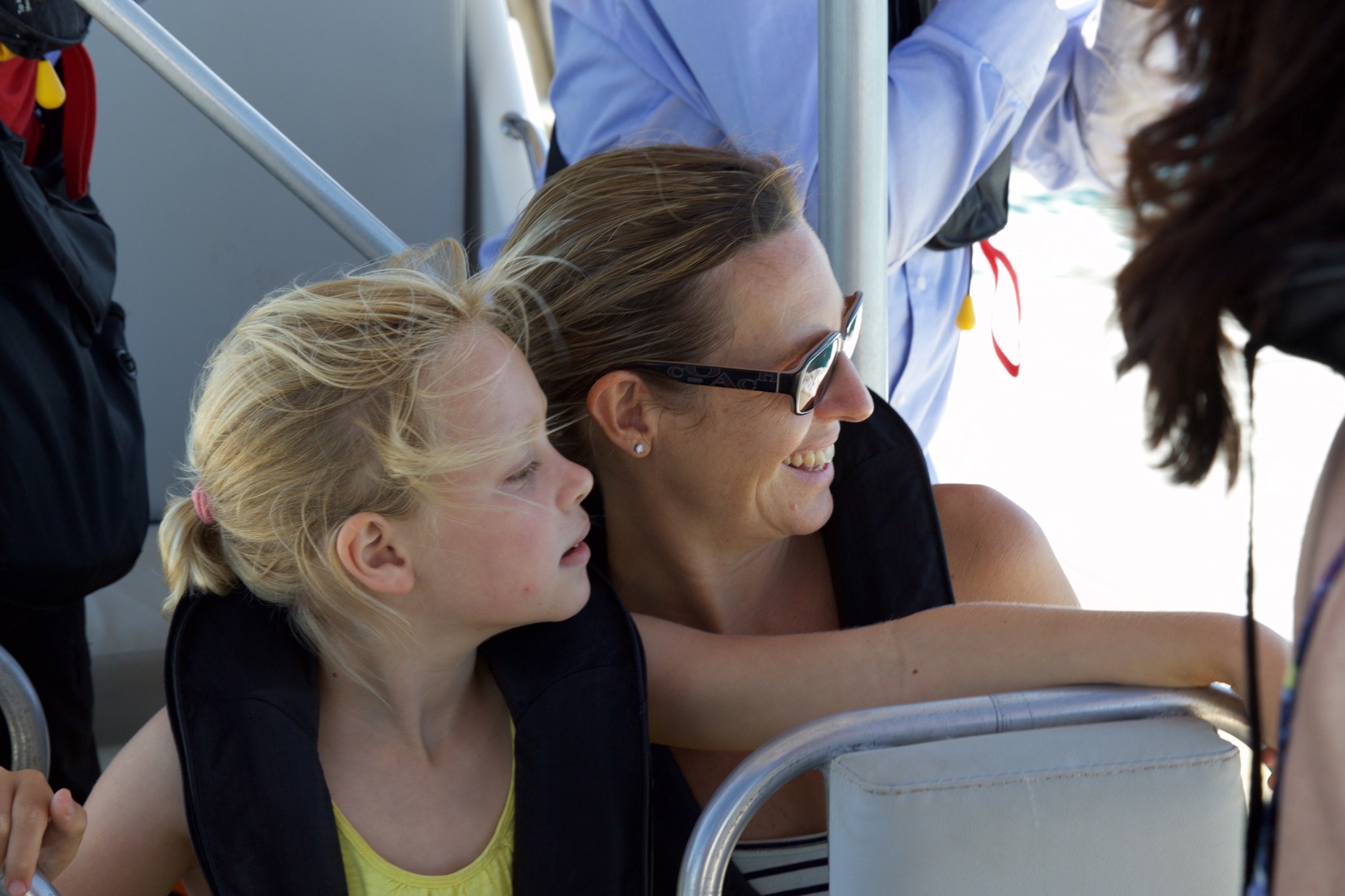
We finished our day on the pearl farm with another speed boat tour. This time we went around One Arm Point, on the east side of the Dampier Peninsula, and the Buchaneer Archipelago and watched the massive tides eddy and whirl pool around some of the 300 islands. We got to see a reef waterfall where the water level around the reef drops quicker than it can flow away from the top creating a temporary waterfall. This one can be up to 3m high!
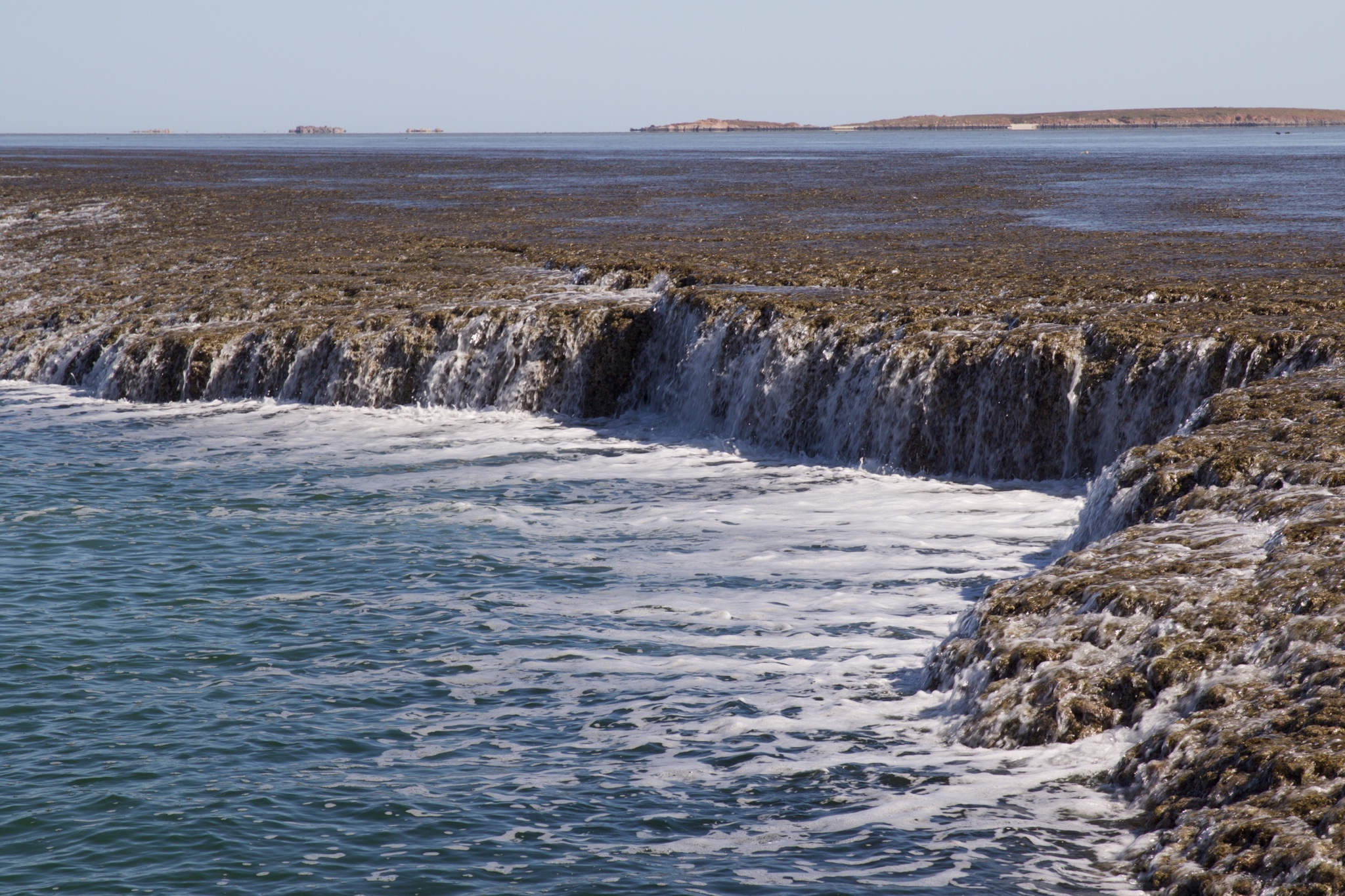
Reef Waterfall

Massive whirlpool from the tides… scary!

Punishment spearing through the thigh… umh?!
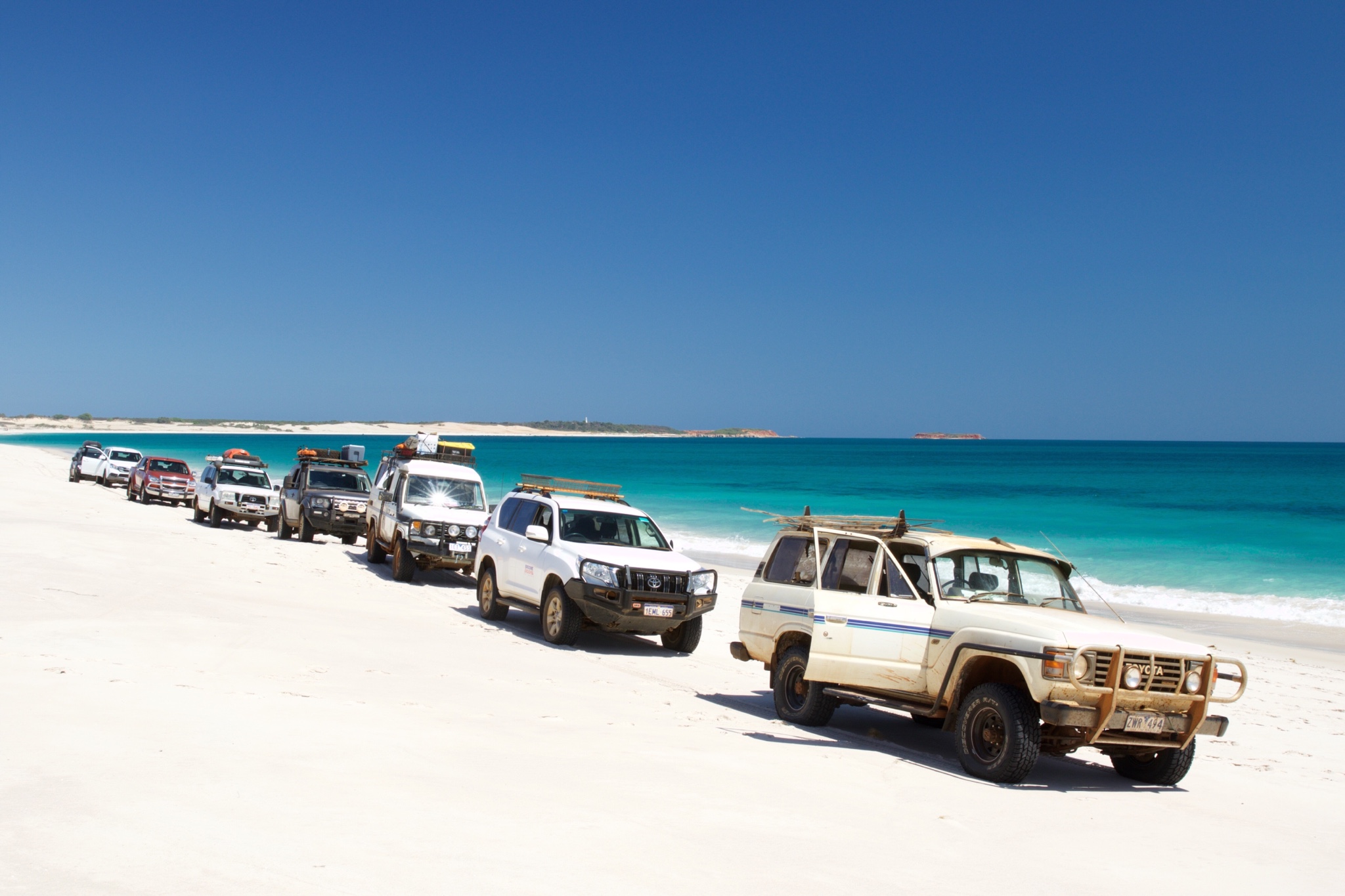
“Tag along” tour… it seemed criminal to drive on this beach!
A real highlight of our Cape Leveque time were the cultural tours. The 3 trips that we did were all fascinating and for the first time in our three months we got a brief insight as to what aboriginal cultural and life was traditionally about. It was great to see the dedication and enthusiasm of the rangers and elders to incorporate their communities, and particularly their youth, into the programs that maintain and promote the land. We went on a tag along tour with Brian Lee to the beaches and creeks around the Kooljaman resort. In the tag along Brian just wanders out for the day and a bunch of us follow in cars as he stops to gives insights into the land and aboriginal life and history. We heard about the middens, a field guide to sea life (shells, crabs, turtles and dugongs), the creeks and fishing, the history of the area and its people, and how to recover the cars, including us when we got bogged in the soft sand. Brian’s relaxed storytelling and willingness to share his history and culture were a real insight… it was a most enjoyable eight hours.
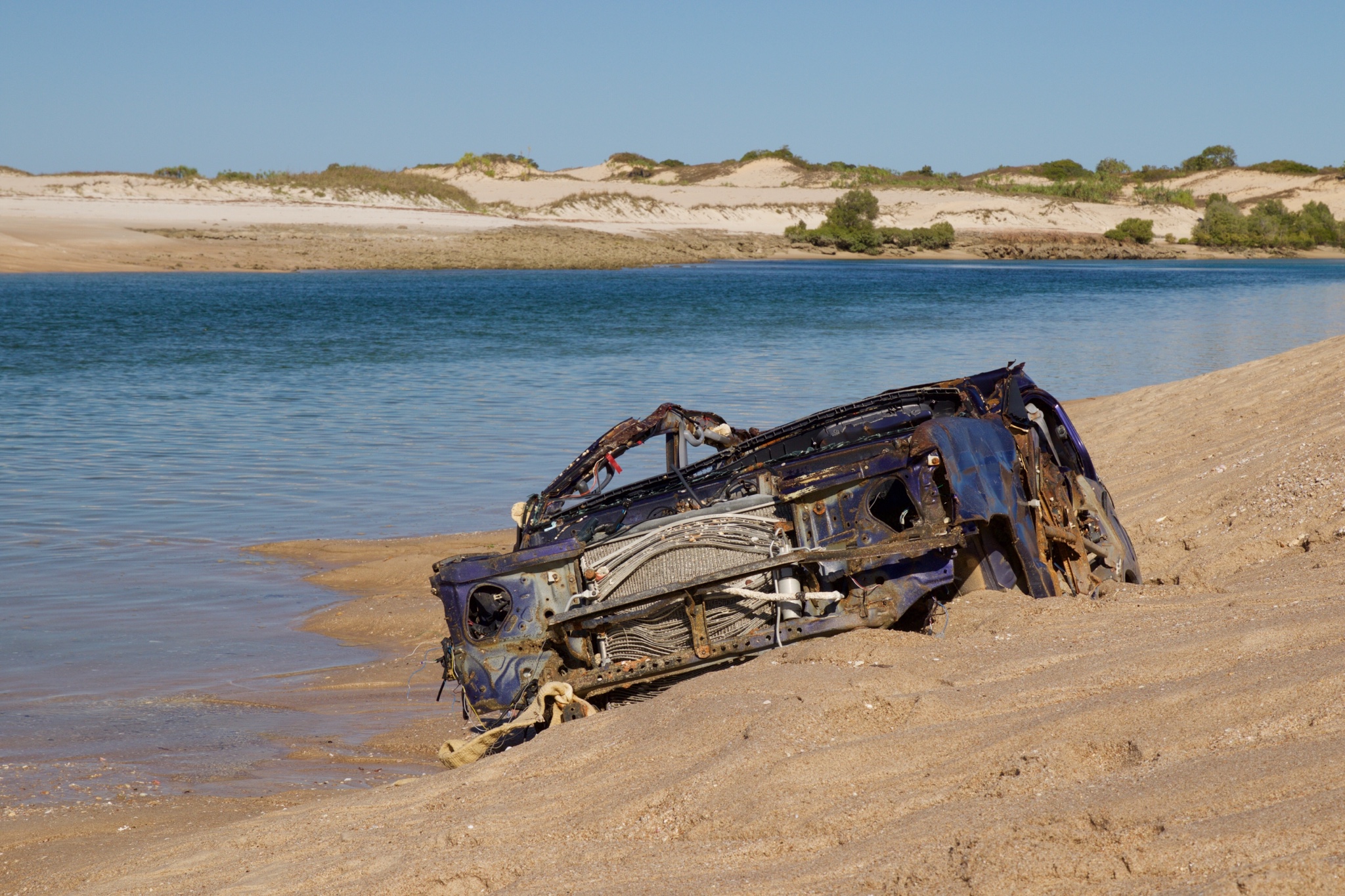
Bogged below the high tide mark…
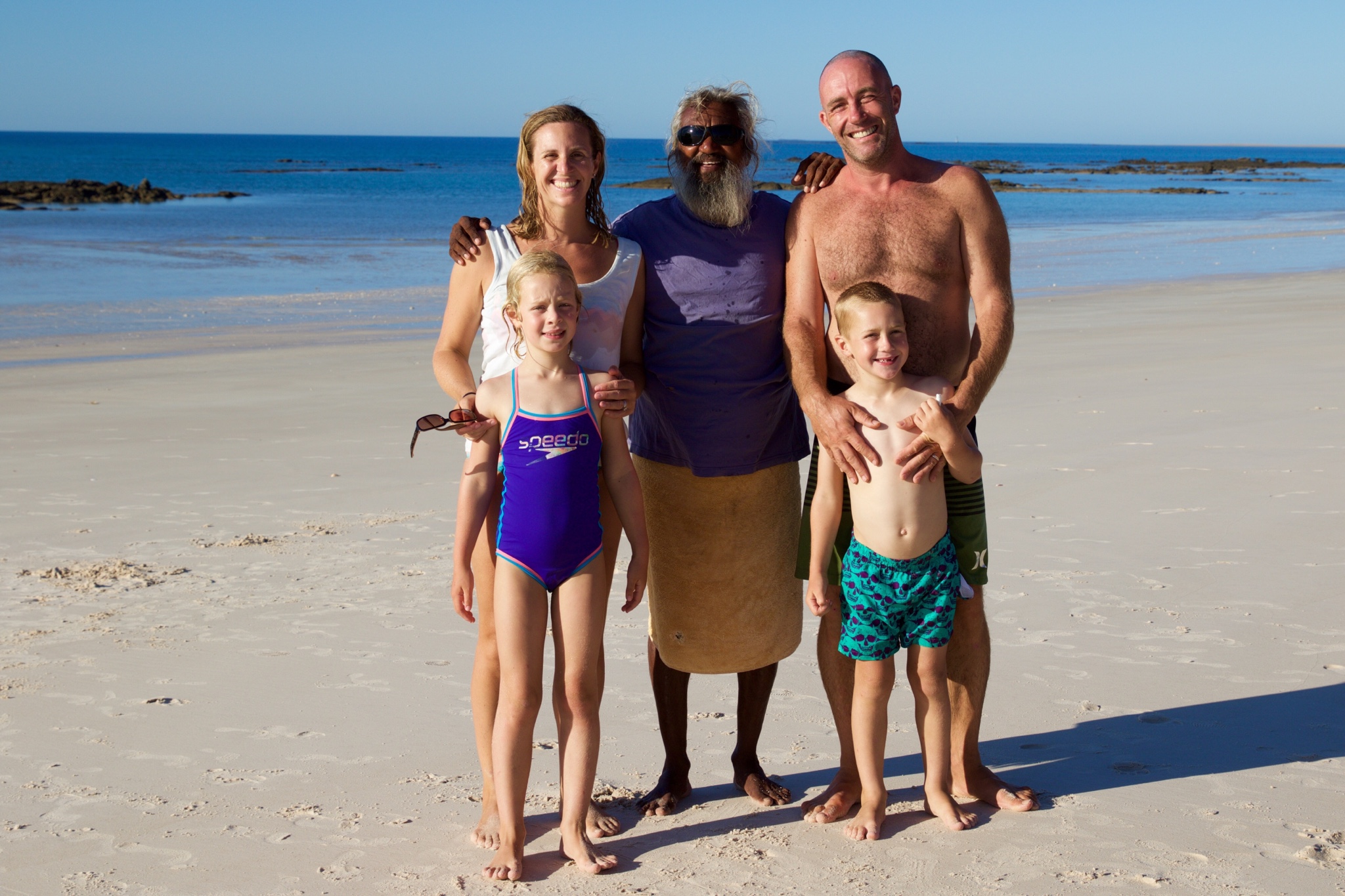
Our day out with Brian Lee
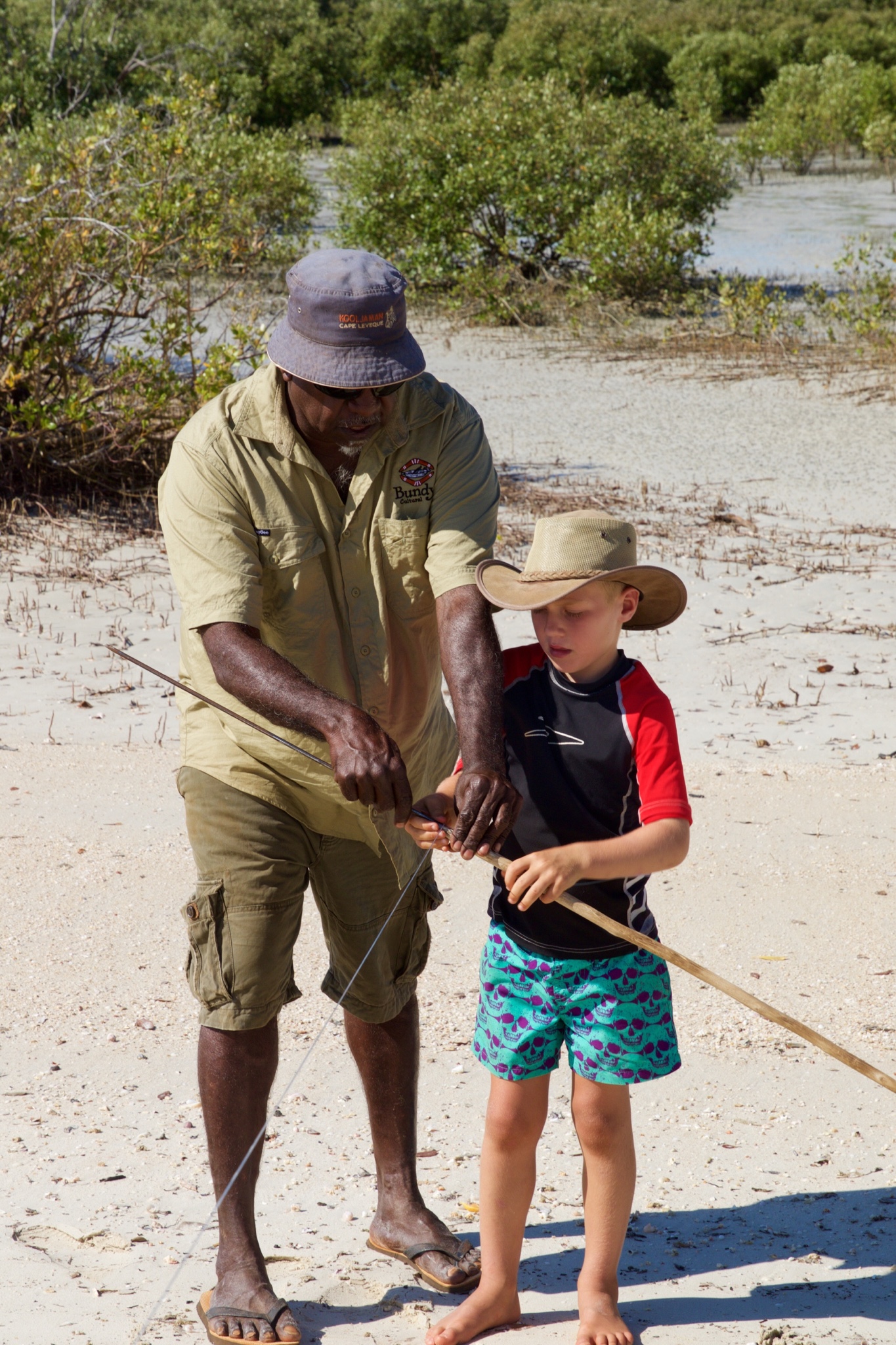
Making spears with Bundy

Off fishing… full of hope?!!!!
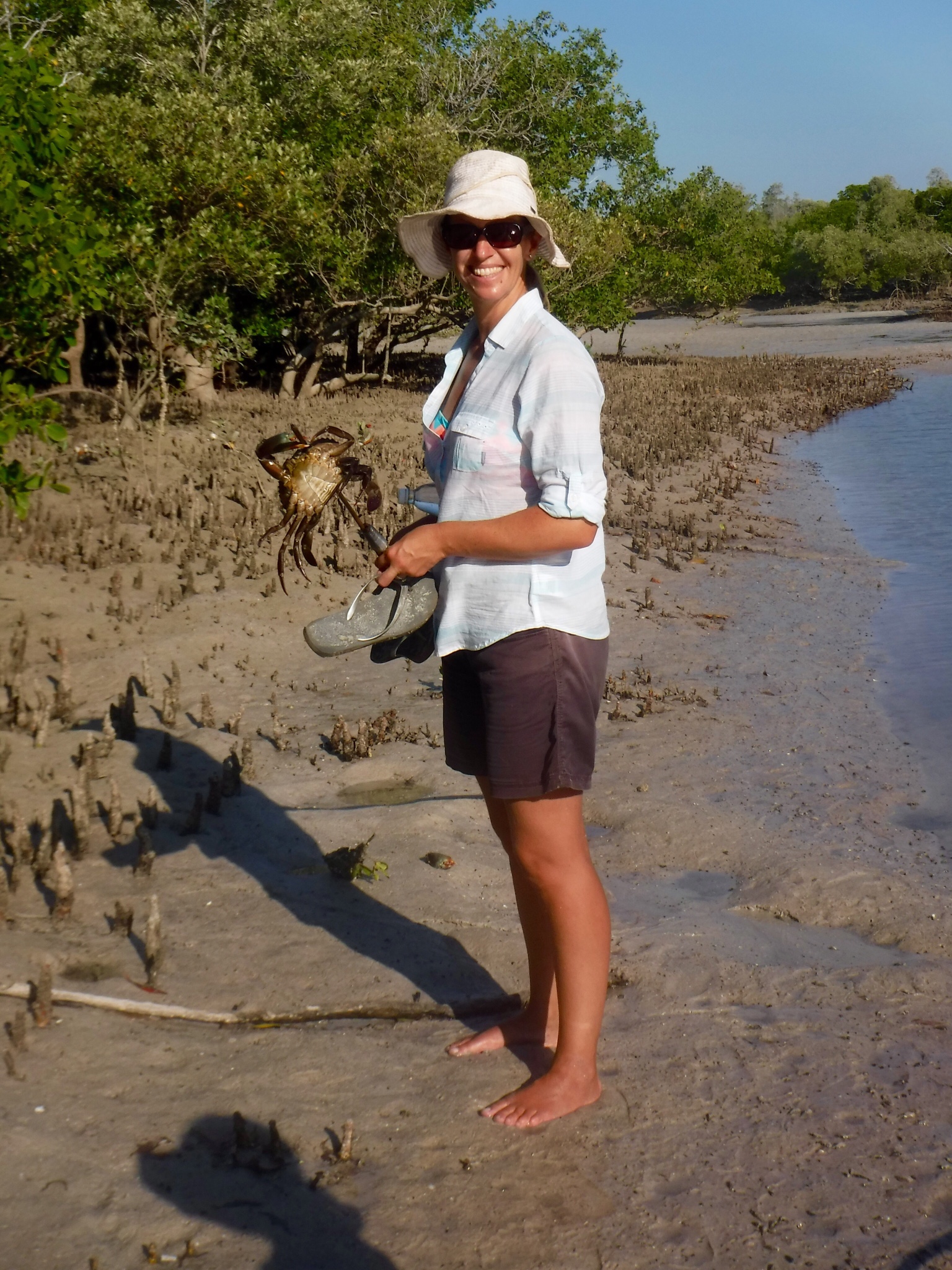
Mud crabs are easier than fish to catch!
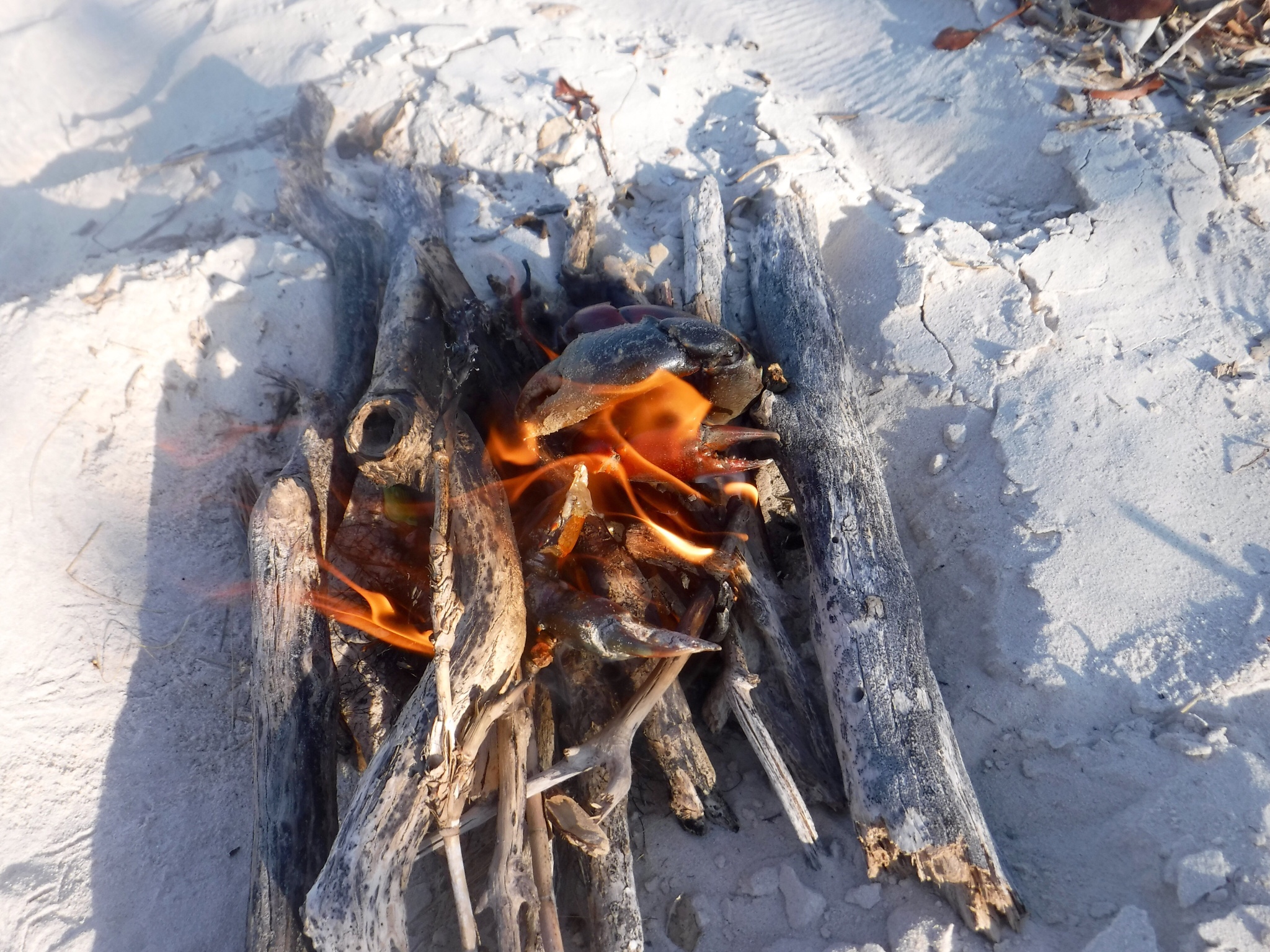
Fresh mud crab on the fire… so, so tasty
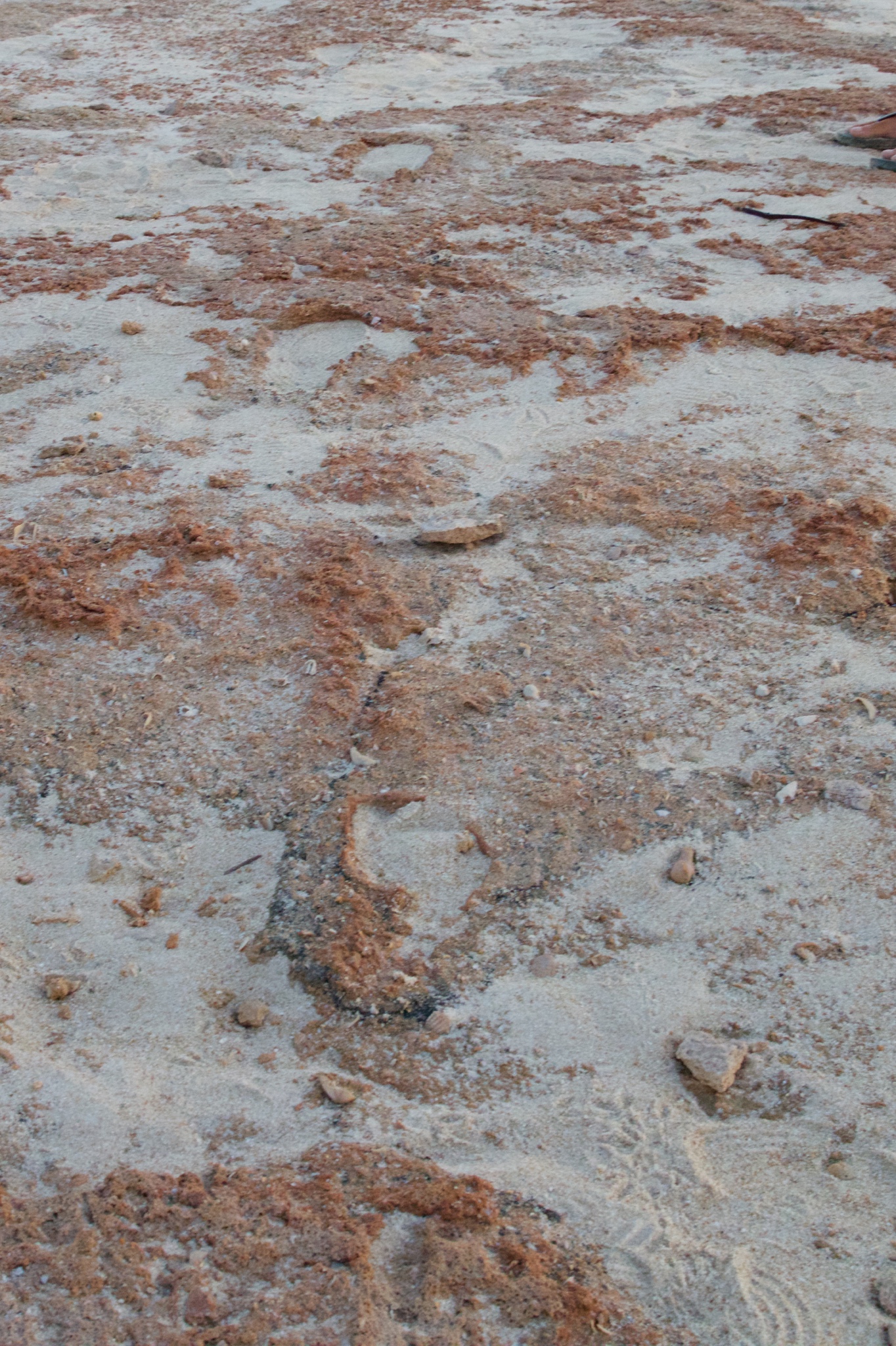
8000 year old human footprints embedded in the rocks
The second tag along was with another local elder, Bundy from the Djarindjin community just down the road. The focus of this tour was more on sustainable harvesting and using the land to live, especially in an environment or time when there were no fridges or supermarkets. The boys made spears (girls aren’t allowed) and then we all waded though the estuary looking for fish to spear. This was unsurprisingly not a successful outing… it is hard enough when using bait and trying to get them to come to you! From there we moved to the mangrove creeks and speared mud crabs, found tree oysters and made a fire on the beach to cook and eat them on the spot! We also saw how to find fresh water in the mangroves and saw 8000 year old human foot prints. This was another fascinating “doing” day … as Alex says, “the best day ever!” 
 Posted with Blogsy


Nice crab catching Alex
LikeLike
Hi Louis.
We used a spear to catch the big mudcrab I speared the male.
My mum speared the female which was smaller. After that we went back to the cars and we made a fire with a real Aboriginal person! We cooked the mudcrab on the fire it was yummy. Then we learnt how to find freshwater near the beach.
LikeLike
What a fabulous location. I love Holly’s shell collection and necklace. Alex I am looking forward to hearing over dinner about how the 8000 year old footprints became fossils. Mud crabs and tree oysters- is there nothing you guys don’t eat?
LikeLike
Hi Alex
Love the crab you caught! did it nip you? Hope you are having the best time travelling.
William R.
LikeLike
Hi William the crab didn’t pinch us we used spears to spear the crabs we then cooked it on the fire and the claws were yummy.
The trip is going well.
From Alex.
LikeLike