 August
15
August
15
Munja Track and Bachsten Camp
August 15-23
Bachsten Camp is a remote bush camp in the Prince Regent NP that accessed via a private “road” called the Munja track. After spending 10 hours driving the 146km of the Munja Track, the six relaxing days that we spent there were very welcome!

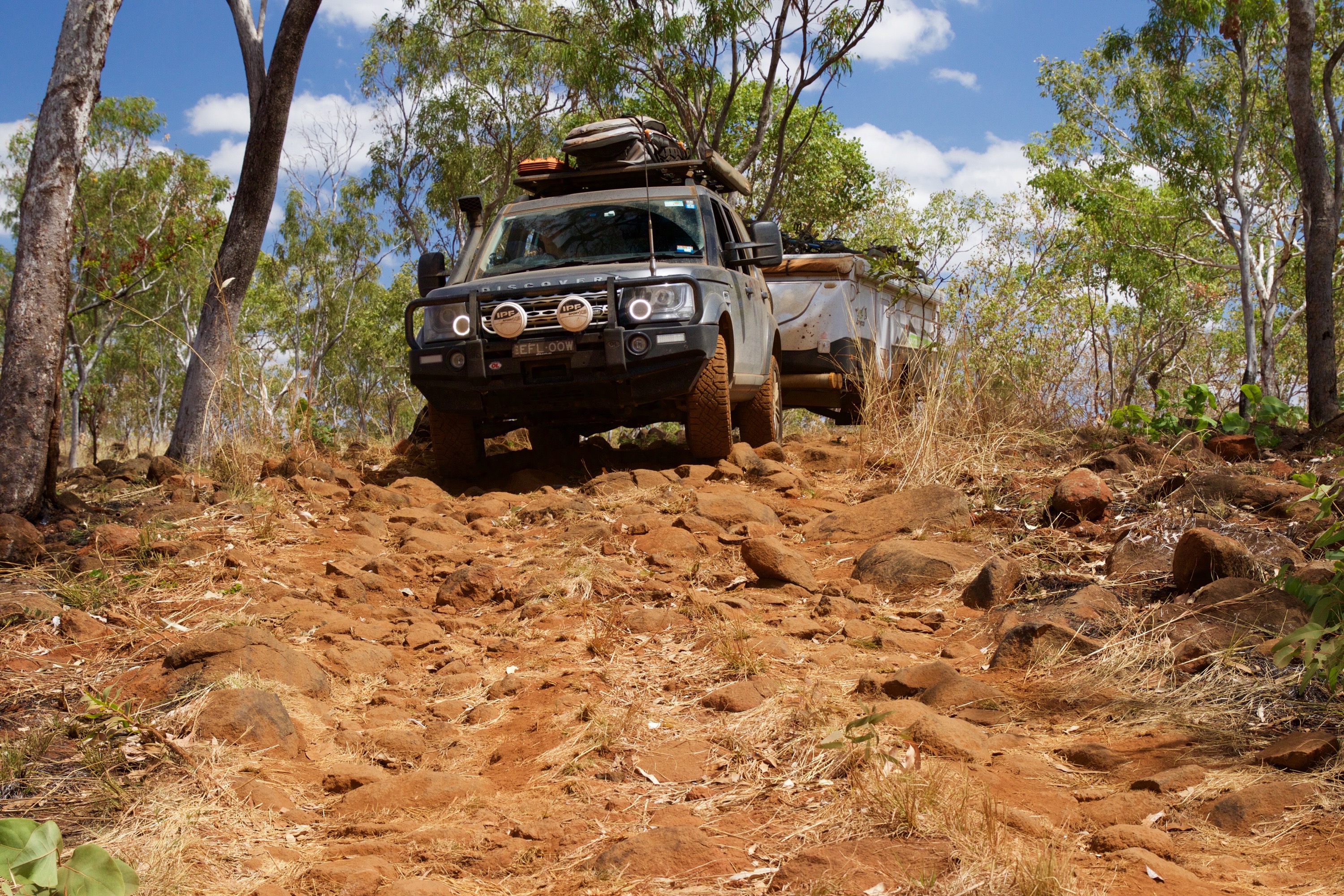
The Munja Track… the easy bit
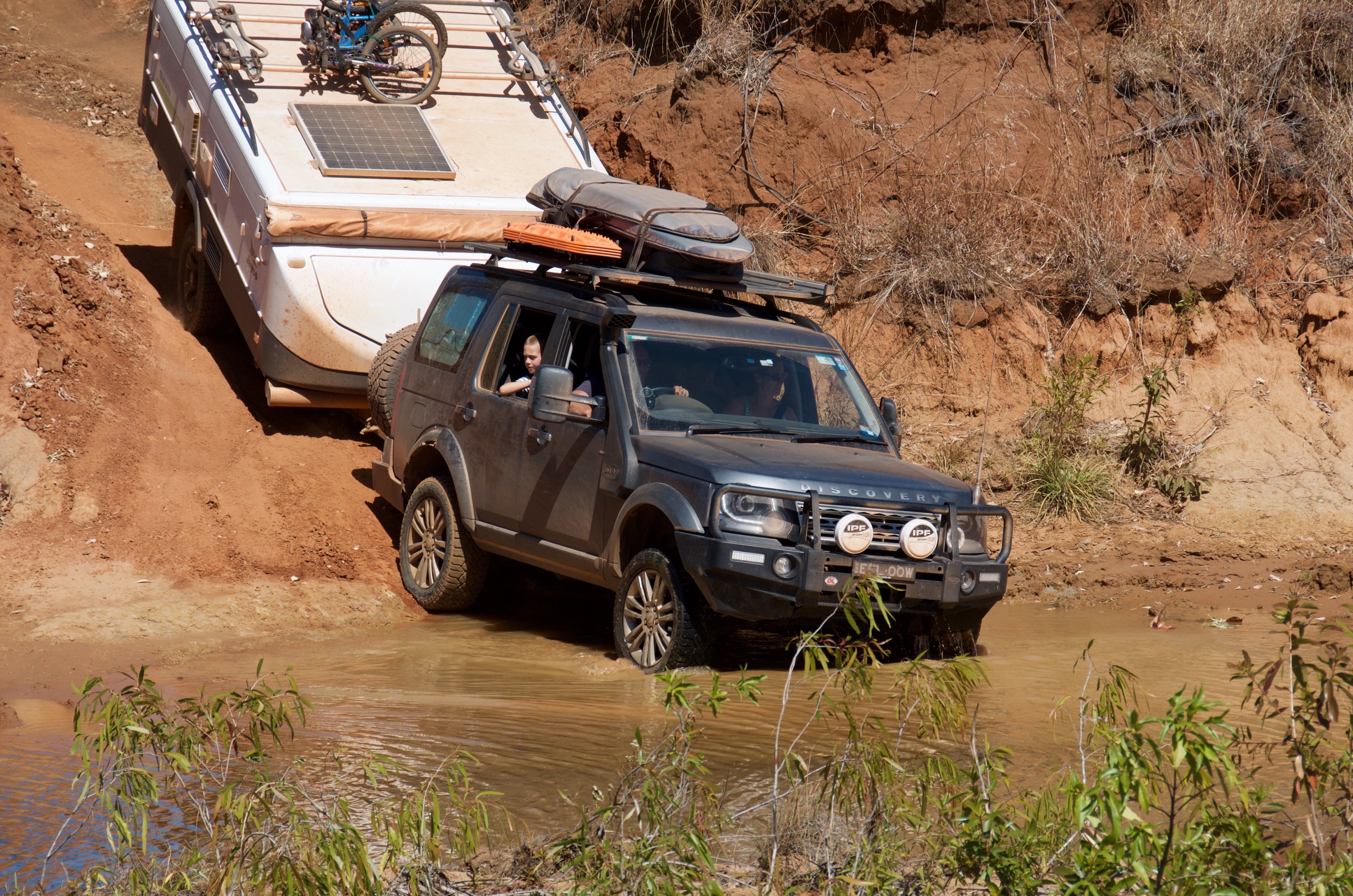
A steep river descent
The camp is truly remote but through the enthusiasm and ingenuity of the caretakers, Janet and Peter, you really want for very little. Solar power, hot water from a clever boiler, showers and lots of space with loads of water pumped straight from the river. Janet bakes bread daily, is always around with tea and milo. She cooked us all the most amazing 3 course meal (after we arrived battered from the track, but more on this later) finished with chocolate cake to die for!
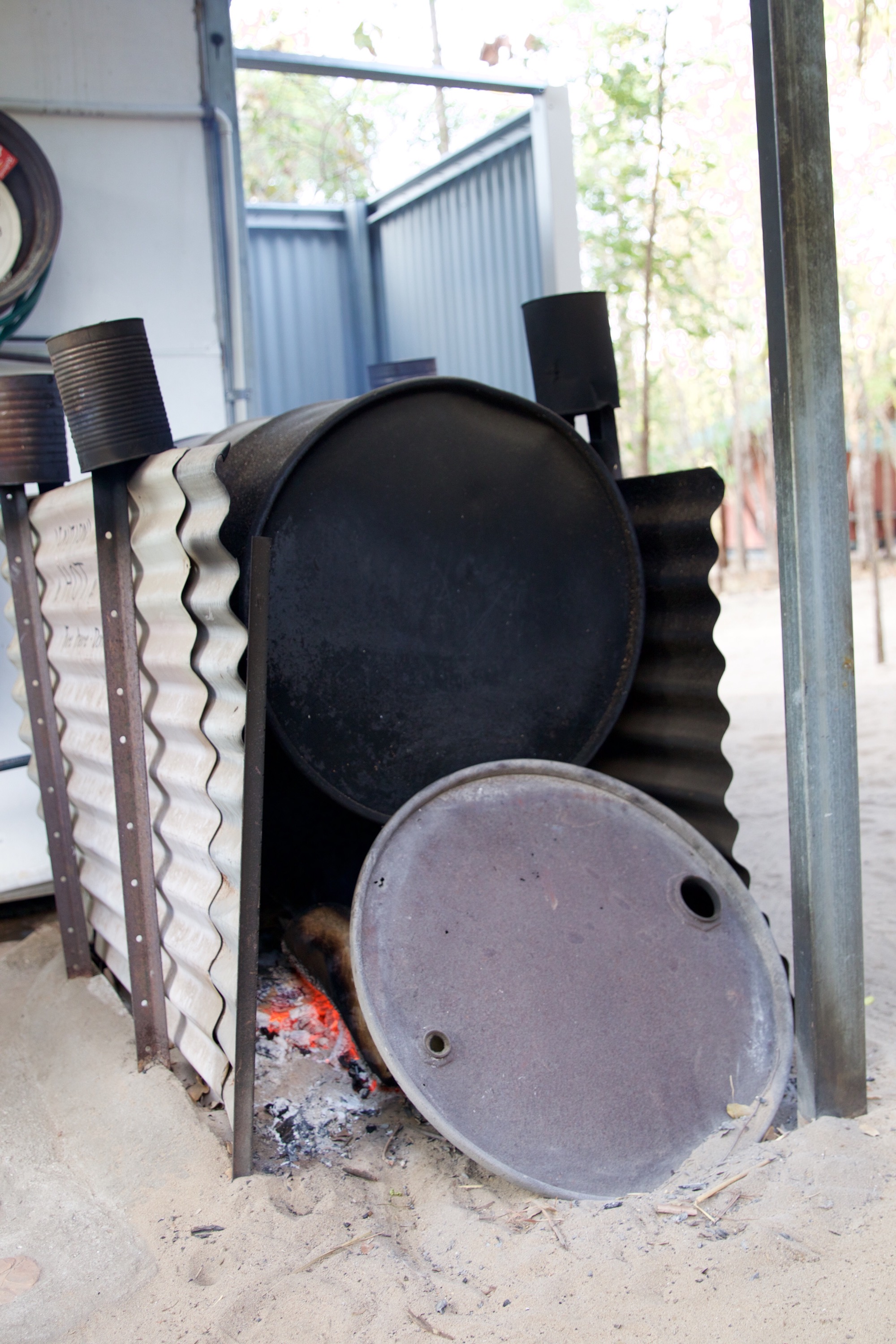
The hot water system…. clever and effective!
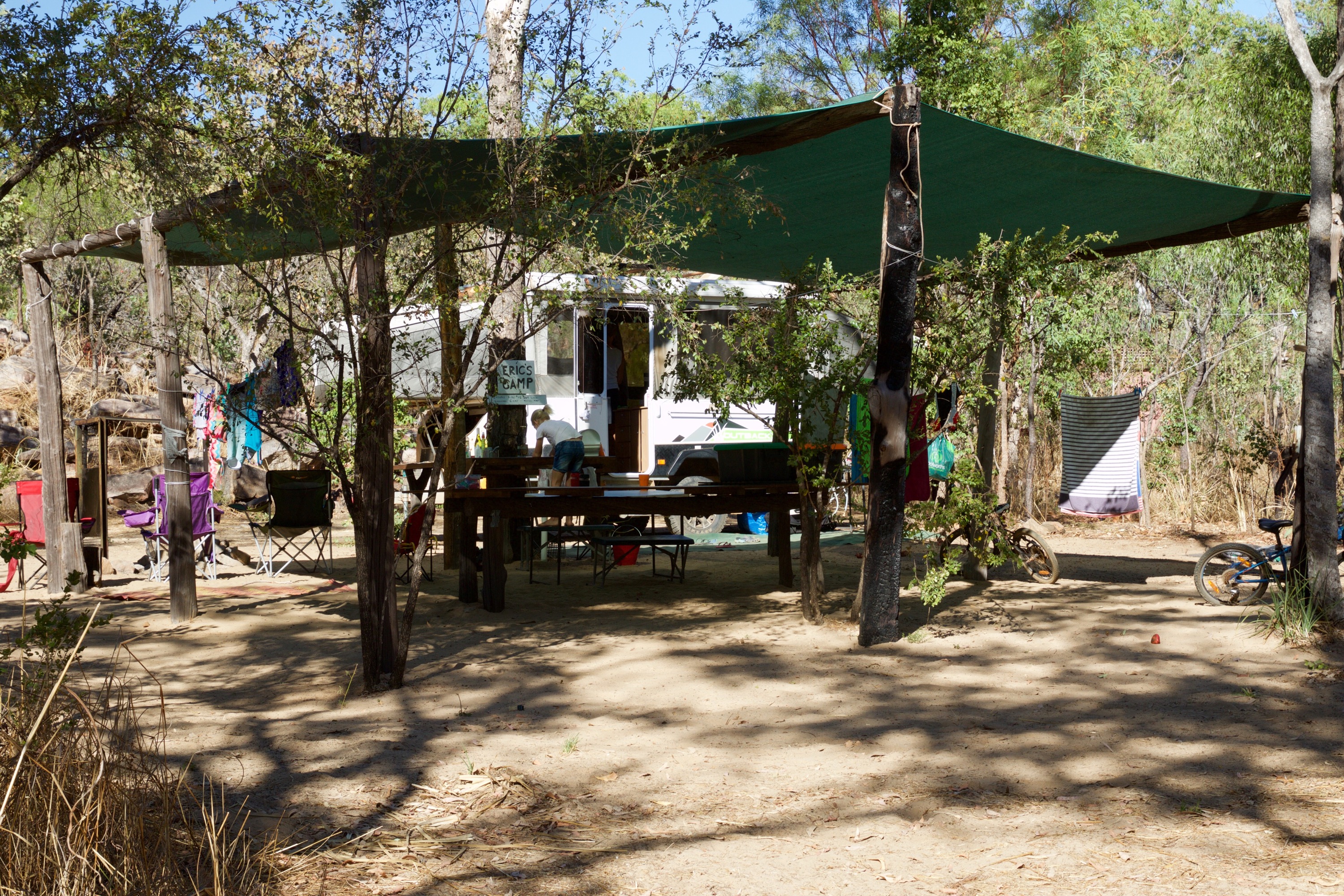
Our camp… luxury cosidering where we were
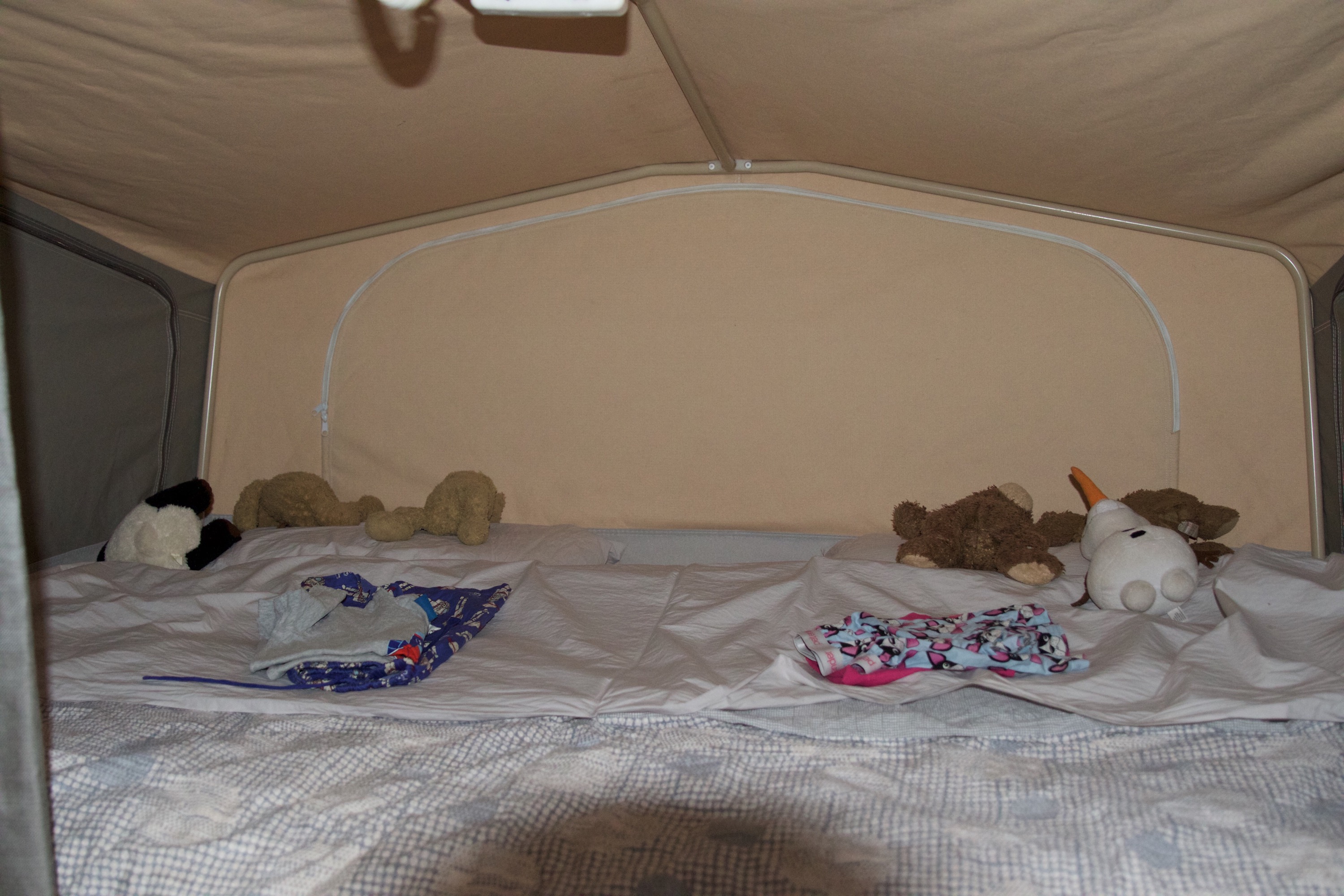
We even got clean bed clothes!
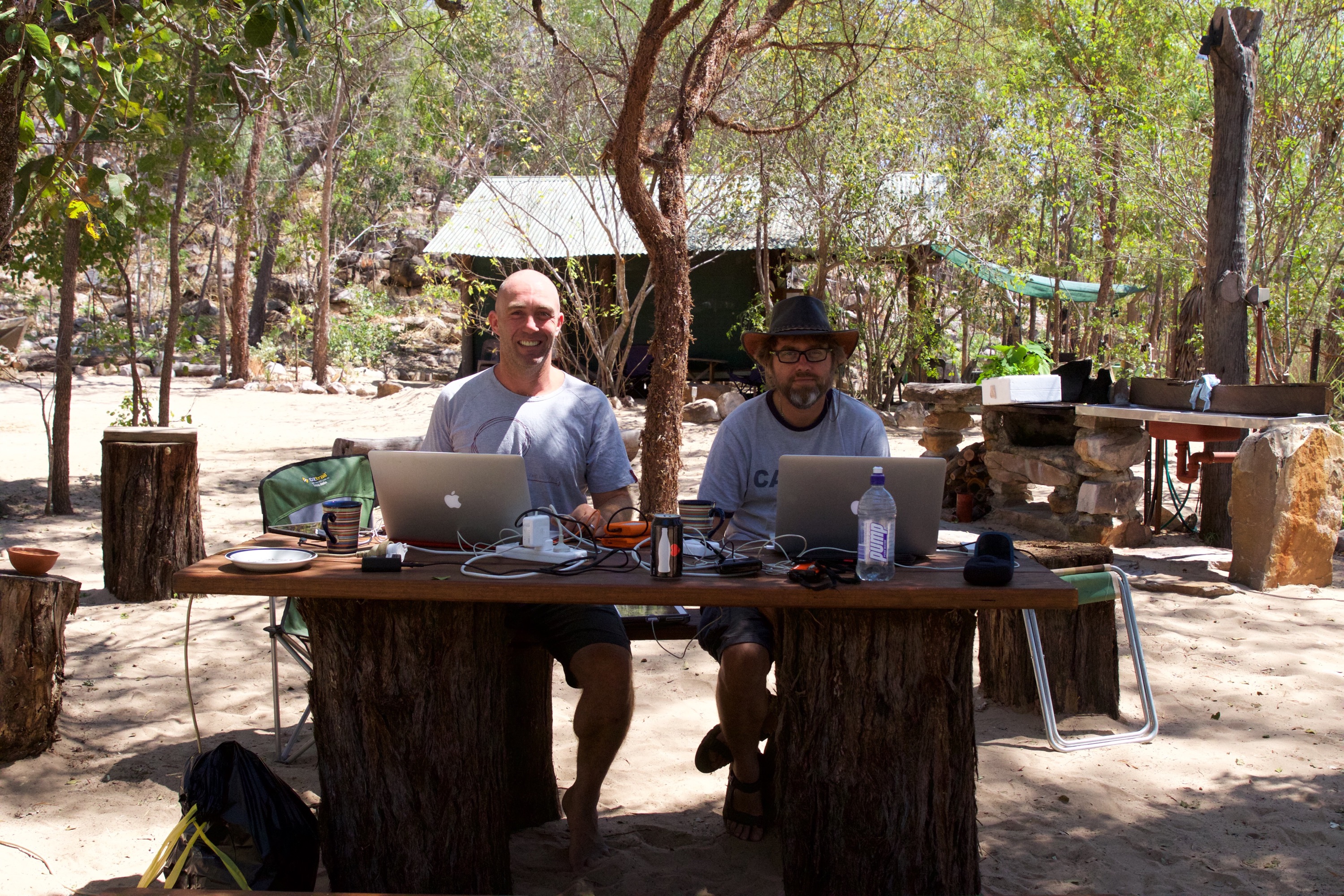
Sorting pictures. Solar power and an inveter, amazing
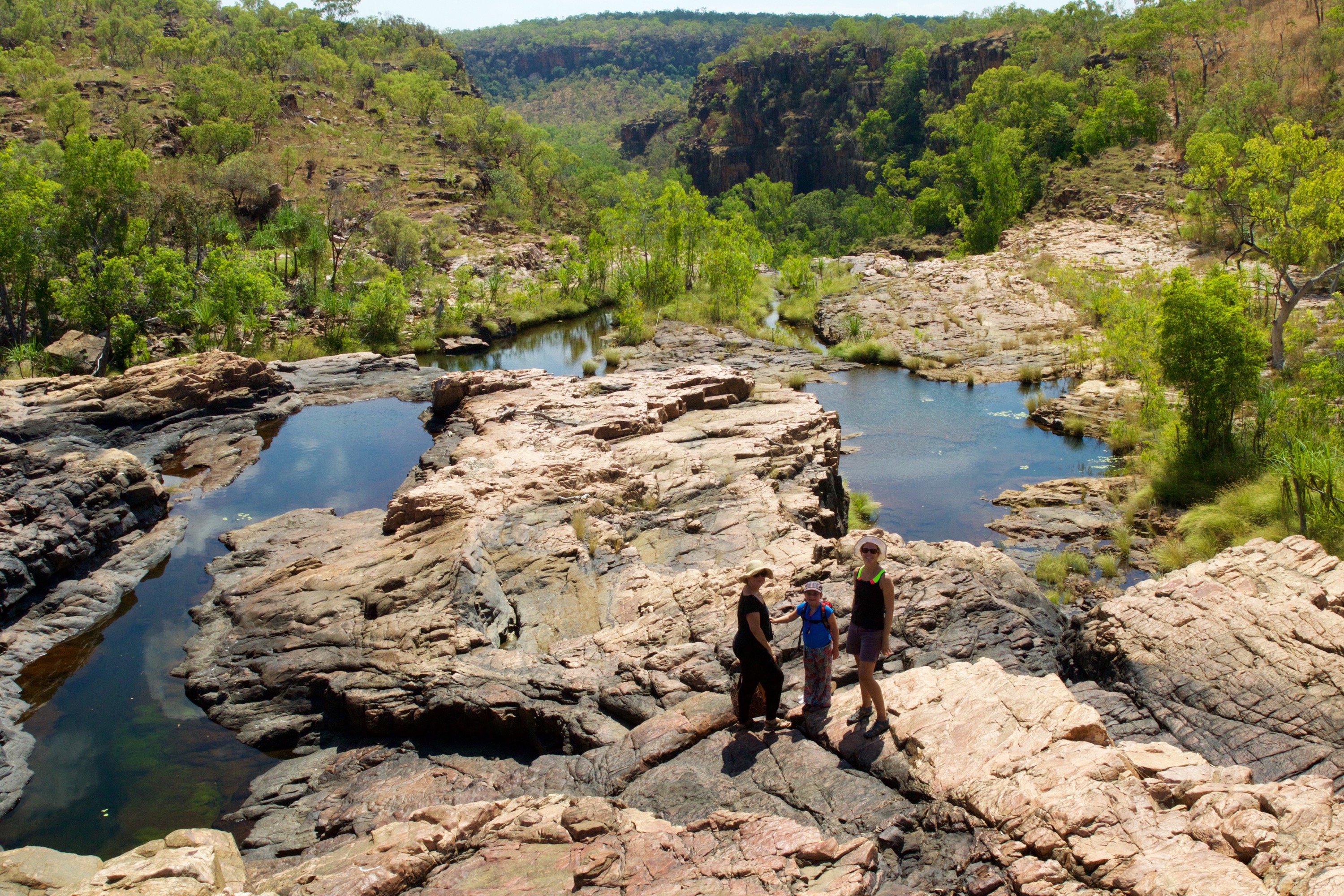
Ours days were lazy. Walks around the local area, with swims in the river and the remote billabongs. We walked to the spectacular Bachsten gorge which easily rivalled Mitchell falls but without the crowds and hype!
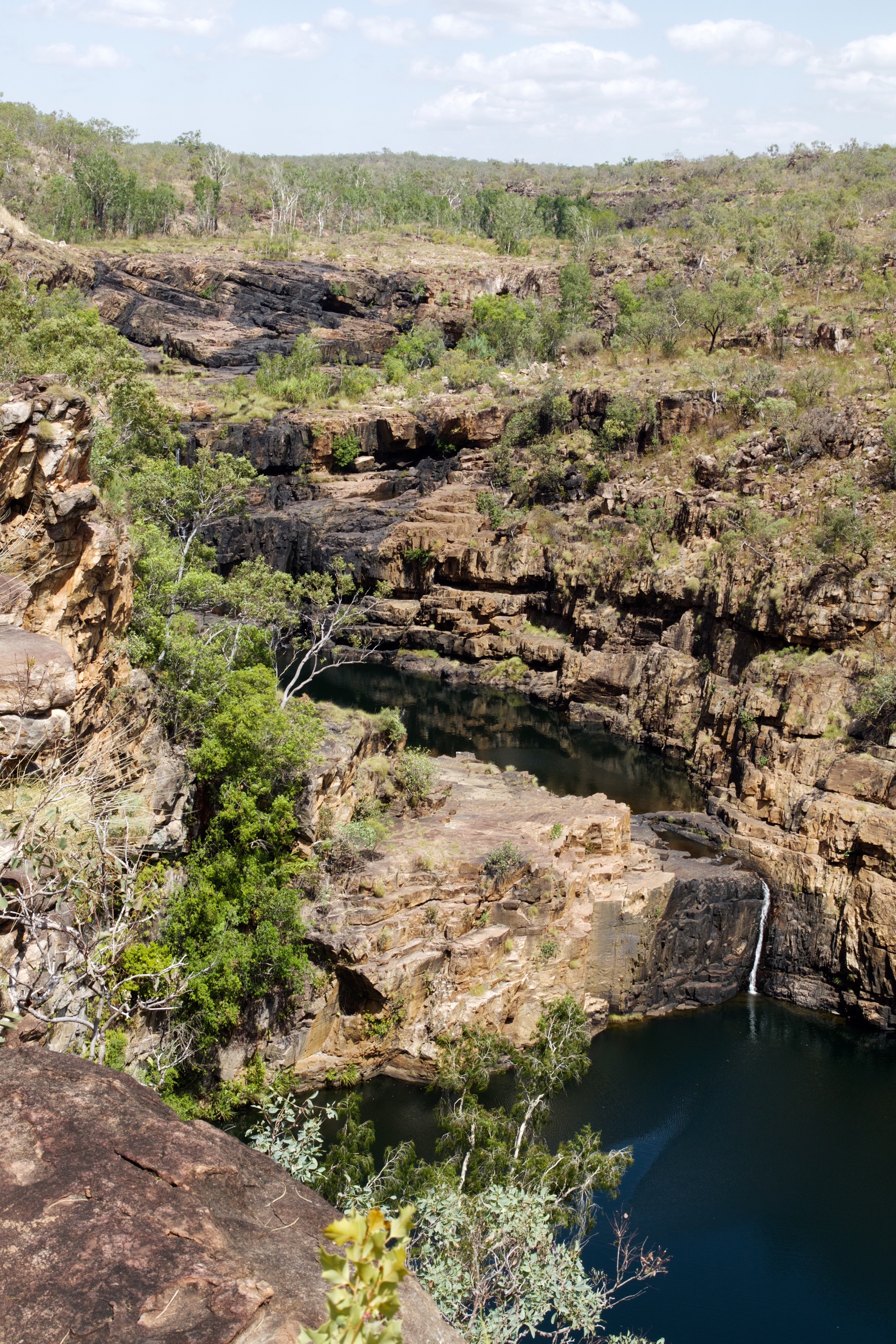
Bachsten Gorge, from the lookout, and climbing into it (below)
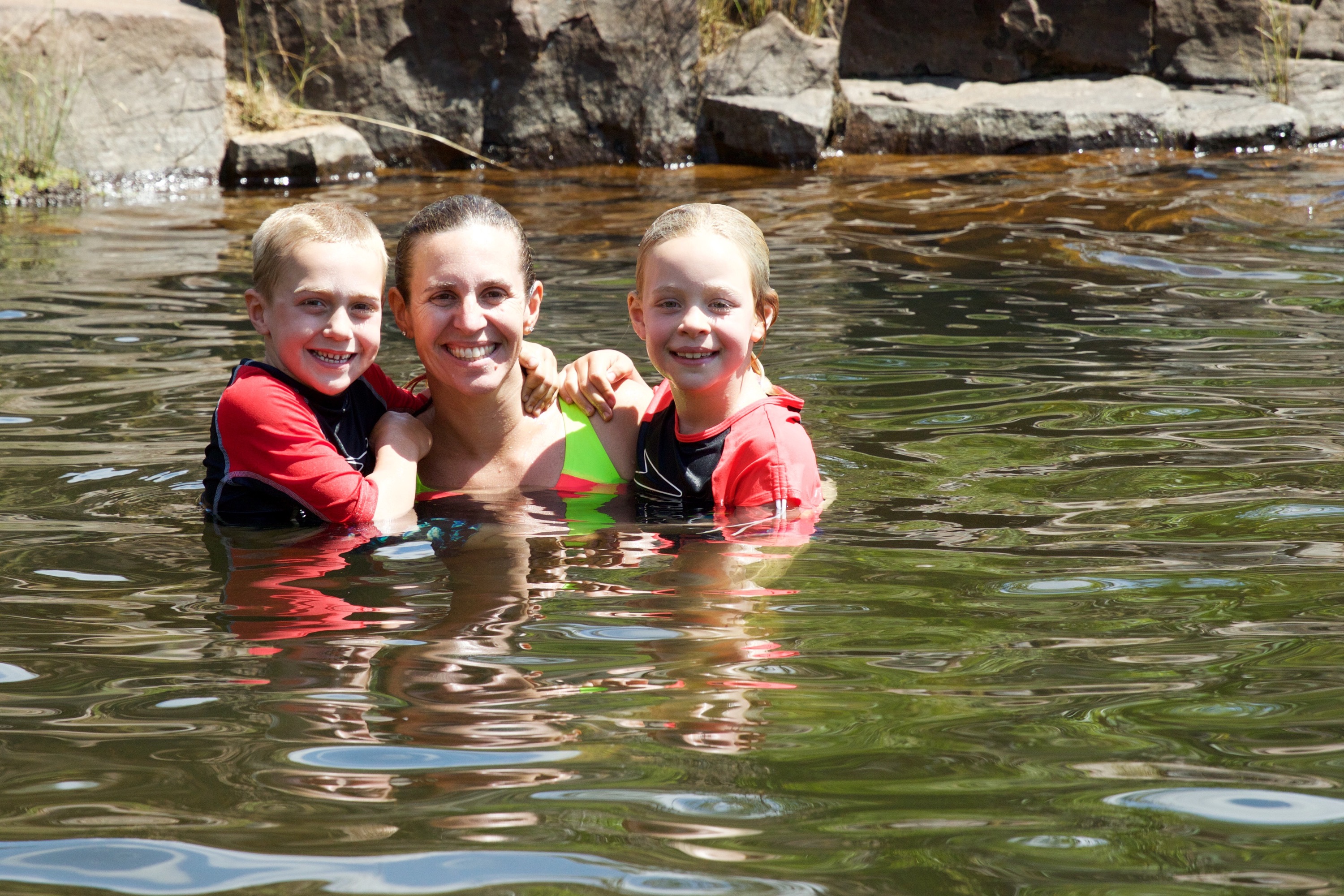
Swimming at the gorge
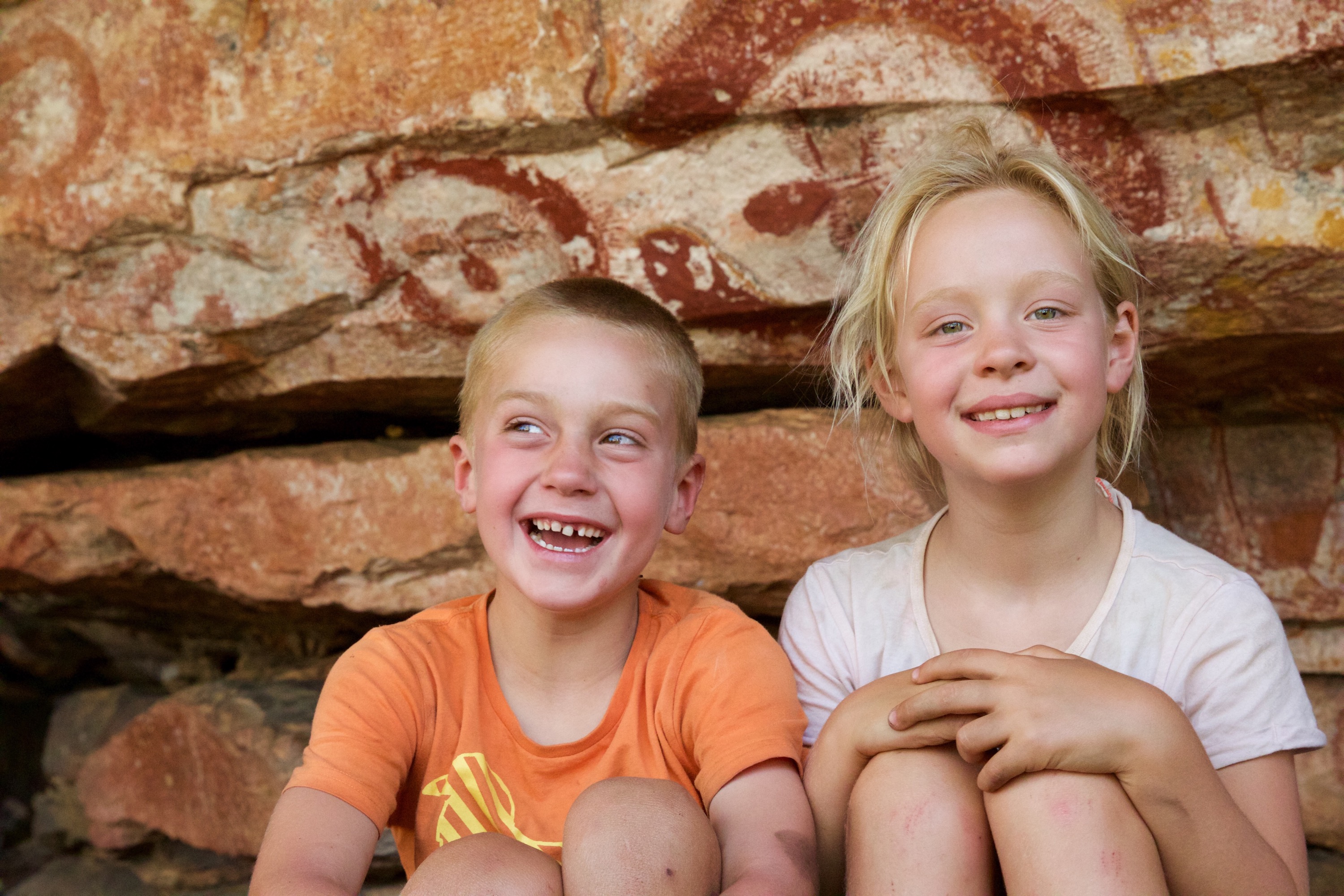
The whole area is peppered with art sites, nothing as detailed as Arnhem Land, but still incredible when you realise that you are looking at figures that when painted somewhere between 2 to 10 thousand years ago. There are lots of Wandjinas that are typical of the Kimberley art in this region.
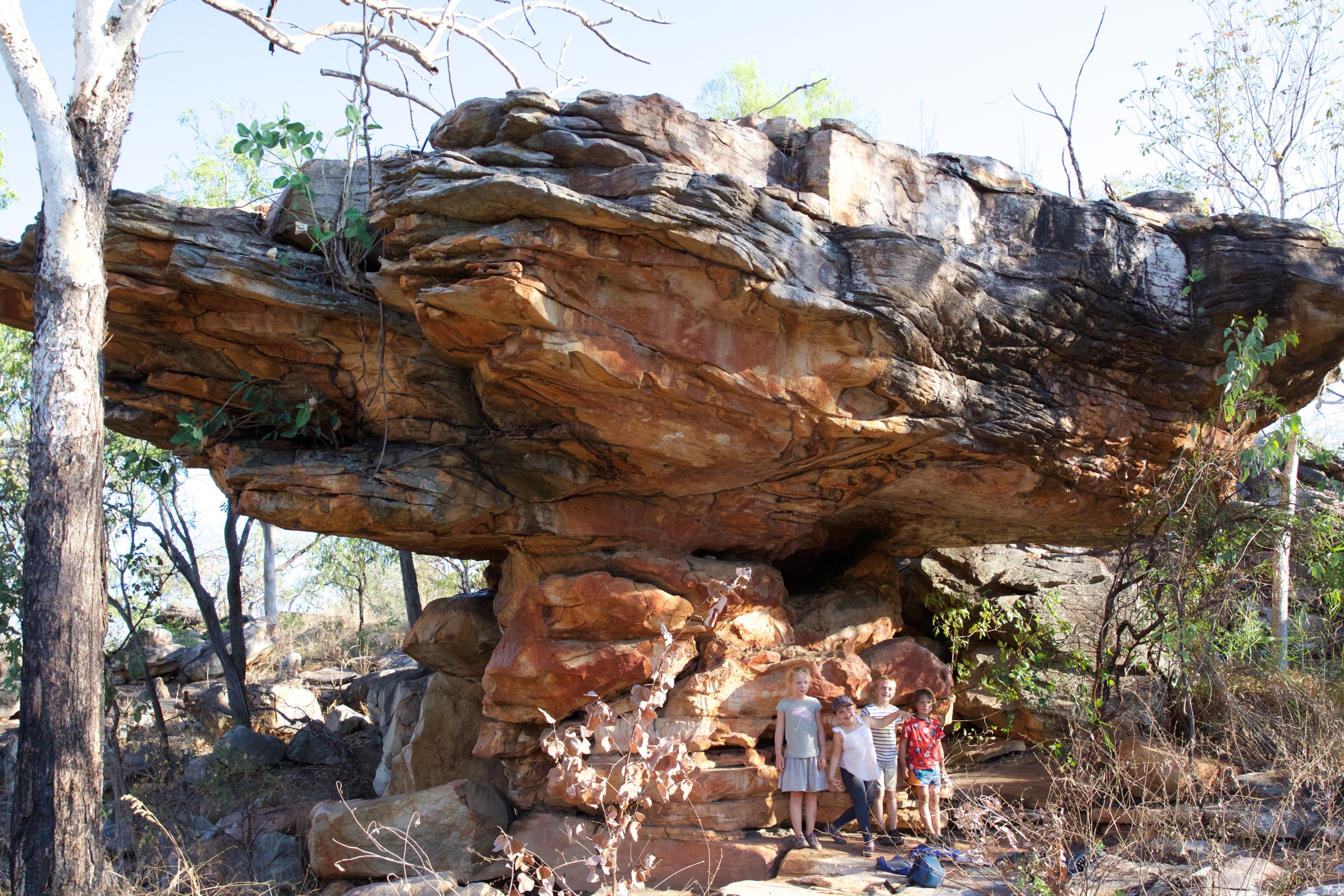
Mushroom rock art site
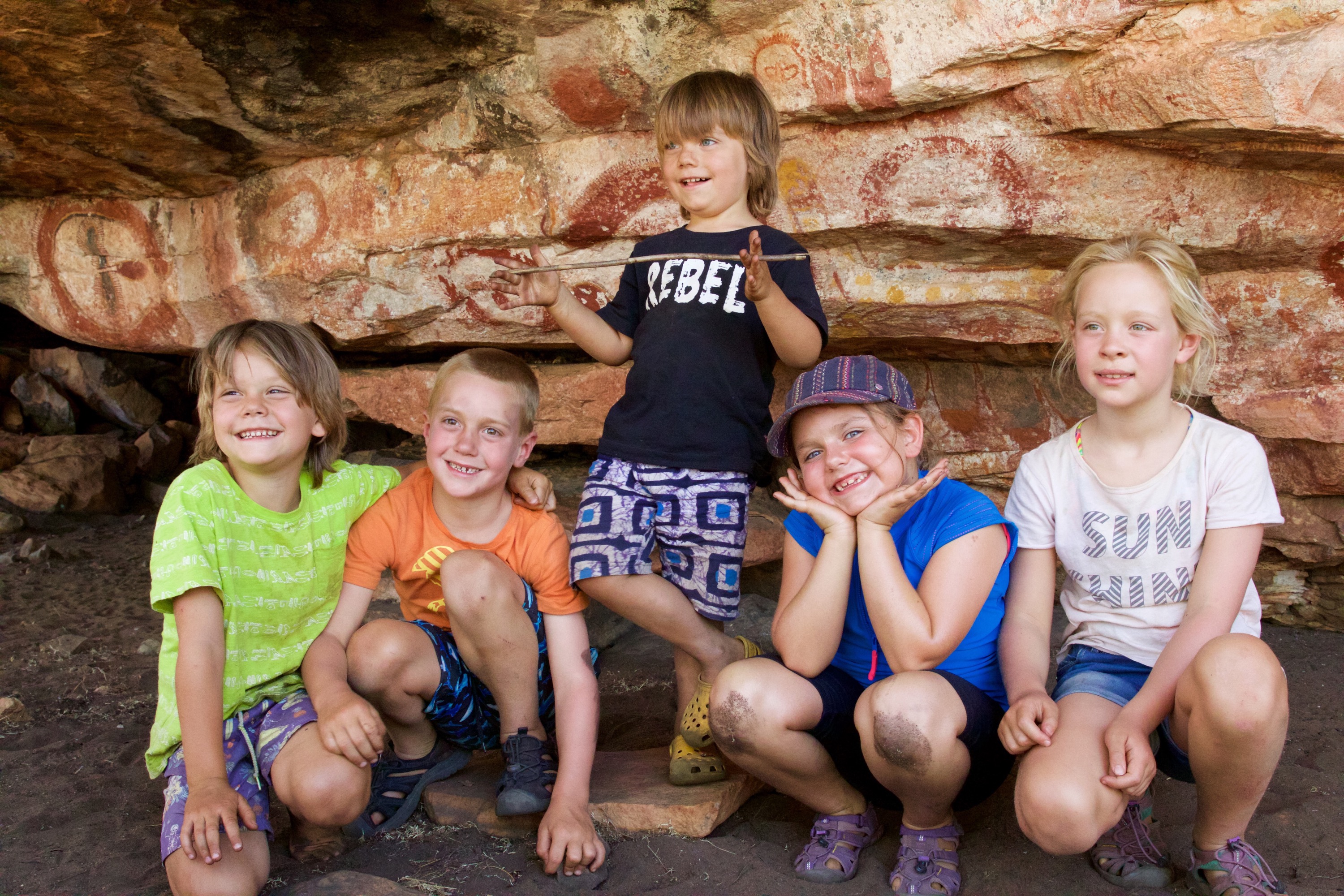
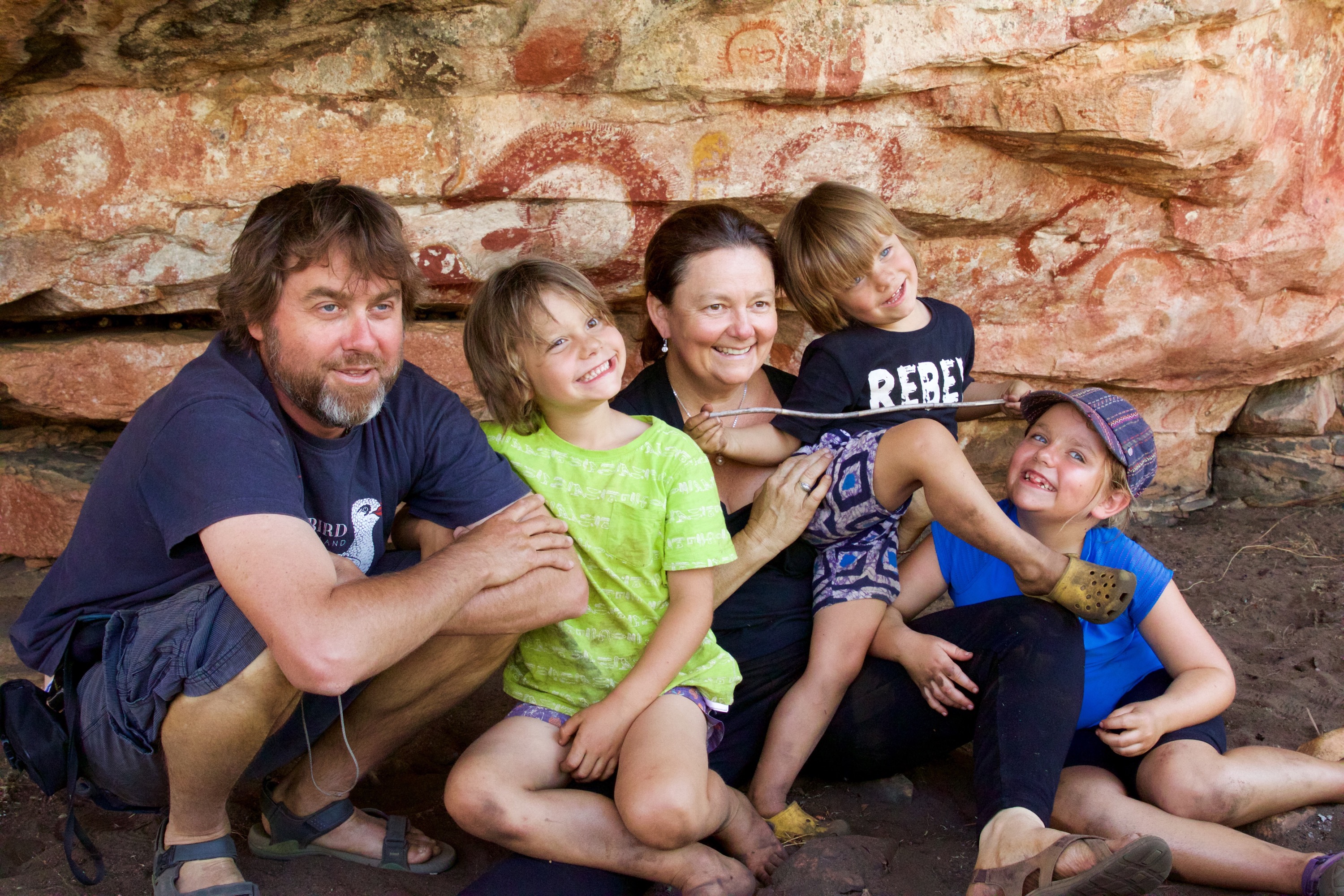
The kids and a few 2000 year old Wandjinas
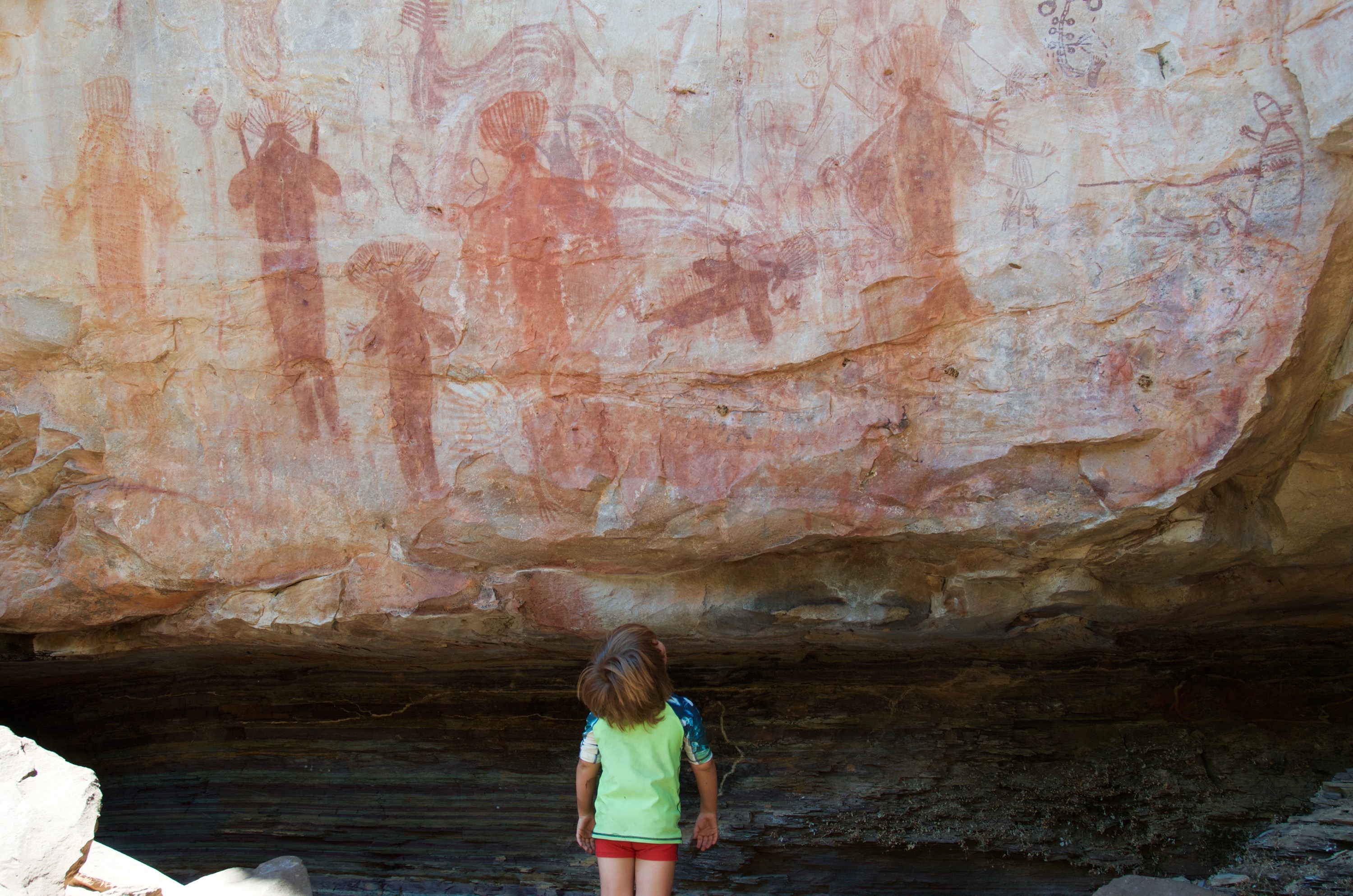
Luca checking out the art a Wren gorge
We even stumbled on a punishment circle, a site of ancient justice. In these circles, the murdered body was left in the centre and allowed to ‘ripen’. At some point it was punctured and the juices flowed towards a stone in the surrounding circle that represented the person that needed to be punished for the crime. Crude, but probably a very effective deterrent!
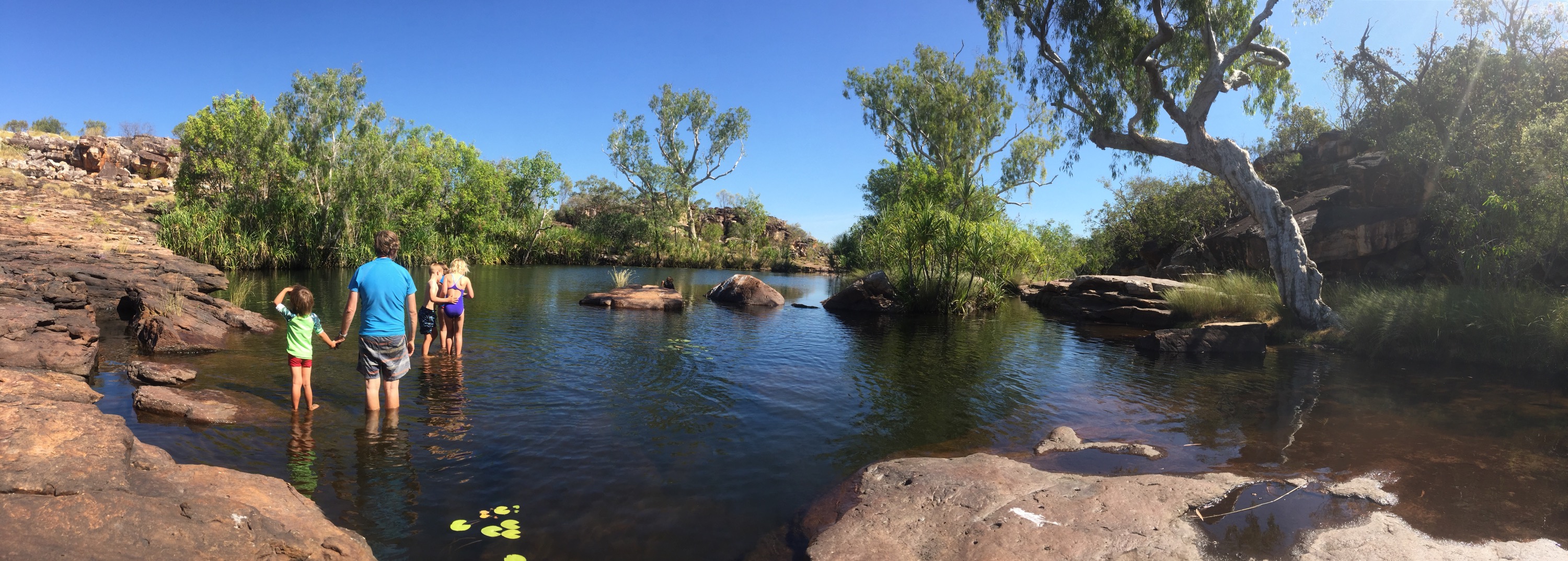
Wren gorge
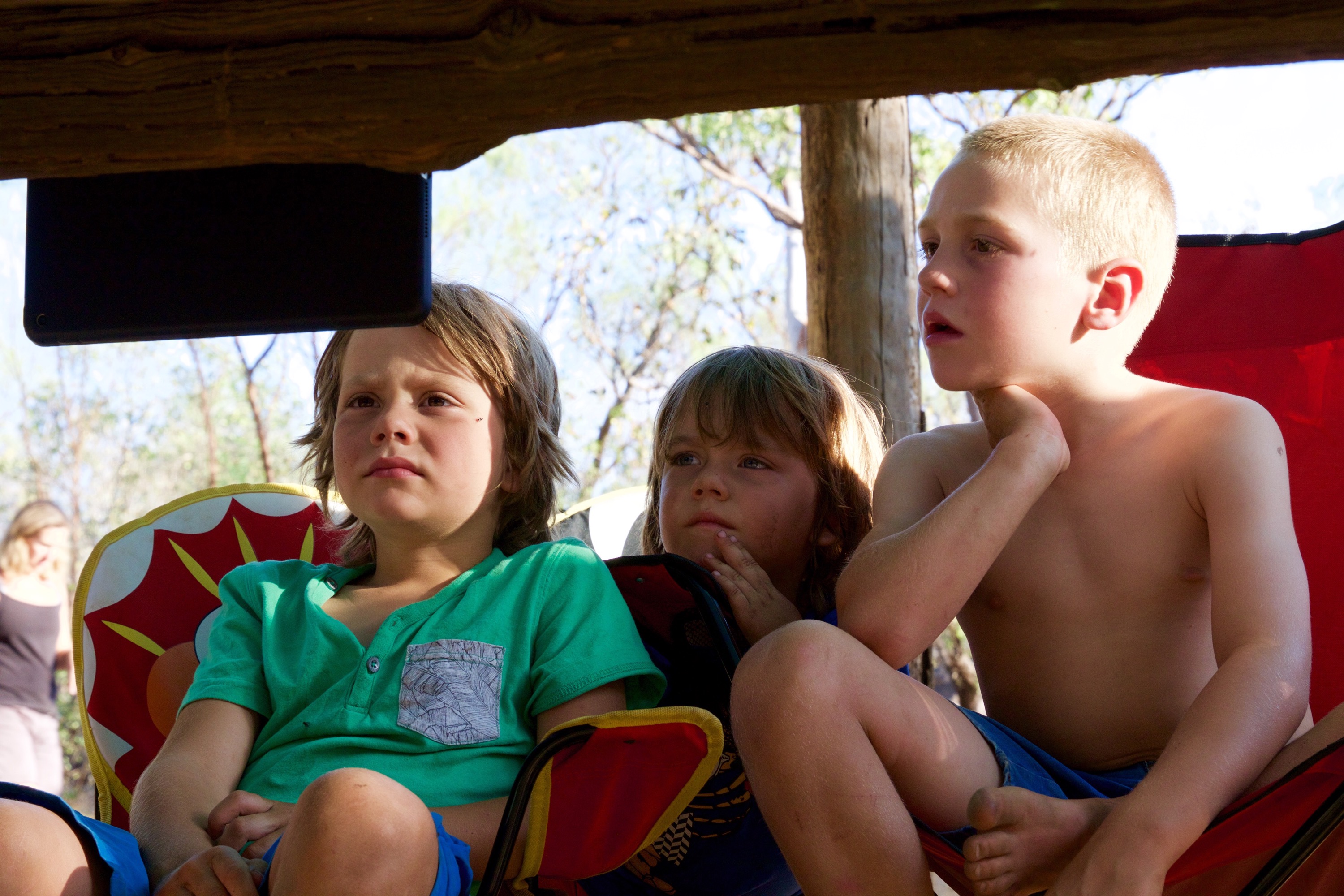
The boys watch a movie in their remote cinema…
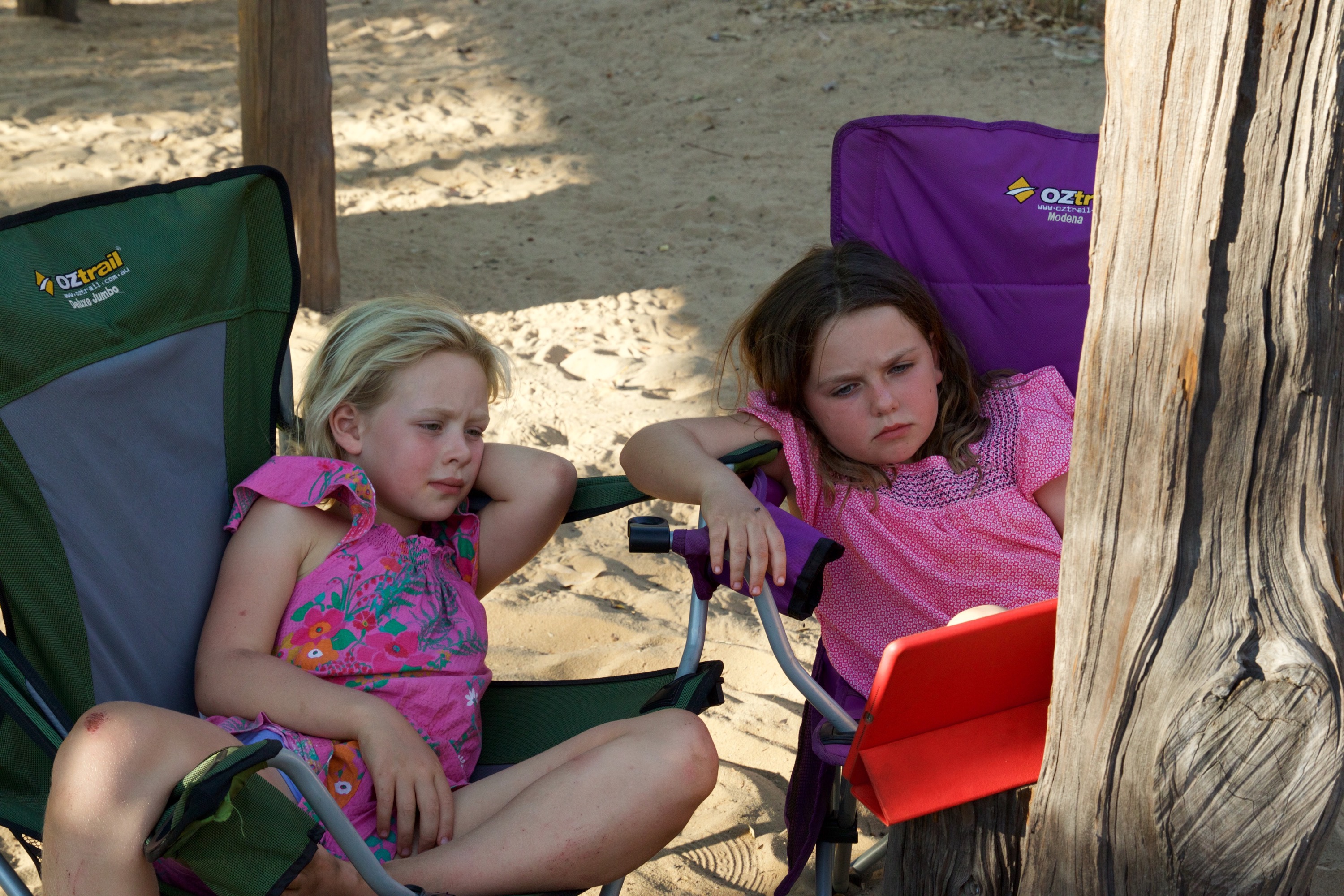
The girls are more relaxed!?
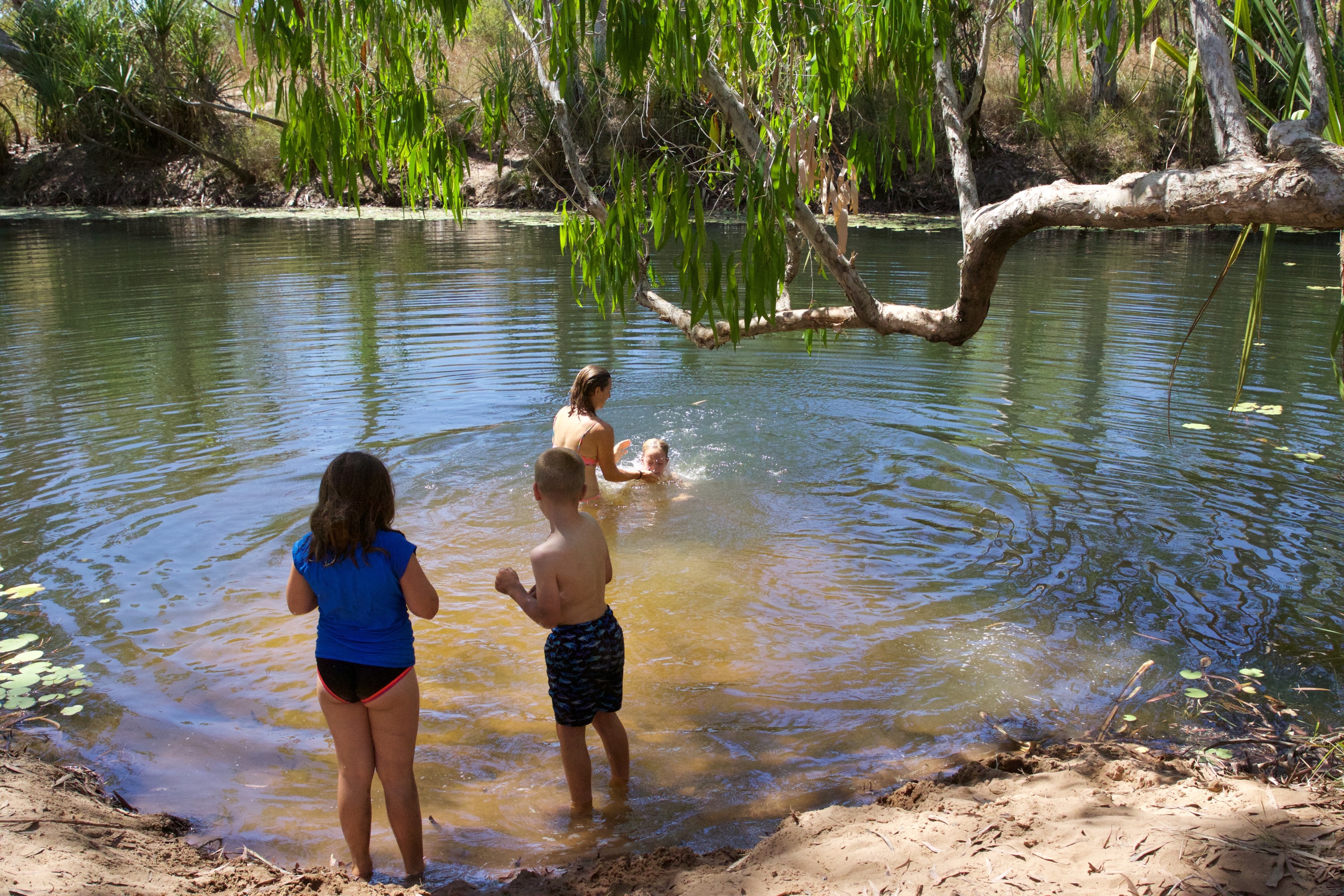
Not all iPads….swimming at the camp site
The Munja track was some of the most spectacular country that we have drive through with constantly changing expansive vistas. It was always going to be a challenge for us, particularly towing a 1.5 ton camper trailer. The 146km track goes from Mount Elizabeth Station to the camp. It has 3 jump ups, Magpie, Figtree and Bachsten. These are the rocky, often steep sections where the track needs to cross ridges. It had many river crossings, that ranged from shallow rocky crossings to deep ones with steeps sides and sandy exits where it was difficult to maintain traction and lots of sand and mud passages, that fortunately for us were dry.
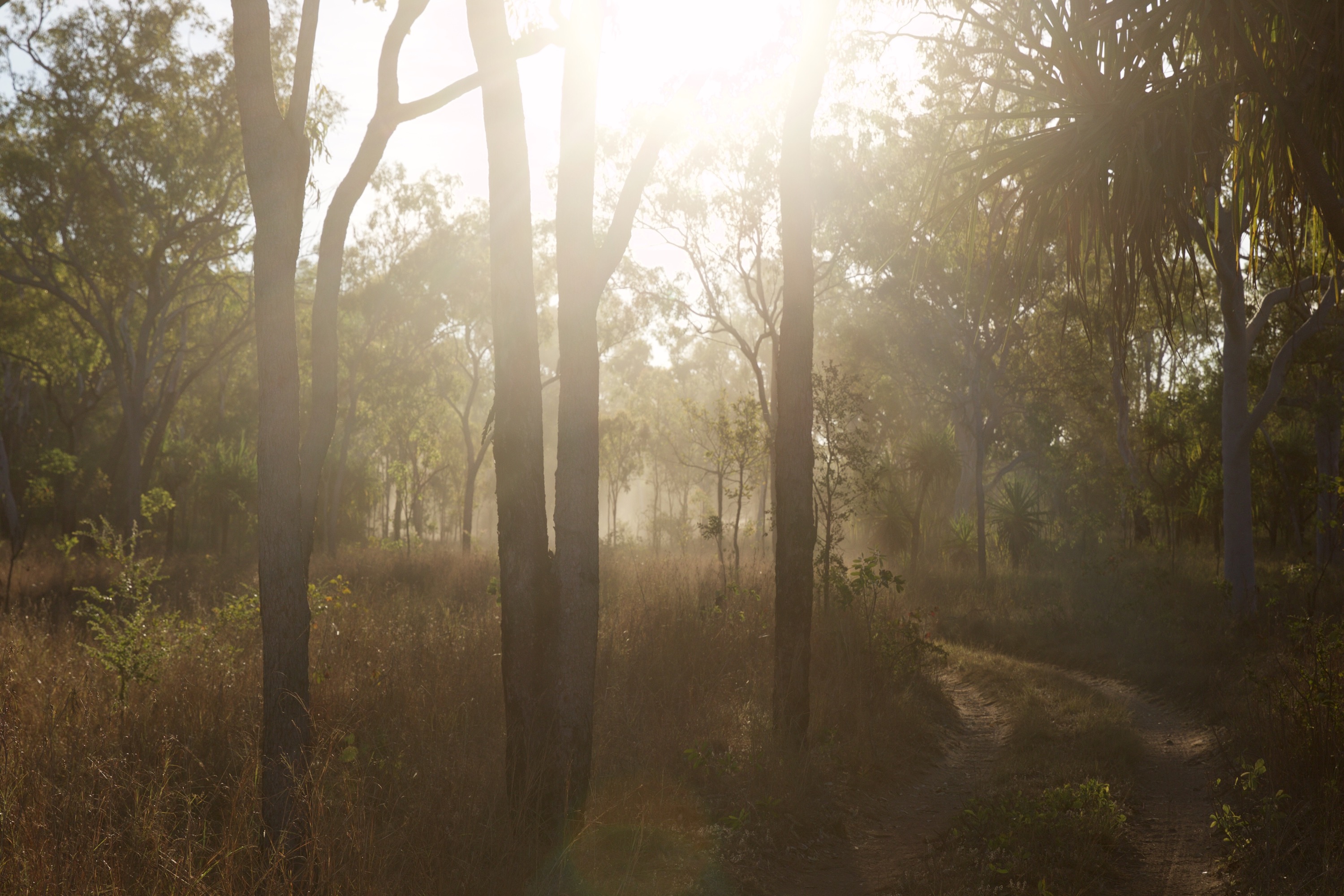
Sun through the dust of the track

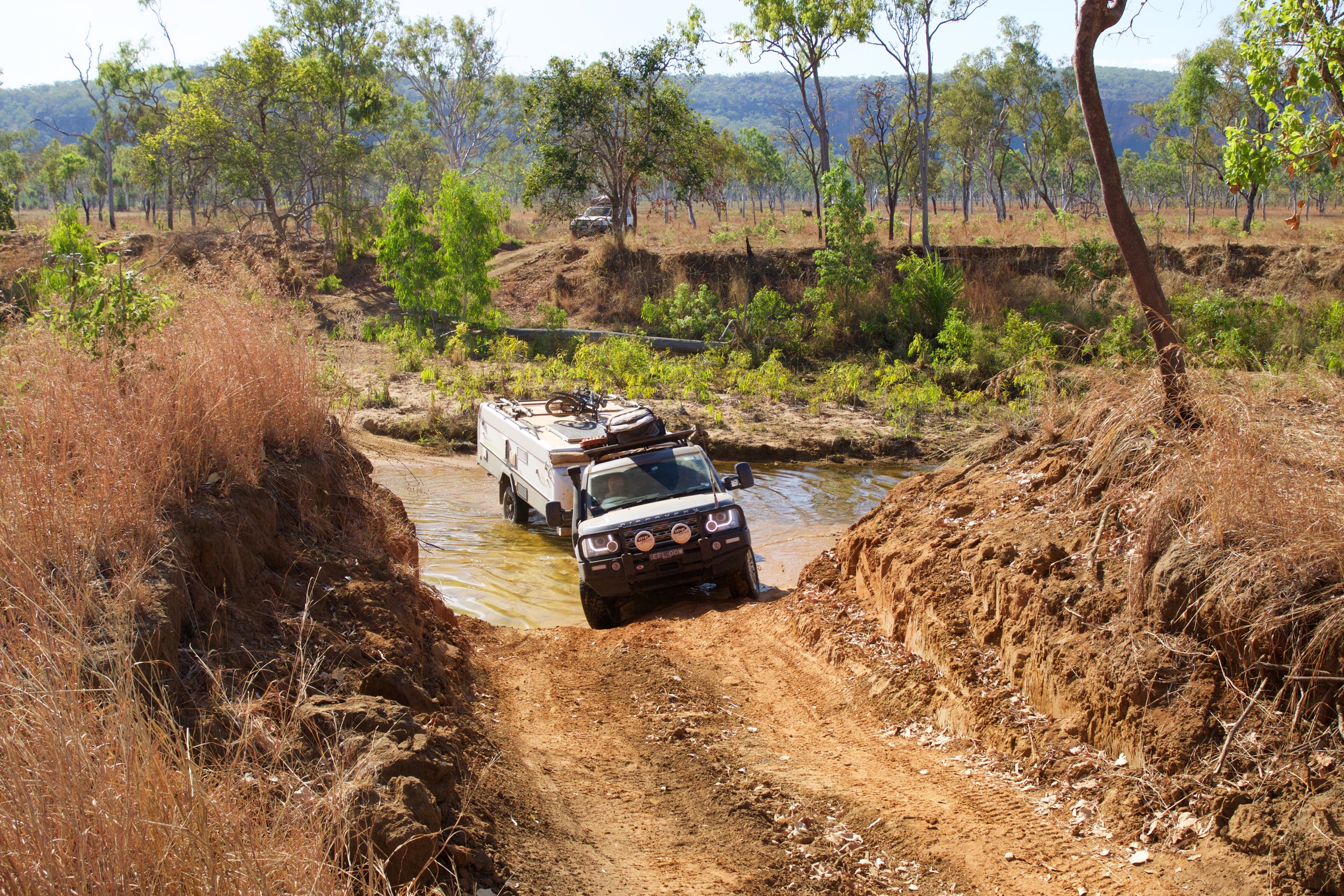
The trip out was remarkably uneventful apart from losing the pole carrier off the back of the trailer (luckily taken to Mt Elizabeth by another traveller and collected at the end). It was just slow with true off road driving; narrow tracks, rocky sections and creek crossings that often required the full capabilities of the car. It took us 9 hours to do the 146km averaging only 17km/hr.
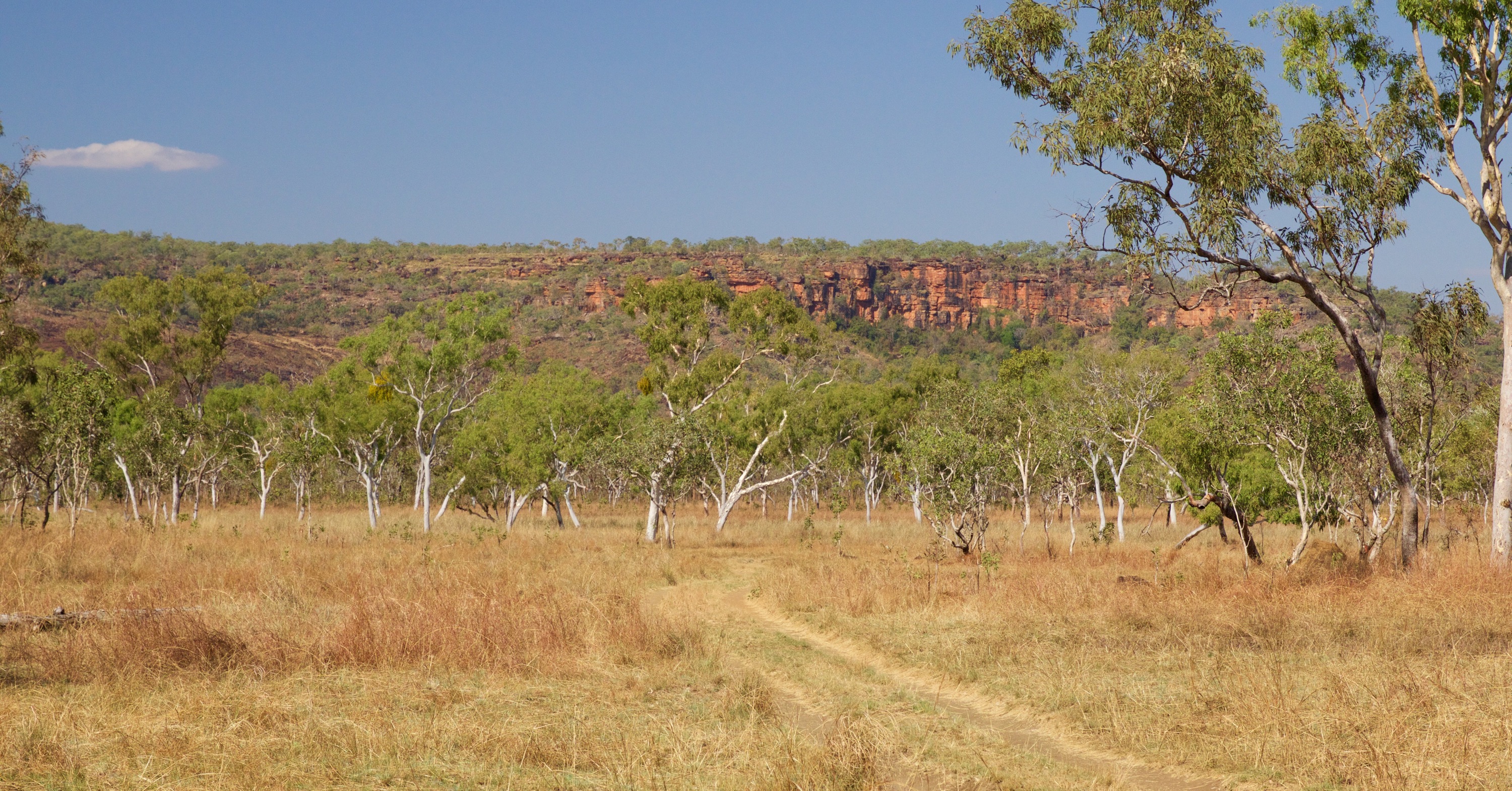
Ghost gums against the red escarpment… stunning vistas
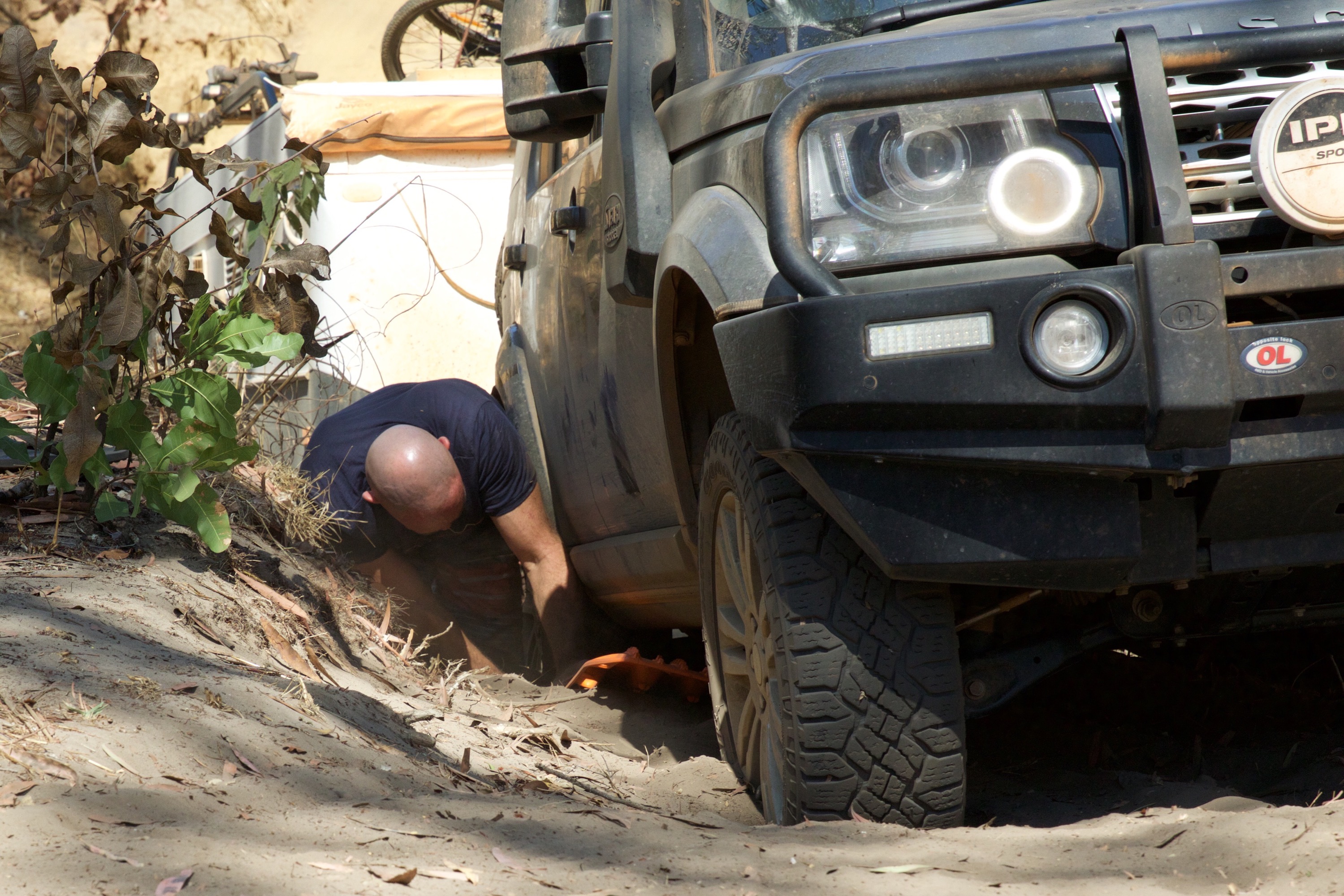
Digging the car out and getting the maxtracs under the wheels!
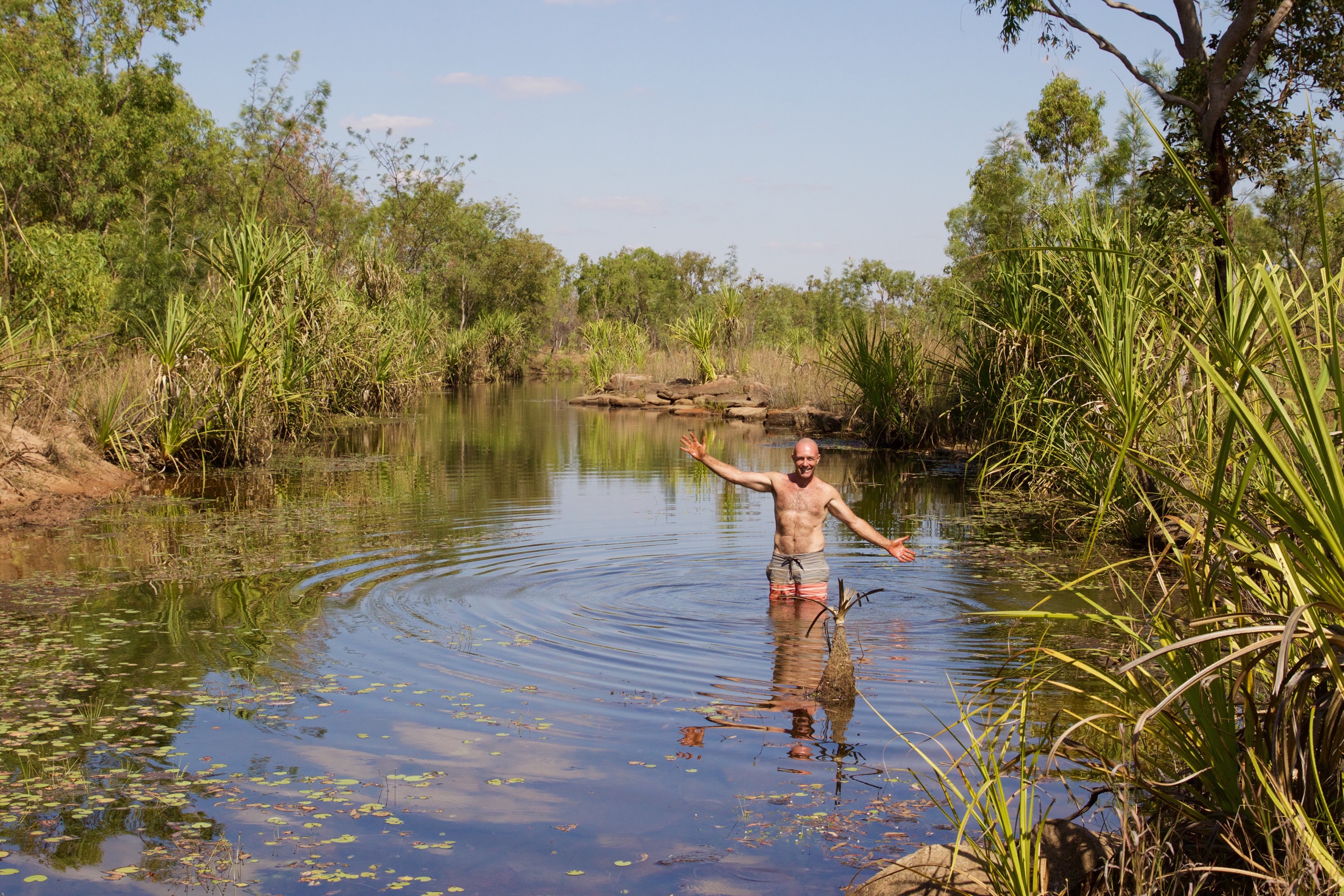
A necessary wash in the next river crossing!
Paul and Emma weren’t quite so lucky with a large rock bashing their gear box and causing their car to make a shuddering noise for the rest of the journey. This then involved much discussion around how we would all get back without one of the cars luckily this was not required and they managed to get safely to Broome.
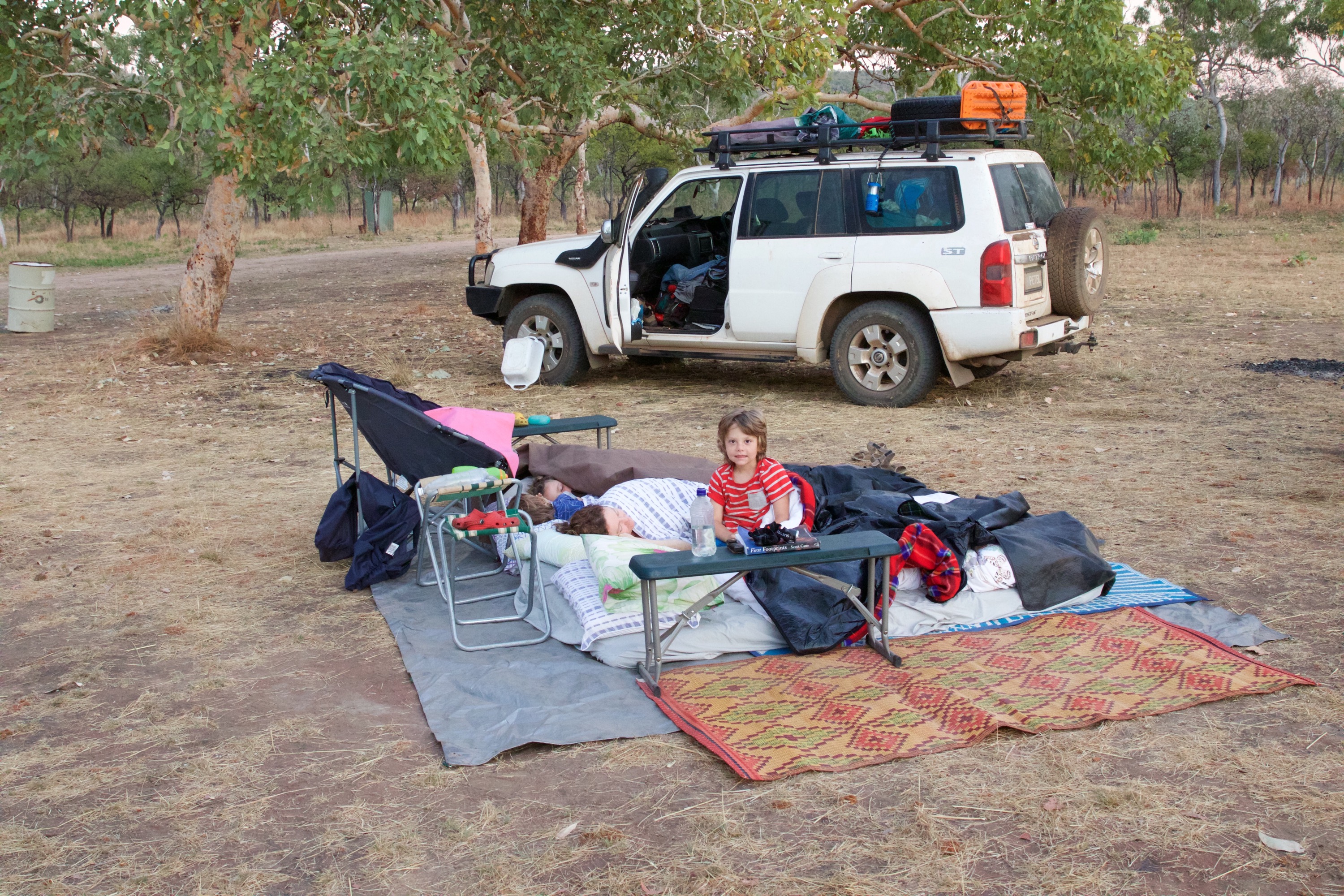
No camper… sleeping under the stars
Fortunately we had planned an overnight stop halfway along at Turkey Creek which with all our incidents was a welcome relief and the Goldrick’s camped out under the stars as their trailer was still in Kununurra.
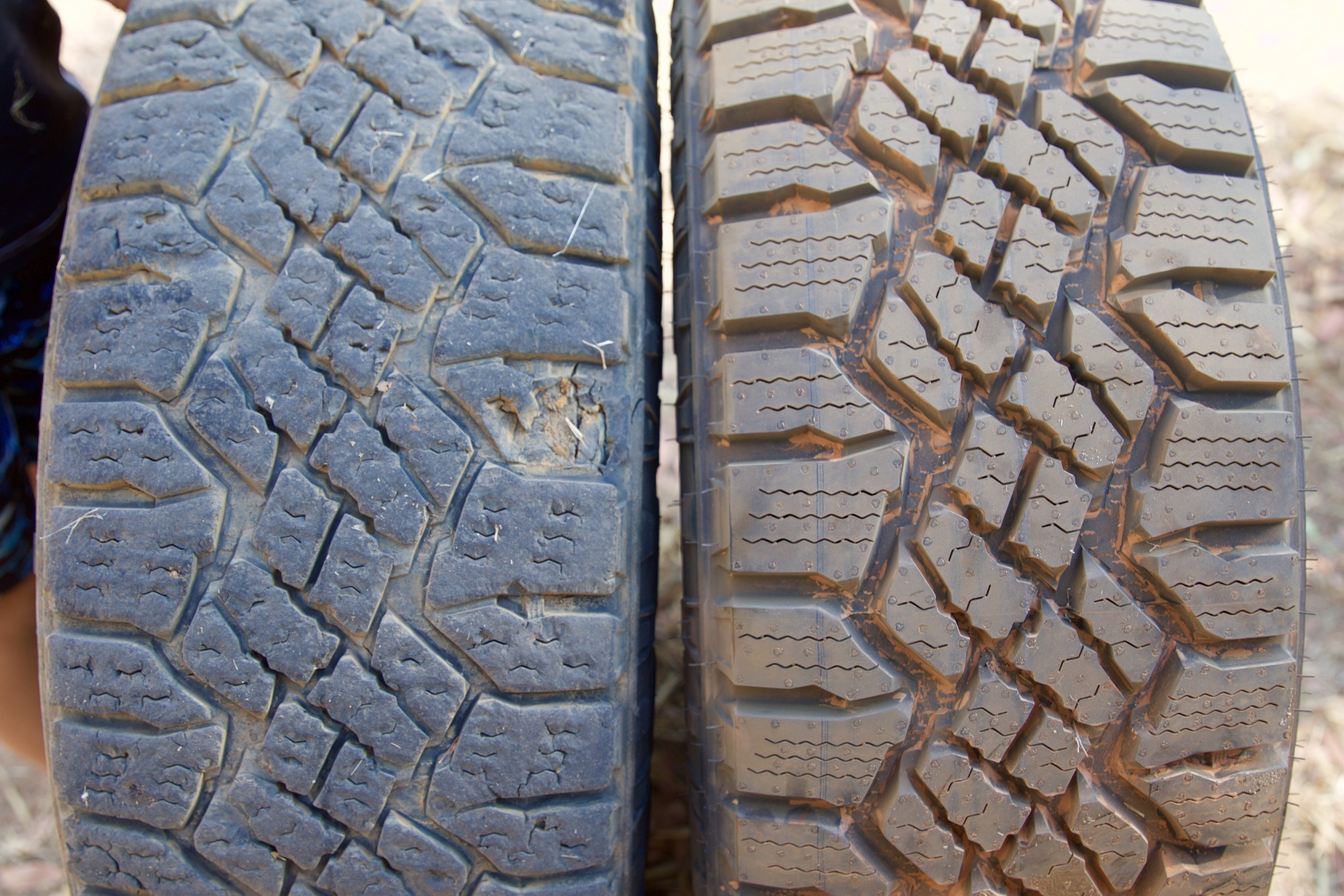
Before and after…. 15000km with the last 3000 off road


 Chasefloow Around Oz
Remarkable and adventurous story of an amazing trip- almost feel the bumps.
LikeLike
Great blog-One question-how do you take photos of your car going through rivers? Is Sarah wearing waders?
LikeLike
Nothing special, just wet and muddy feet and if deep enough wet shorts… gross! The 4×4 course recommended walking across all the river crossings… “if you can walk them, you can drive them”. They did not advise on what to do when there are potentially crocodiles in the river… we usually are working on the theory that the crossing are used frequently enough that they are ‘crossable’. We have both lost or broken thongs on the bottom of muddy rivers!
LikeLike