 December
29
December
29
South Australia
December 20-29
Nine days does no justice to South Australia, so we chose a few highlights whilst heading back towards our Sydney deadline.

Rugged coast around Elliston, south of Venus Bay
We spent two nights at Venus Bay rather than its more famous Eyre Peninsula neighbours of Streaky or Smoky Bay. Our rationale was to avoid the holidays crowds and we were rewarded with a cute and remarkably quiet campsite nestled on the inlet. There was lots of time for exploring the rugged coastal cliff tops by foot and by car. Our surfing plans were highjacked by a foreboding 2 meter swell that was a little out of our league! But we put the extra time to good use fishing from the local jetty and finally, I think we have got it right, adding reasonably sized and edible Snook and Silver Trevally to our repertoire!

Silver Trevally
Our next stop was Coffin Bay, at the south west tip of the Eyre peninsula. It is famous for its oyster farms, but also for its fishing, headlands and incredible remote beaches. It was named by Matthew Flinders on his 1802 circumnavigation of Australia for one of his friends, Isaac Coffin, who had helped him plan the journey.
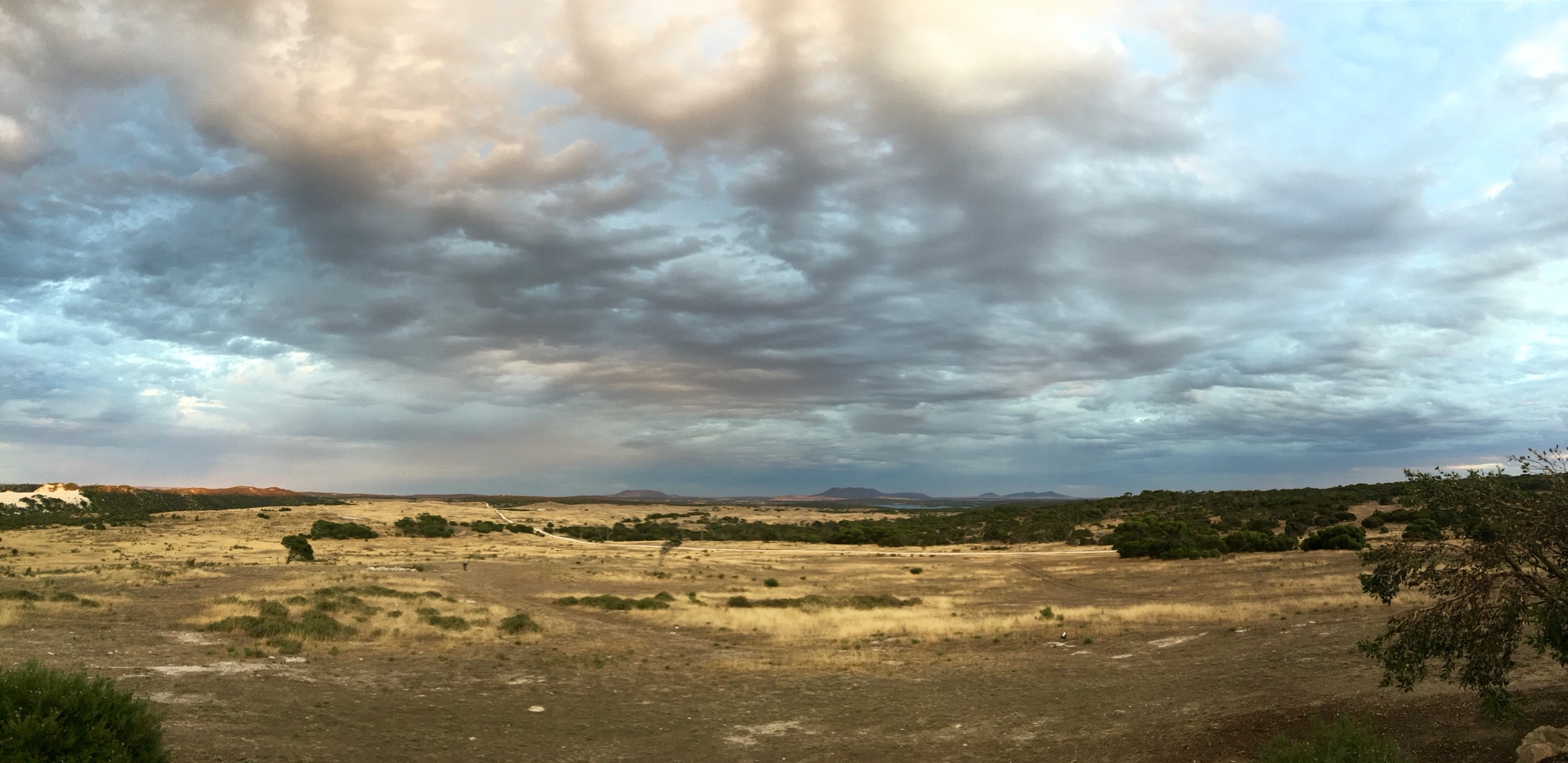
The view from Almonta
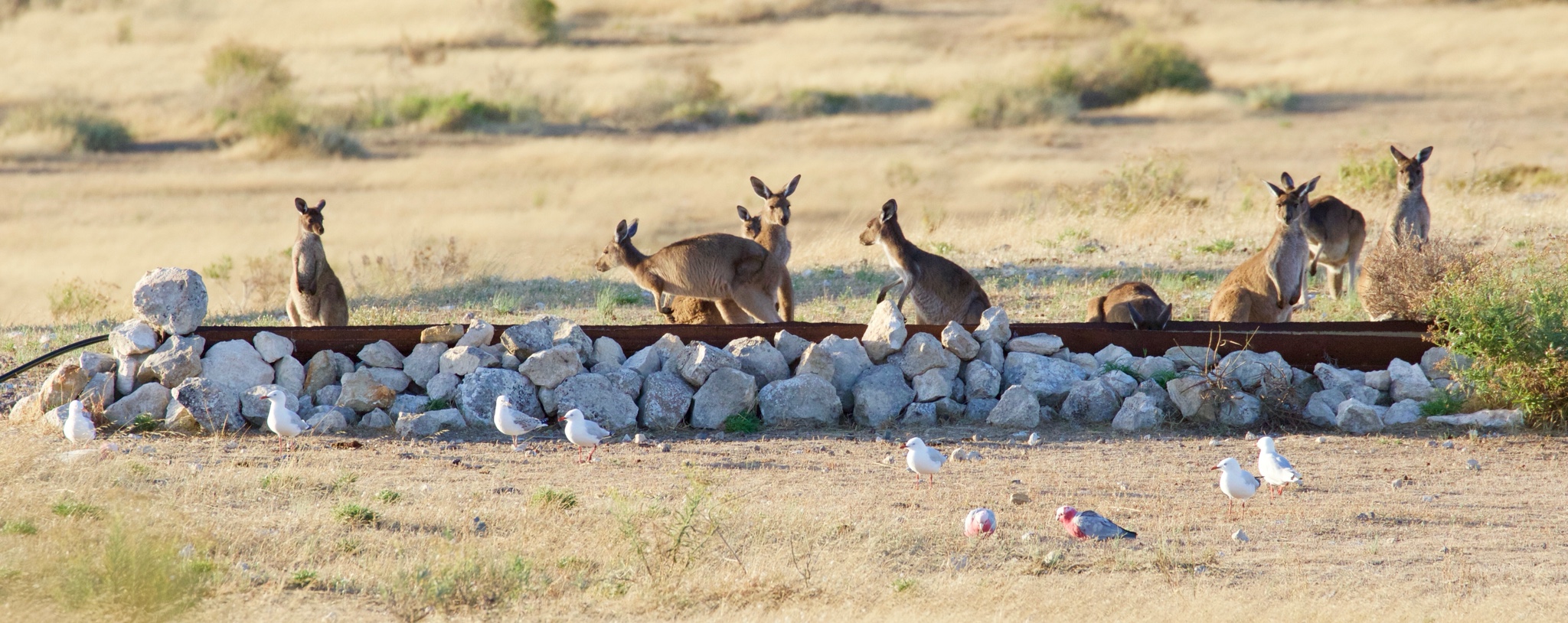
Almonta locals out for an evening drink
As a Christmas treat to ourselves, we stayed in a fabulously designed lodge, Almonta Park, that is set on 5500 acres in the hills between Coffin Bay National Park and Kellidie Conservation Park. It afforded amazing panoramic views of the Marble Range to the majestic sandhills of the National Park and was full of kangaroos and bird life. It made Christmas feel rather special, reinforced by the full turkey roast thing! Our days seemed pretty lazy: exploring the National Park, expanding our fishing prowess to include King George Whiting and Salmon, and enjoying the famous oysters in the local restaurant. It was very hard to pack up and go!
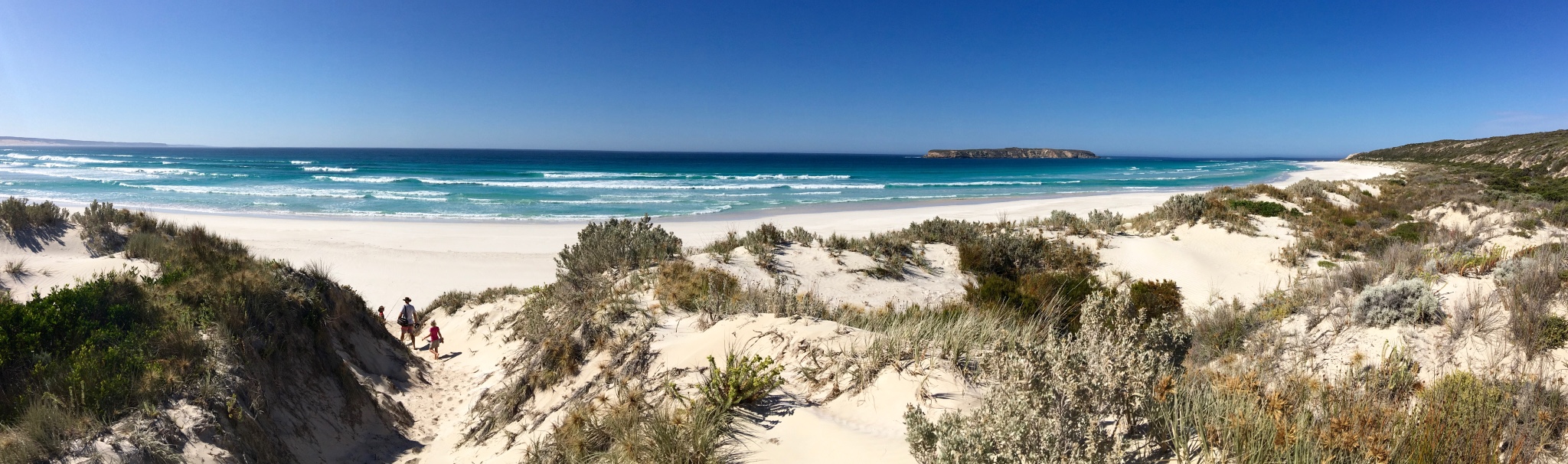
Spot us going for a fish on Almonta Beach

Overcrowded fishing spot... closing bait
The next leg took us out of the Eyre Peninsula and up over the apex of the Spencer Gulf and BACK to Port Augusta. This is the first time on our trip we have revisited a town. We had passed through Port Augusta almost exactly six months ago on the 24th June when we travelled from Broken Hill to Coober Pedy. It felt like a sad milestone, a reminder that the end is near. However, we did revel in how naive we were back then as I confidently manoeuvred the car and van into a tight spot, and we sat in the car not really knowing exactly where we were going to spend the night. This is not something that we would have entertained early on… all of the first 2 months were planned in advance!

Back to bush camping... can you smell the eucalyptus

More locals... Stayed well clear of this one.
We got as far as Stony Creek Bush Camp near Wilmington, a small town at the southern end of the Flinders Ranges. We ended up staying two nights in idyllic bush (except for the brown snake) and foregoing our plans to visit the Barossa Valley to get a little taste of the area. It was very quaint, full of small towns (in the Australian sense where town would be best described as small rural village in Europe) full of historic buildings surrounded by massive expanses of farming land, framed by the striking Flinders Range. It felt like the sort of place you would spend your winter weekend bush walking or cycling, and then indulge in one of the many boutique food stores, cafes, or pub meals and follow it up with the big breakfast the next day.
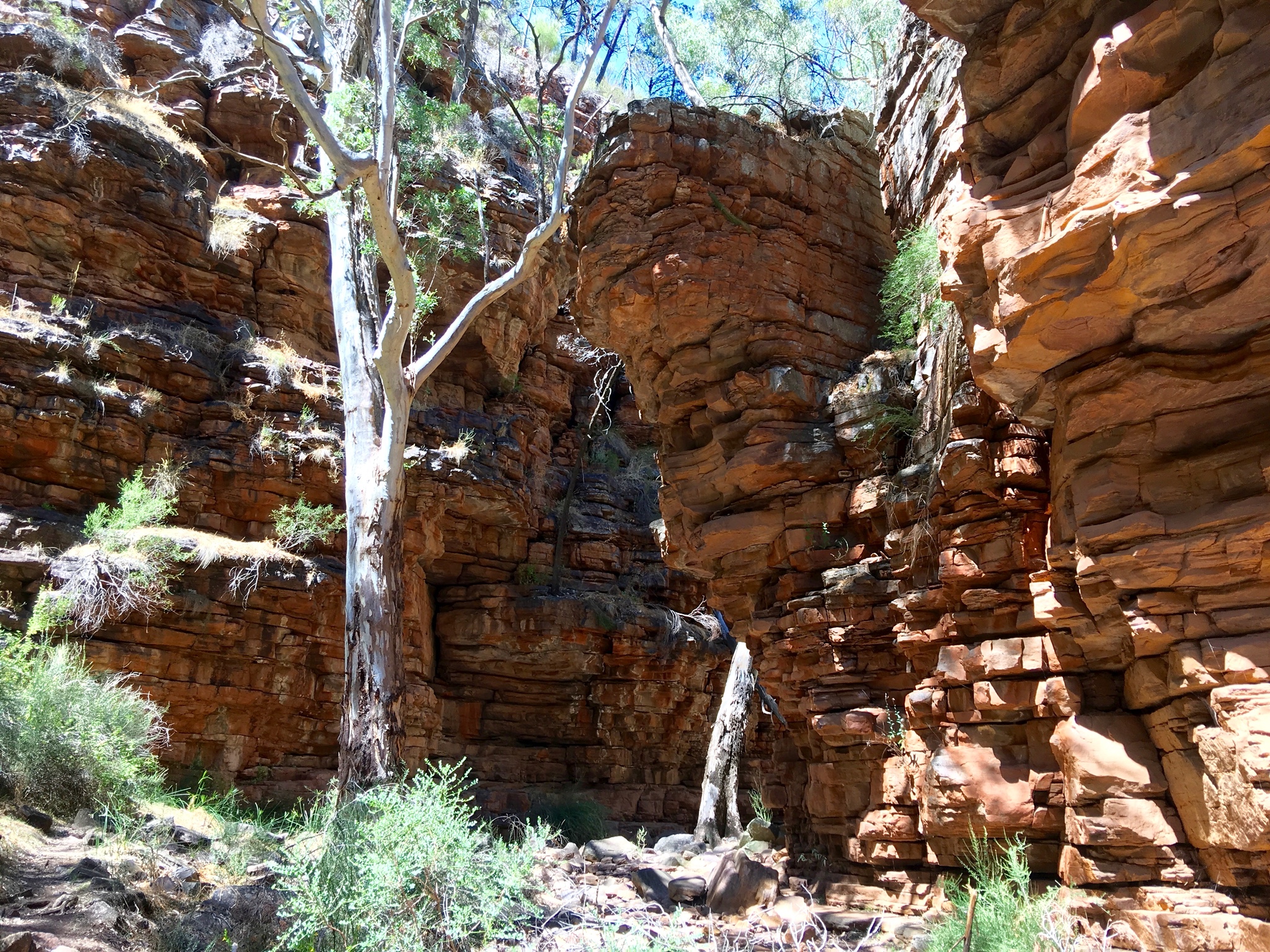
Alligator Gorge, Remarkables NP
We explored the parks and lookouts by car and foot. It was probably a little hot at this time of the year, and the kids eventually mutinied. Quote a fluorescent faced Holly half way up the 490m high Marie Hill lookout, “I am not walking again until 31st of December 2016!”.
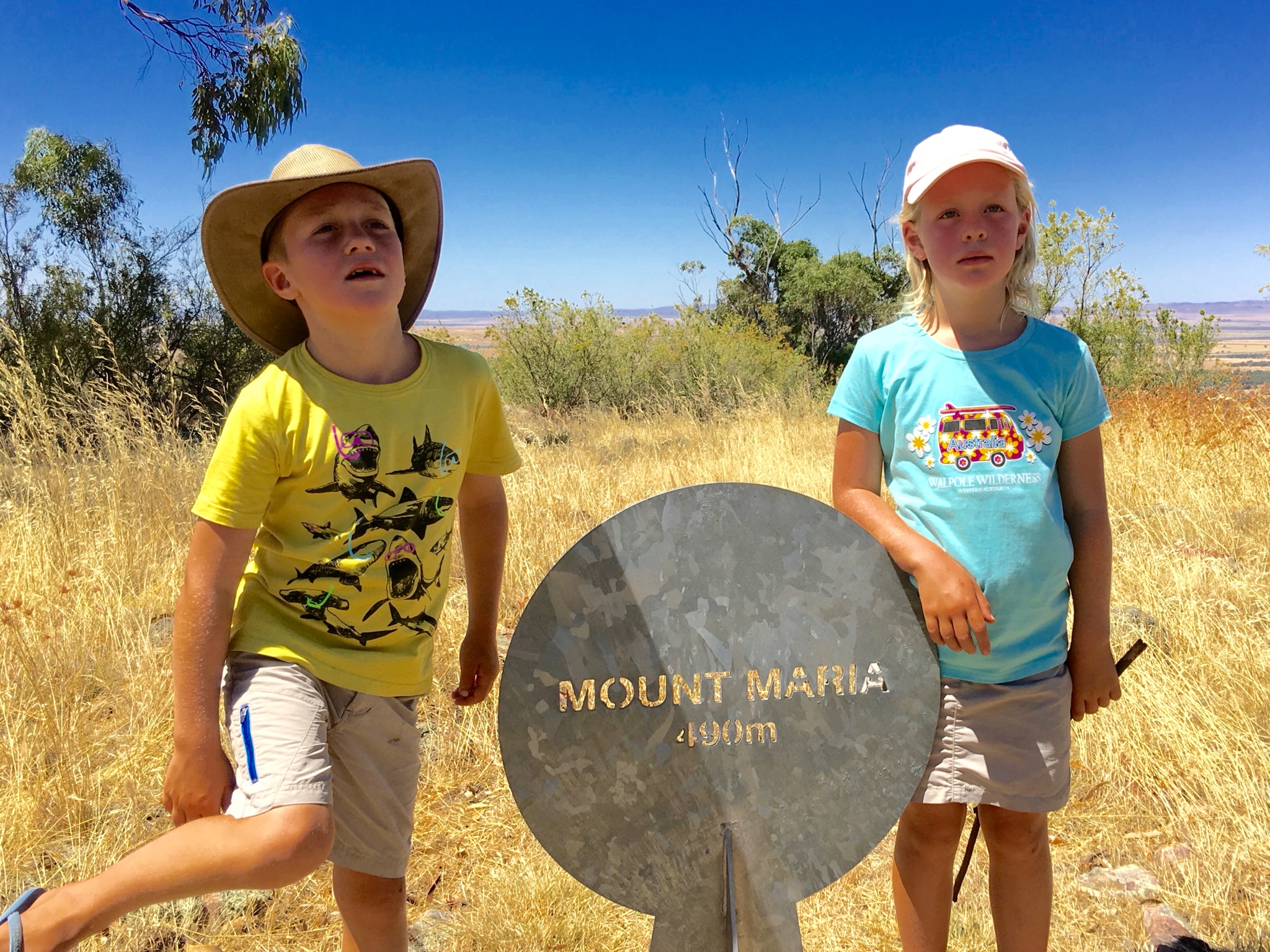
Overheated kids... NO MORE WALKING!!
Our last stop on the way to the Great Ocean Road in Victoria was at Cockatoo Downs Farmstay. Once again we where the only people in a pretty amazing, but hot, campsite. We enjoyed the farm tour and feeding the next morning. I suspect the animals on the farm were for there campers (camel called Camilla, deer, water buffalo, and lots of little baby things) as the main farm business was growing Lucerne (Alfalfa). I had never even heard of Lucerne, but this area around the town of Keith in South Australia and California are the two main growing areas in the world. It is a high protein feed for livestock and a trendy food for people! It is a pretty incredible operation, flood irrigation from the farms bore (1 million litres per hour) to laser levelled fields with a 5% gradient. We were told the yields and income and have instantly forgotten, but were pretty impressed with the figures when the weather obliged.
I have made a Google Map of our trip. It is a work in progress, I will keep adding more and updating as I figure it all out.

Not a typical farm animal... but fun to feed.
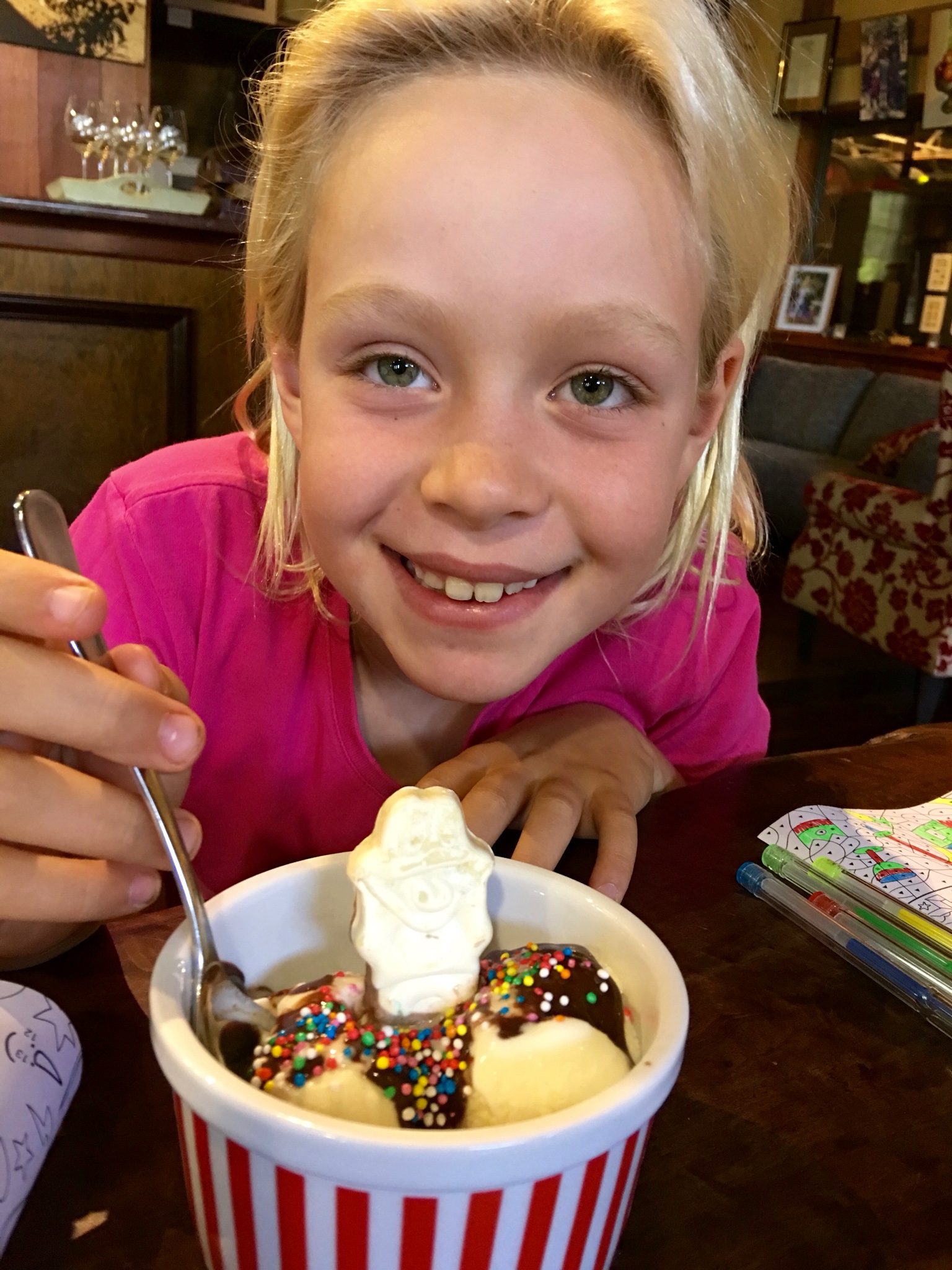
Lunch in the Barossa on the way to Farmstay
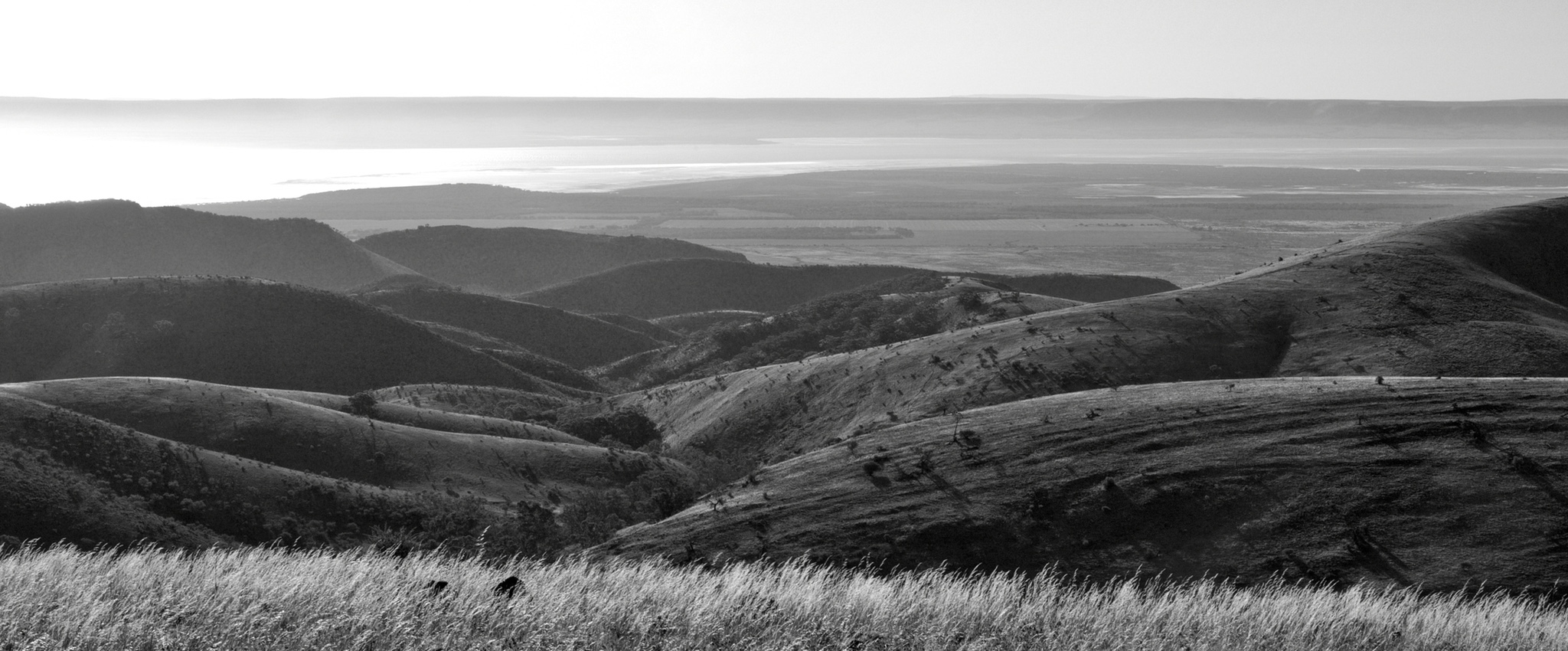
Spencer Gulf across the Flinders Ranges
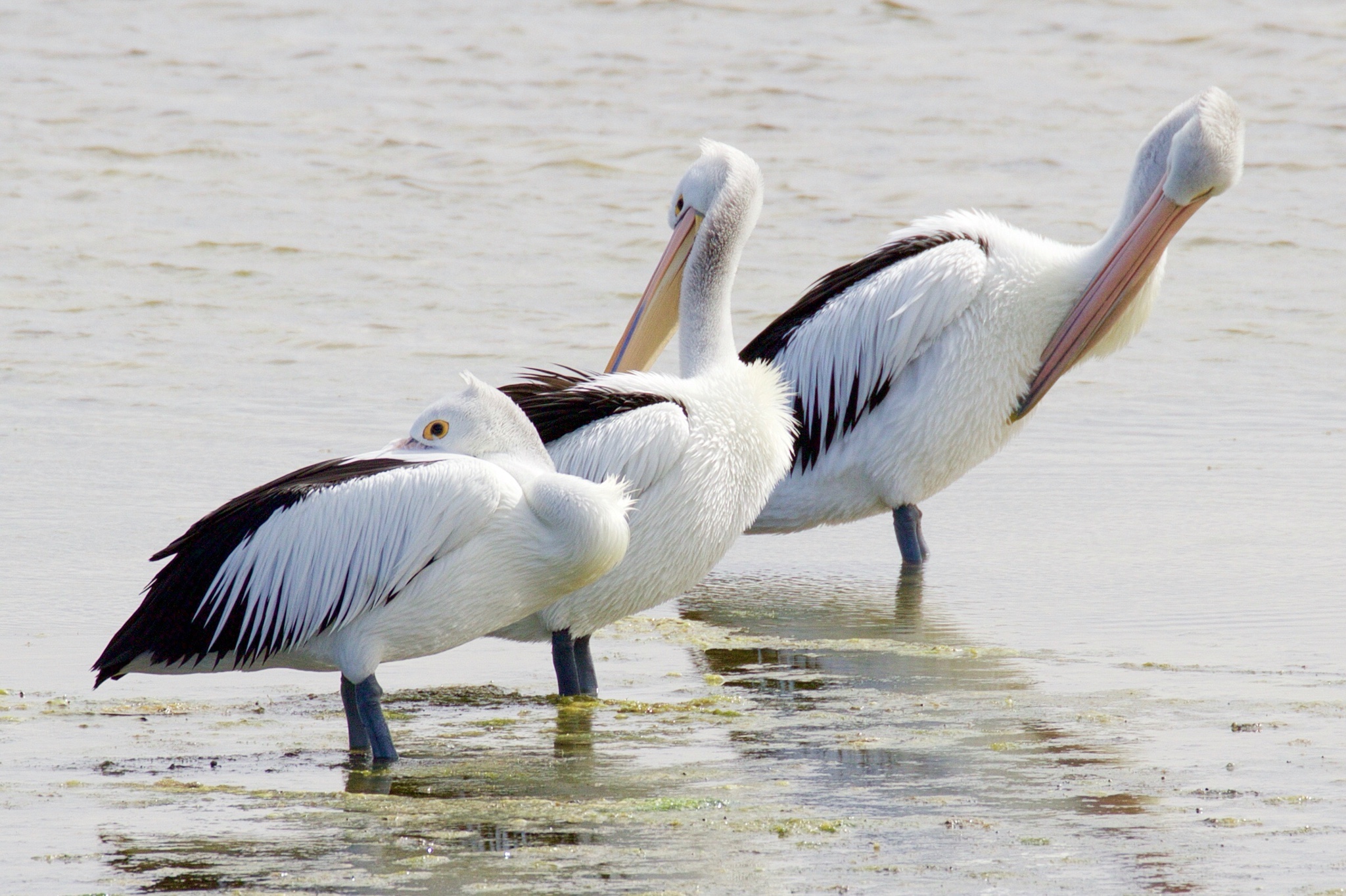
Venus Bay locals
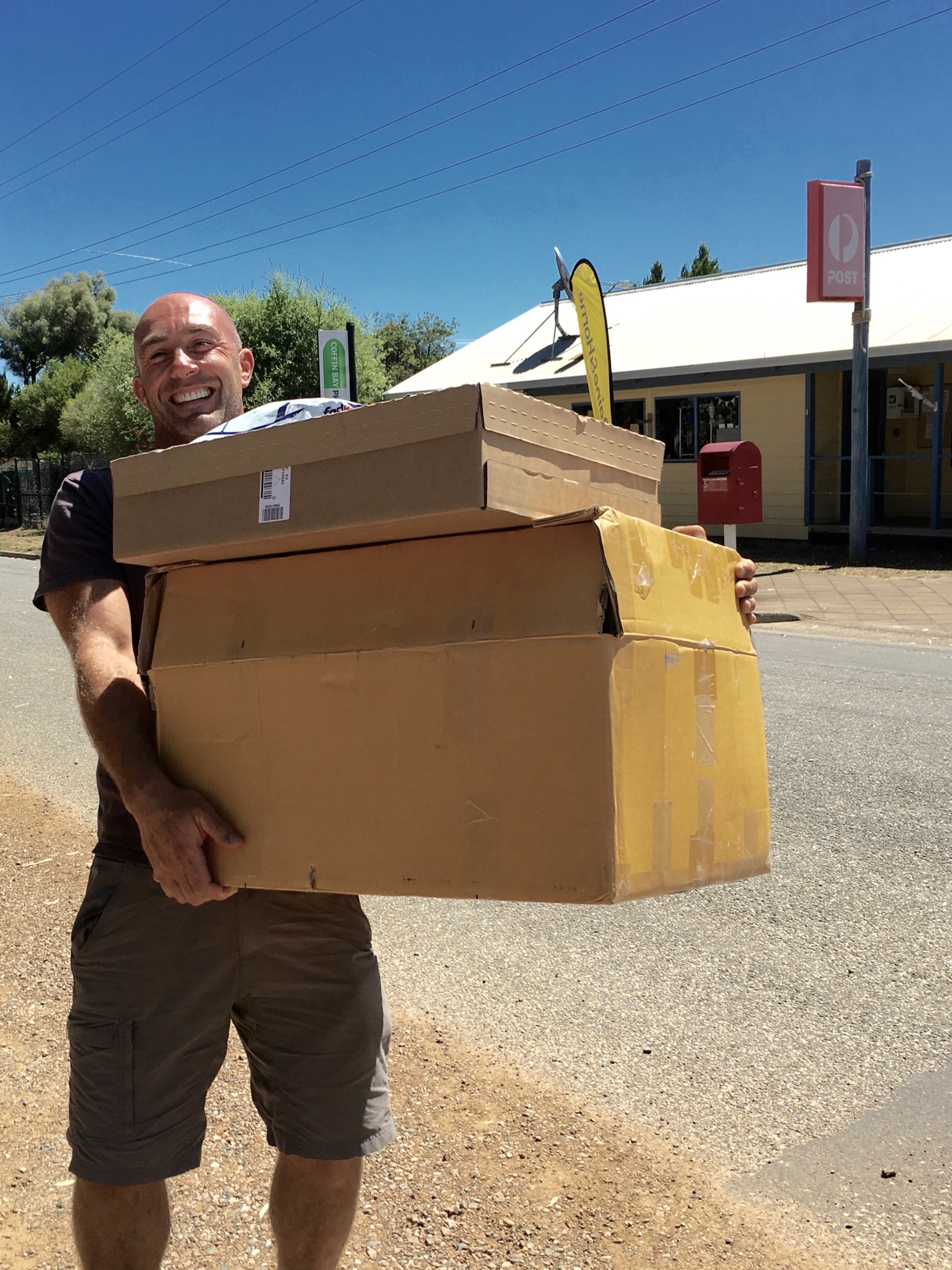
Picking up Christmas Presents from the Coffin Bay post office
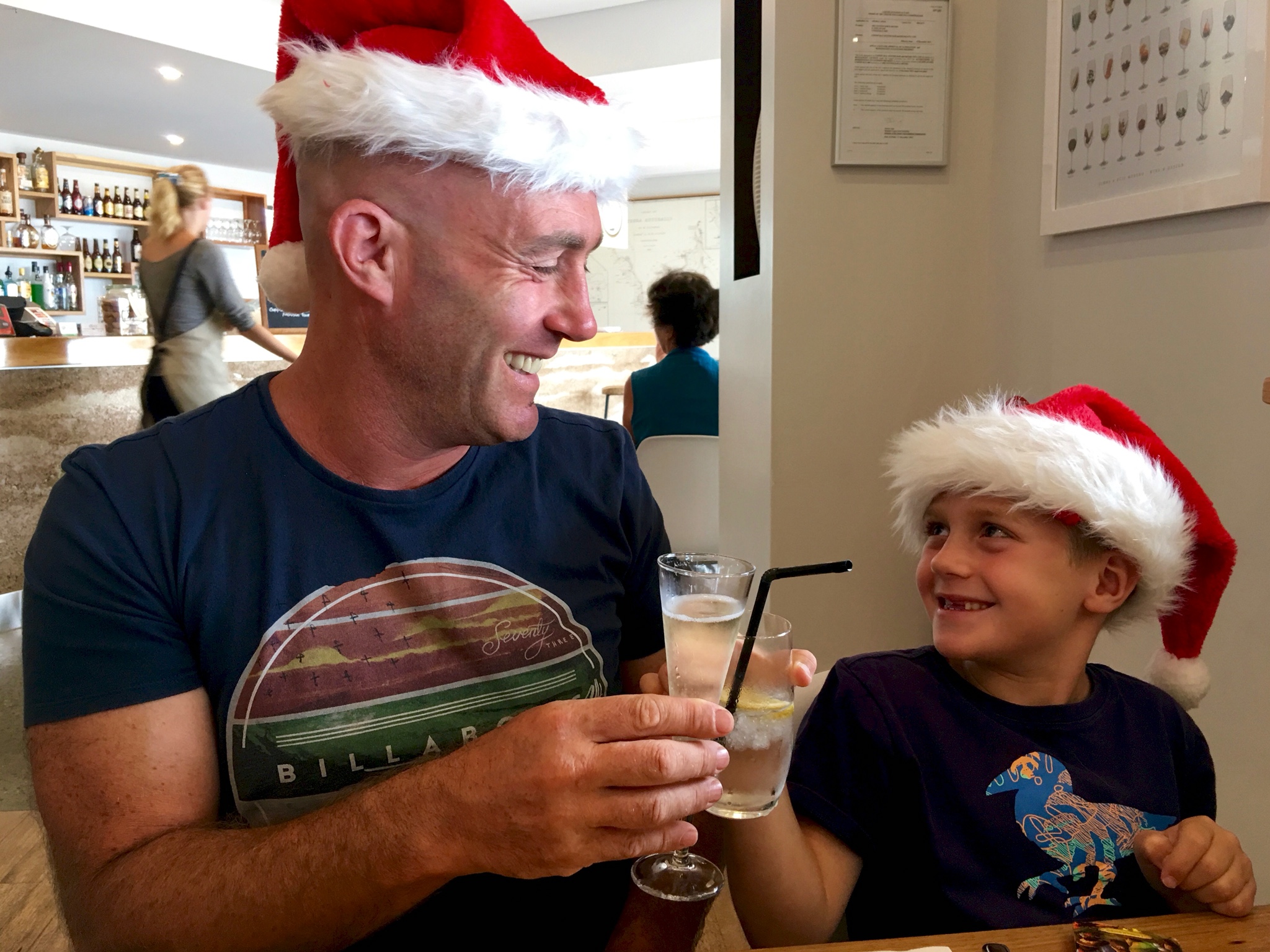
Cheers mini me!
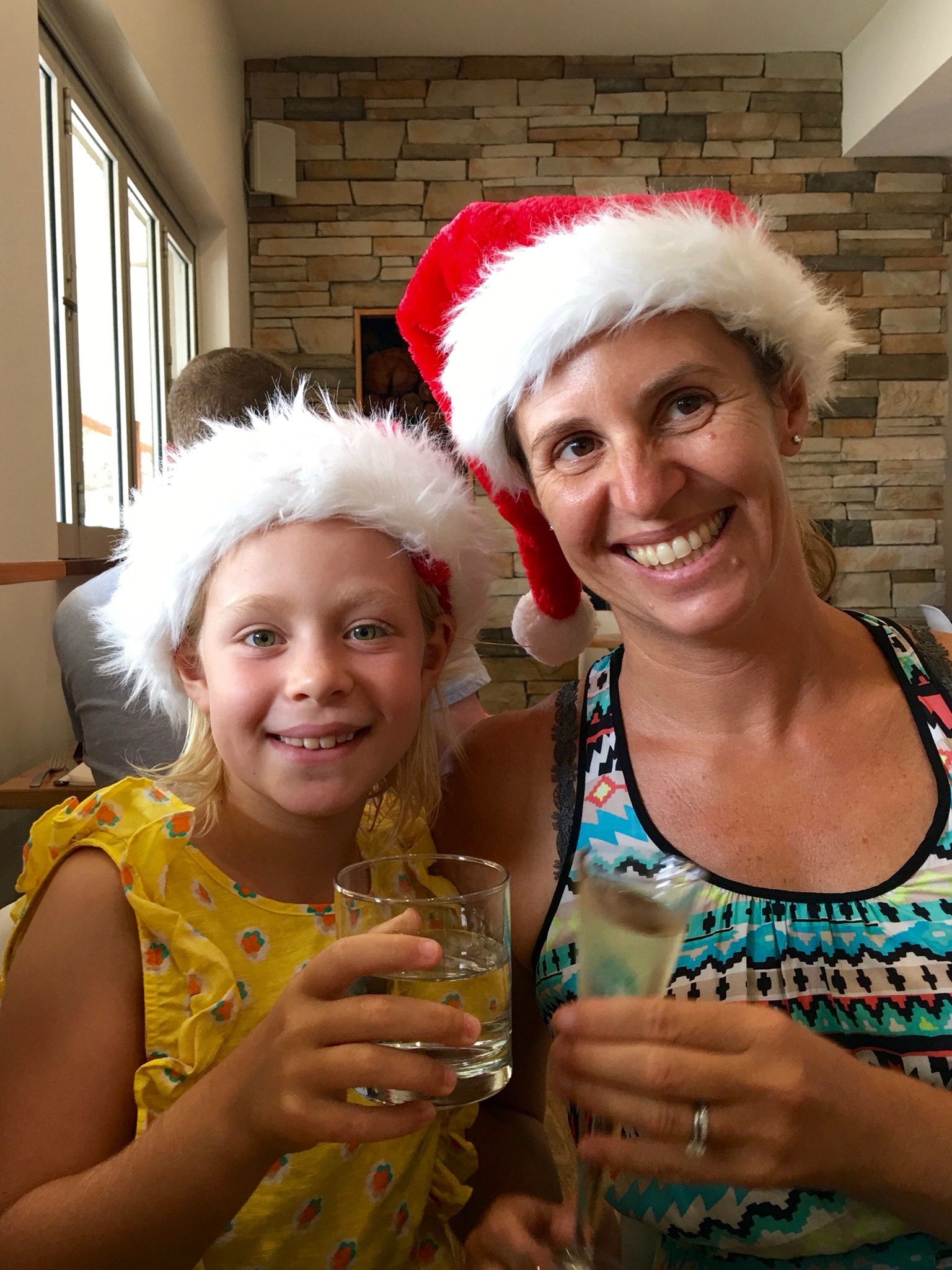
Christmas cheer
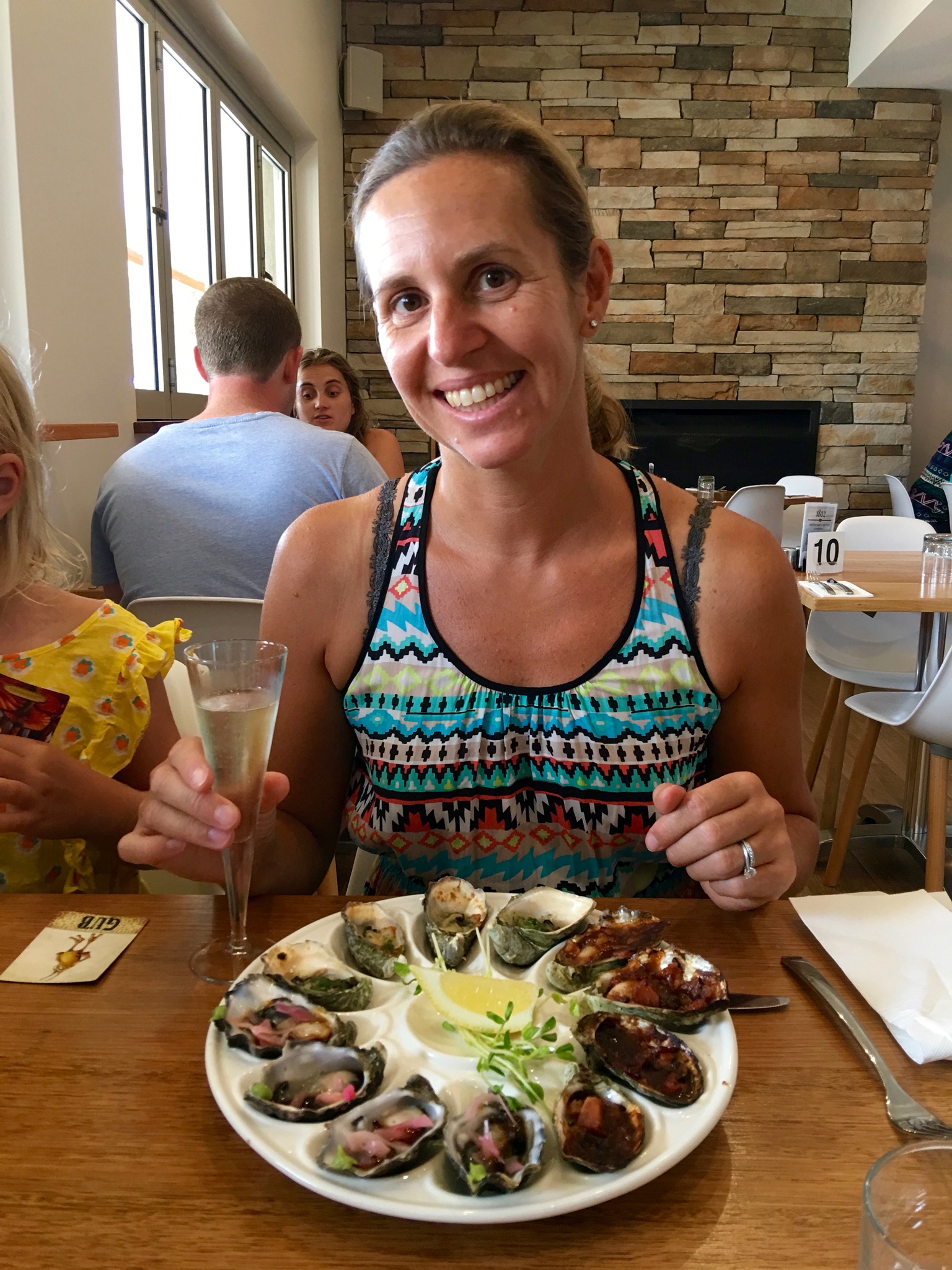
Coffin Bay Oysters
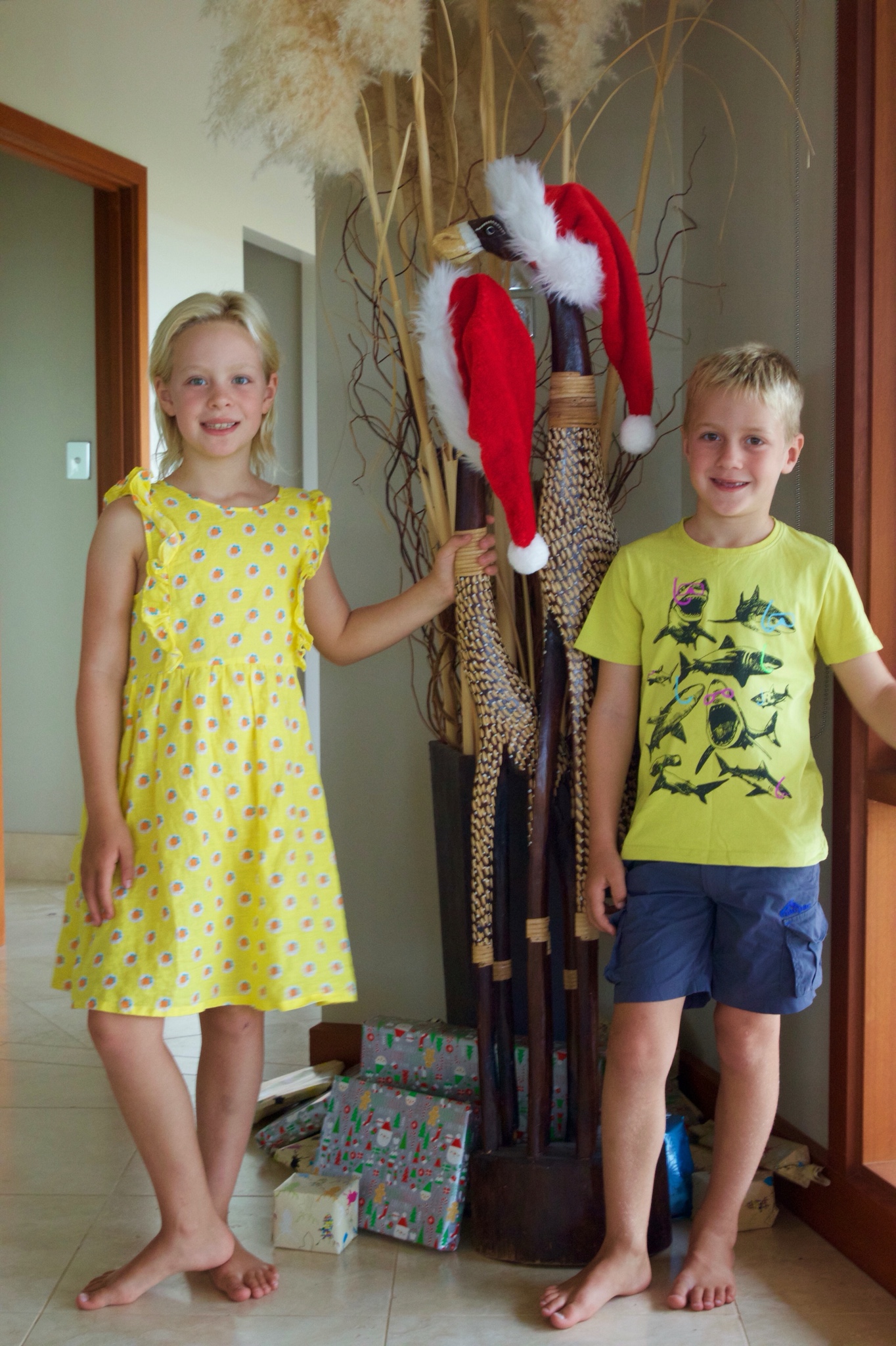
Christmas tree on the road

Chocolate for me... Perfect!
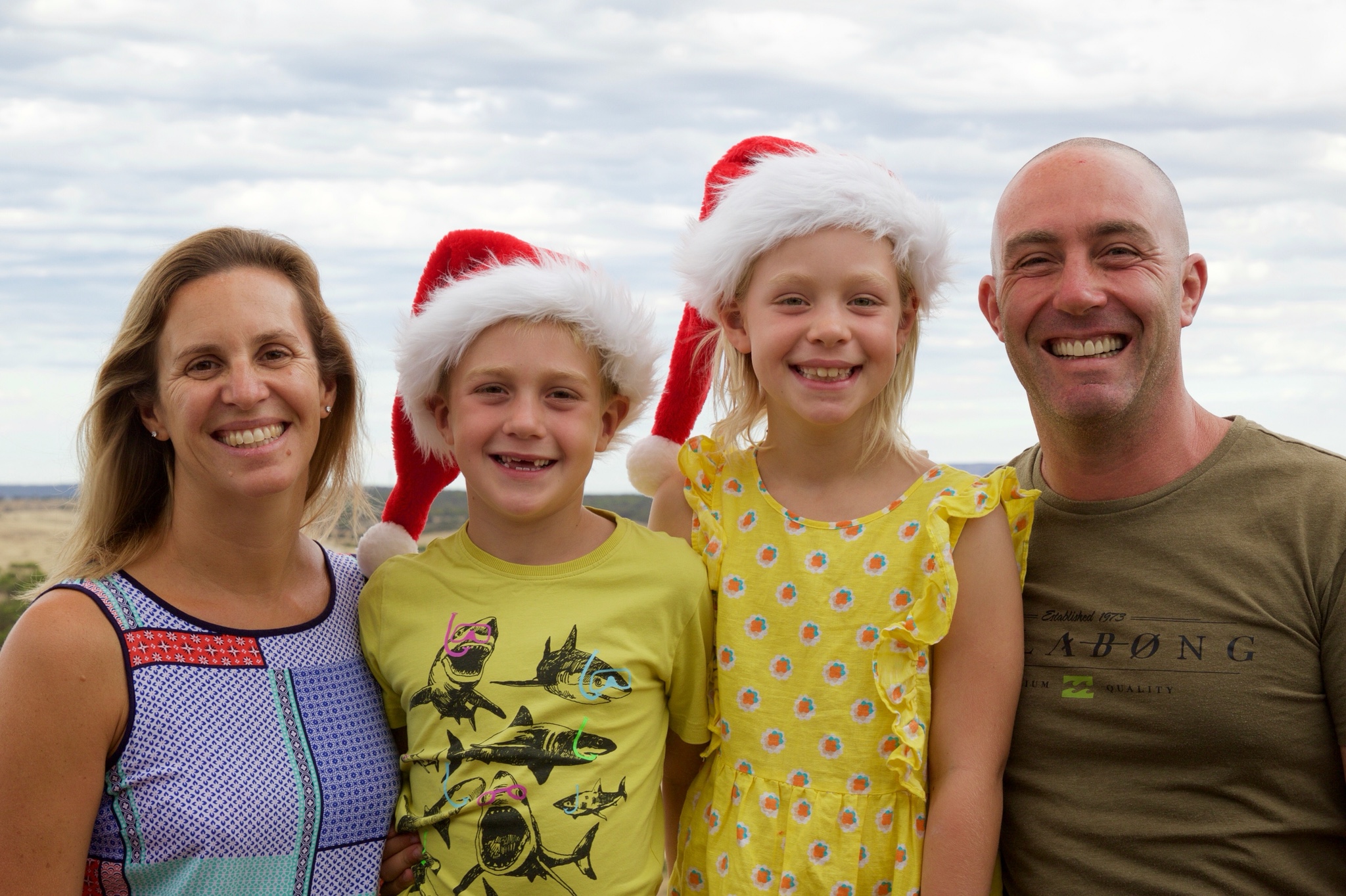
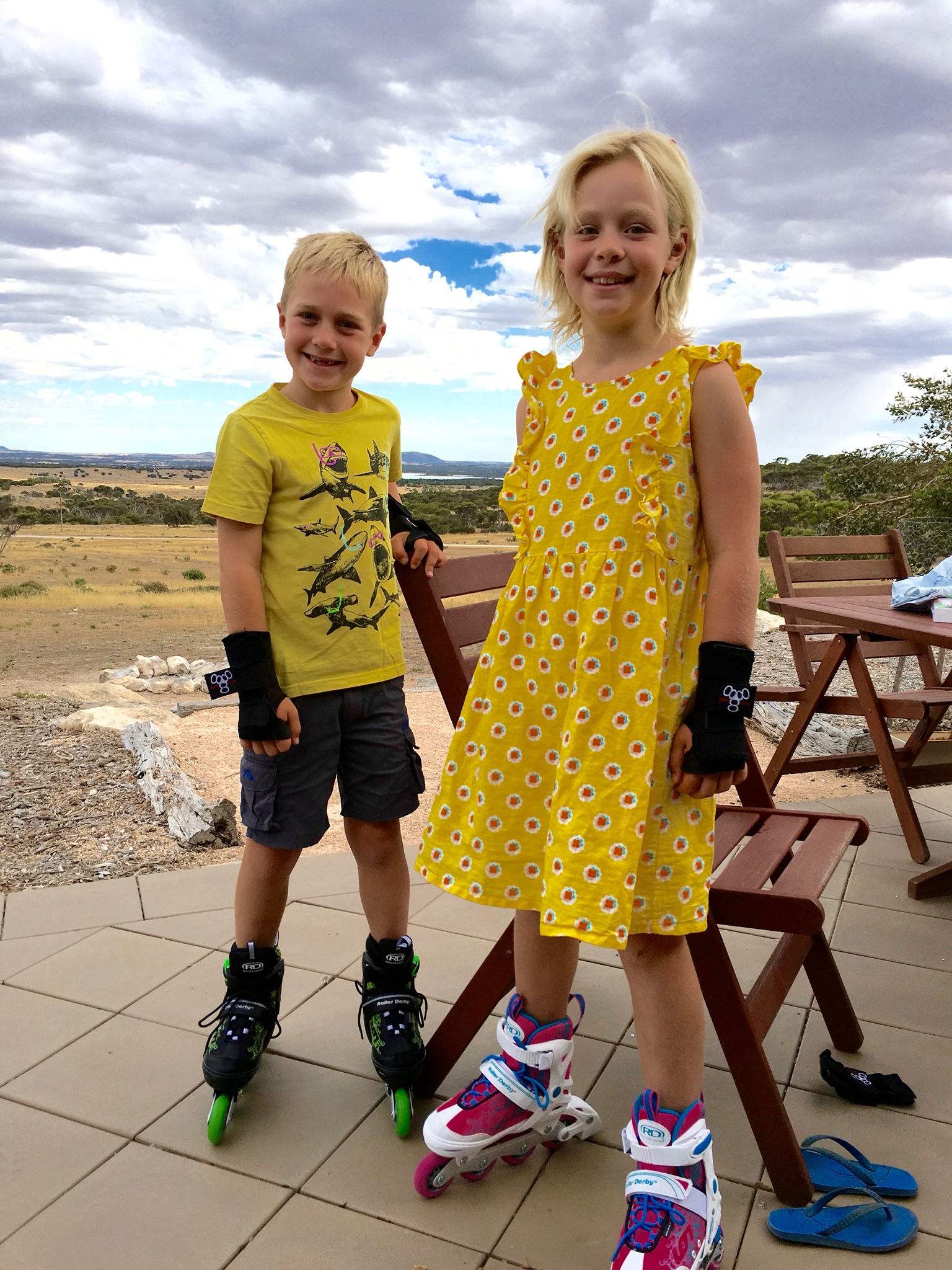
Delivery from the UK, a real hit, thanks G&G!
 Posted with Blogsy


 Chasefloow Around Oz
You all look so happy and relaxed, “Happy new Year”. Xxx. Bit different to Ireland.
LikeLike